80 years of
Museums in Motion: ICOM 80 Years is a three-part digital anniversary exhibition unfolding across 2026.
The digital exhibition marks ICOM’s 80th Anniversary by exploring how the organisation—and the global museum sector—has evolved over eight decades. It combines historical reflection, datadriven storytelling, and forwardlooking perspectives, showcasing ICOM’s transformative role as a global network and its relevance in shaping the future of museums.
The exhibition is structured into three thematic chapters, each highlighting a different dimension of ICOM’s impact. The first chapter launched on the opening day of the Annual Meetings; the second chapter launched in October and the third will be launched in November; celebrating the anniversary date 16th of November.
Chapter 2 – Partnerships and Collaborations: Shaping the Future of Museums
Introduction
Today, the International Council of Museums (ICOM) unites more than 67,000 members across 137 countries and territories, with 121 National Committees, 35 International Committees, 7 Regional Alliances and 22 affiliated organisations, making it the largest organisation of museums and museum professionals around the world. What began as a small group of dedicated professionals in 1946 has evolved into a vast global network.
From its post-war European and North American foundations, ICOM progressively expanded into a genuinely global organisation, shaped by shifting geopolitical contexts, decolonisation processes, and the growing diversity of museum practices worldwide.
How did we get here? This opening chapter outlines eight decades of collective endeavour, shaped by the enduring ideal of fostering international cooperation among museums and cultural institutions, bringing professionals together across geographic and disciplinary boundaries.
ICOM entered its first phase of expansion around 1948, growing from 367 members at its 1st General Conference in France to 2,793 members by 1968, the year of its 8th General Conference in Germany. The period 1968–1977 aligned with broader processes of cultural opening and widening access to museum practices following the events of 1968. The 1980s marked a period of institutional consolidation, highlighted by the adoption in 1986 of the first Code of Ethics, now a key reference extending beyond the organisation itself and continually updated ICOM’s growth reflects both quantitative expansion and qualitative change.
Membership continued to rise during the era of digital transformation and increasing global interconnectedness, from 14,521 members in 2000 to 27,604 in 2010, reaching 67,476 in 2025.
Drawing on archival materials—including congress documents, photographs, founding texts, early committee reports, and historic resolutions—this chapter traces key moments in ICOM’s history and highlights the actors who made them possible. Above all, it is a story of people: committed members, volunteers, and museum professionals dedicated to advancing global outreach, cross-border collaboration, and the exchange of expertise in the museum sector.
Across the broader landscape of 20th and 21st centuries international cultural dialogue, ICOM’s history reflects both the professionalisation and democratisation of the museum field. This chapter therefore highlights the major shifts that have shaped its global community.
We invite you to explore this first chapter and discover how, indeed, museums have no borders, they have a network.
“it is significant of a new spirit in the world – a spirit, a desire upon the part of the peoples of the world for closer international cooperation founded upon a more sympathetic mutual understanding of one another’s cultural backgrounds and a growing appreciation that our developing common civilisation cannot afford to neglect or lose the valuable gifts that each nation and each people have to contribute to our common heritage”
Membership Growth
Today, membership figures are often used to assess an organisation’s development, and ICOM has experienced steady growth over time. However, the original Constitution limited each National Committee to a maximum of 15 members, explicitly preventing expansion within committees. This restriction was lifted in the early 1970s following a revision of the Statutes, leading to a significant increase in global membership. By contrast, under the 2017 Statutes, a National Committee must now have a minimum of eight members in order to be officially recognised.
Expanded Network: Beyond Western Europe and North America
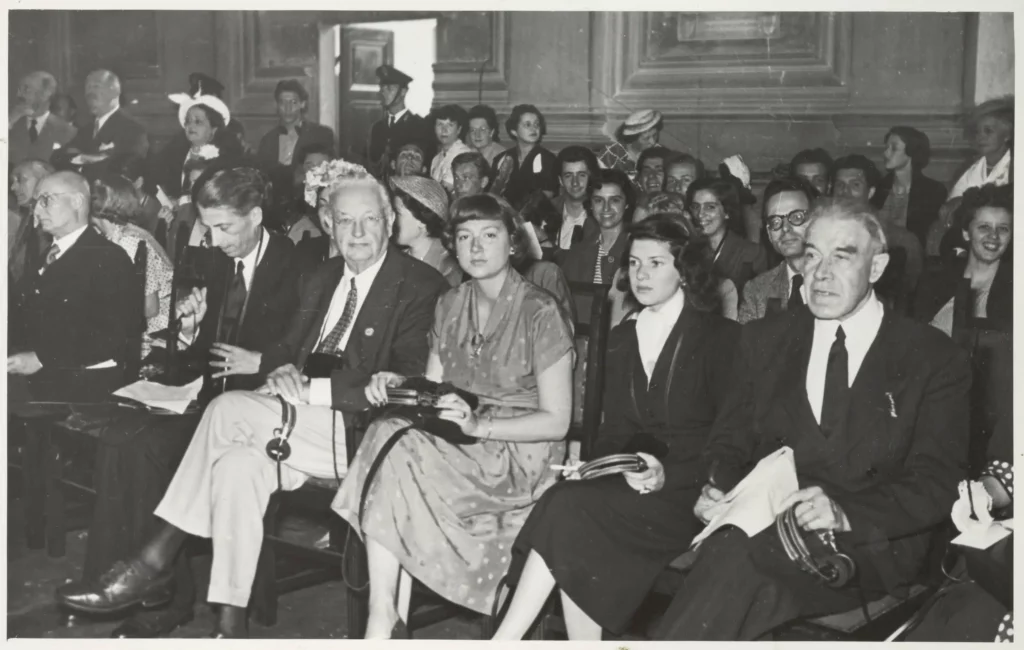
Officially created in November 1946 in Paris, France, at the initiative of Chauncey J. Hamlin (USA), the International Council of Museums (ICOM) was initially anchored between Europe and North America. This early geography mirrors post‑war political stability, strong museum infrastructures, and existing international networks. At this stage, ICOM national committees functioned mainly in industrialised democracies, with limited global reach.
Representatives from All Parts of the World
At the Constitutive Assembly, fourteen countries were represented, with Brazil being the only one from outside Europe and North America. From the outset, however, ICOM aimed to broaden its reach beyond these regions, with the intention of including representatives from all parts of the world.
As early as 1947, Chauncey J. Hamlin declared that “The doors of our organisation are and have been wide open to welcome amongst our ranks the museum leaders in all the nations of the world, and as our work progresses and as we proceed to establish its usefulness and value, it is to be anticipated that the museums in the few countries which have not as yet organised themselves to participate in our work, will take steps to do so and join with us in the work we have already at hand and are planning to undertake in the future.” From the late 1940s into the 1950s, the ICOM network expanded beyond its initial core.
This expansion was already visible at the very first General Conference in 1948, when fifty-three countries from all five continents were represented. ICOM also developed as a rare cultural bridge across Cold War blocs as museum diplomacy provided relatively neutral ground for East–West participation. Reflecting on his years at ICOM in the 1960s and 1970s, Hugues de Varine-Bohan remembers in this way: “I witnessed […] the maintenance of cooperative relations and frequent, relatively easy exchanges between museums in the East and those in the West […] Apart from a few visa or currency difficulties from time to time, it can be said that, at ICOM, the Iron Curtain did not prevent professional work from continuing.” (Mon passage à l’ICOM 1962-1974, 2017, p.21).
From Eurocentrism to Postcolonial Perspectives
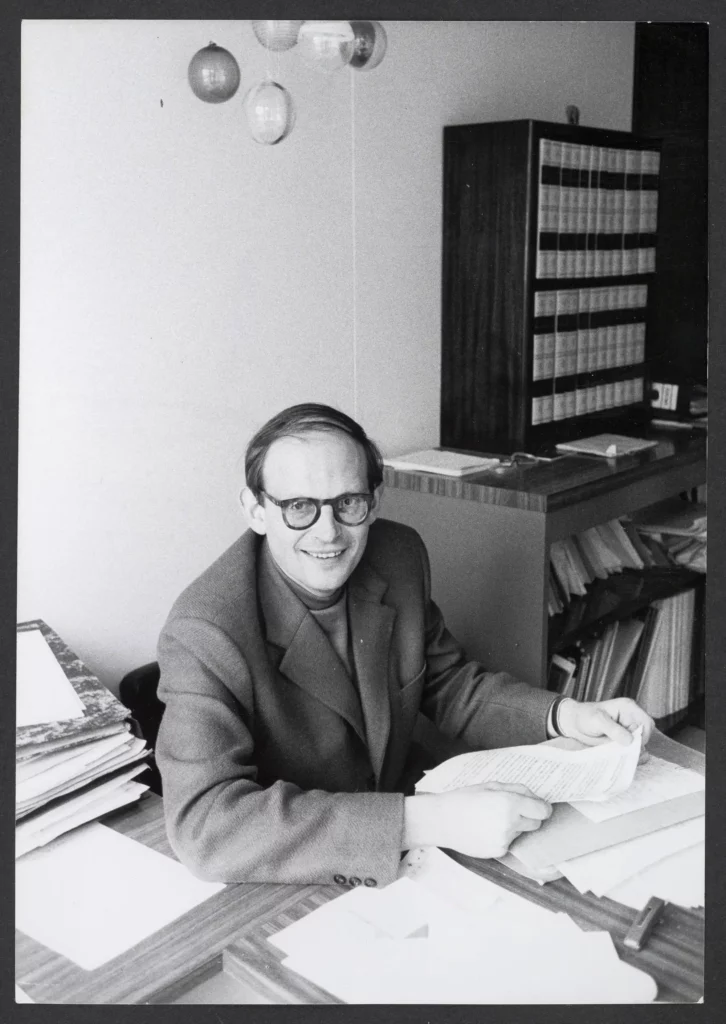
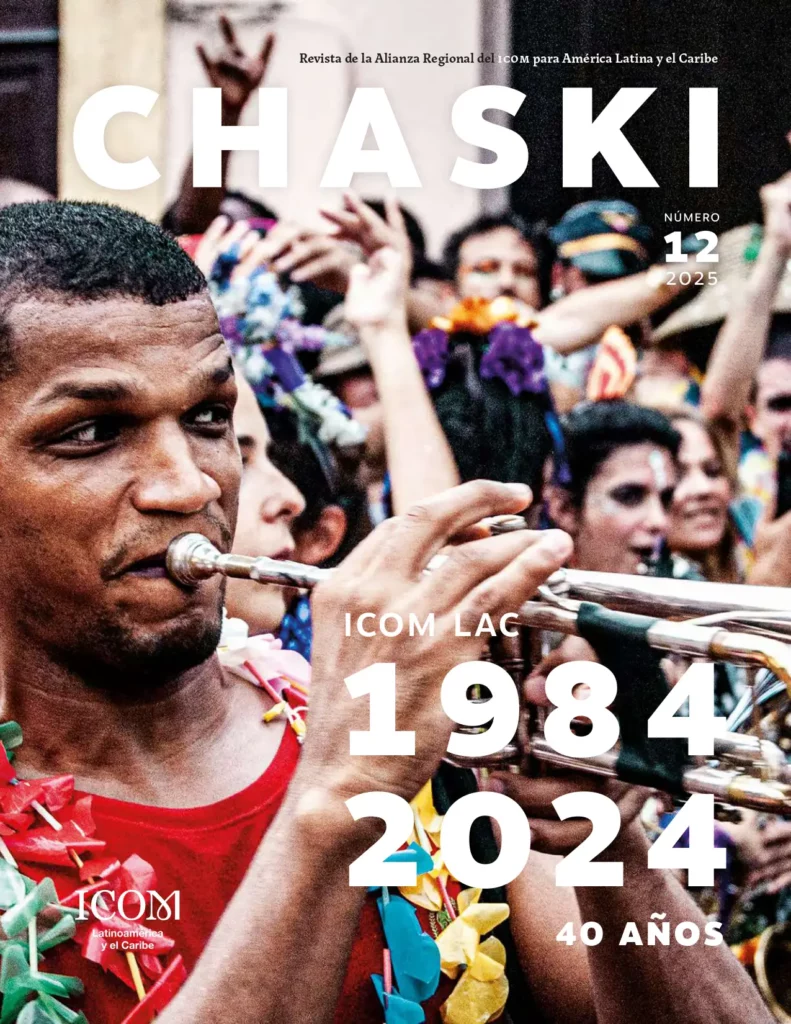
The 1960s and early 1970s marked a decisive shift from Eurocentric expansion to post-colonial globalisation. This phase reflected the rise of national cultural institutions in newly independent states. In the 1960’s, even before the creation of a national committee in some countries, ICOM’s director Hugues de Varine-Bohan undertook extensive travels across several regions (South and South-East Asia in 1966, Latin America in 1967, Tropical Africa in 1968, among others) to acquire information on the state of museums and to discuss the possibilities for ICOM actions in those places. As a result of such trips, de Varine-Bohan consistently recommended the creation of regional agencies and emphasised the relevance of cooperation within regional alliances.
During the 1970’s, Latin American countries became increasingly prominent, particularly in museology, leading to a better global understanding of the specific challenges faced by museums in the region. As a recognition of such representation and historical contribution, Spanish later became ICOM’s third official language in 2001, alongside French and English. This major decision highlighted the importance of language for mutual understanding and cultural diversity.
National Committees on Every Continent
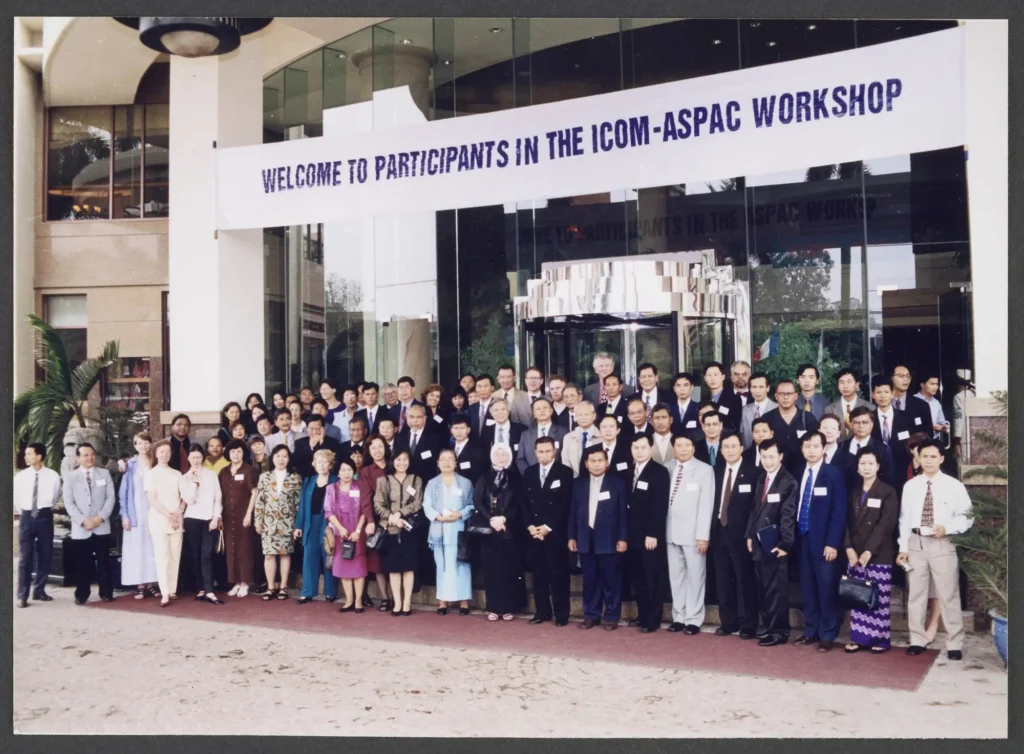
The 1990s marked a period of major growth and reconfiguration for ICOM, as new national committees were created or re-created following political transitions, particularly in Central and Eastern Europe, Africa, and parts of Asia. This expansion was accompanied by a symbolic shift towards more balanced global leadership. This decade consolidated ICOM’s transformation into a truly international organisation, no longer dominated by Europe and North America, but increasingly shaped by post-colonial and post-Cold War contexts.
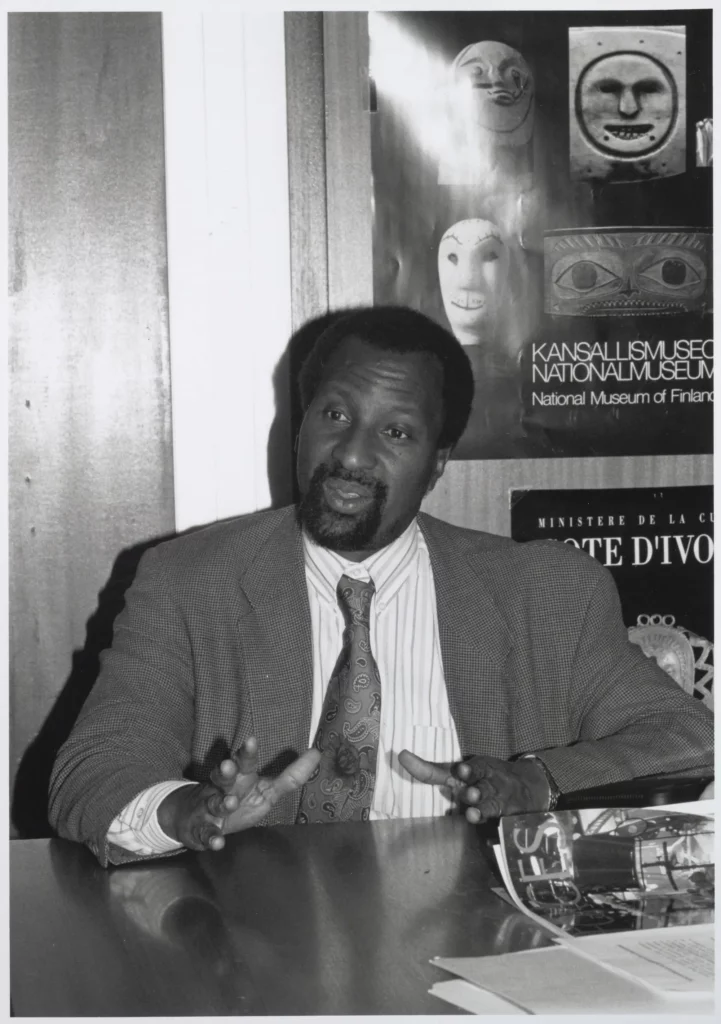
In 1989, Alpha Oumar Konaré (Mali) became the first President of ICOM from Africa, succeeding Geoffrey Lewis (UK) as the organisation’s eighth President. Following him, in 1992, Saroj Ghose (India) became the first President of ICOM from an Asian country. The first President from Latin America and Caribbean region was Alissandra Cummins (Barbados) in 2004, who was also the organisation’s first female President.
This global expansion of the ICOM network materialised by the gradual creation of national committees on every continent. In the 2000s, expansion slowed and stabilised, with an emphasis on recognition and governance, illustrated by leadership from Latin America and structural decisions such as the already mentioned adoption of Spanish as ICOM’s third official language.
The development of ICOM national committees thus reflects a layered history: post-war Western foundations, Cold War bridging, post-colonial expansion, post-1989 reconfiguration, and contemporary symbolic consolidation within a near-global network.
Adapting to contemporary challenges
From the 2010s onward, ICOM entered a phase focused on consolidation and relevance in rapidly changing global communities. This period was marked by efforts to strengthen governance, address ethical, social, and political questions affecting museums, and support regions where national committees faced fragility or needed support to reestablish themselves
Up to the present, ICOM’s global network has continued to evolve symbolically and selectively, with new or revived national committees reflecting ongoing debates around cultural sovereignty, professional standards, and the role of museums in society.
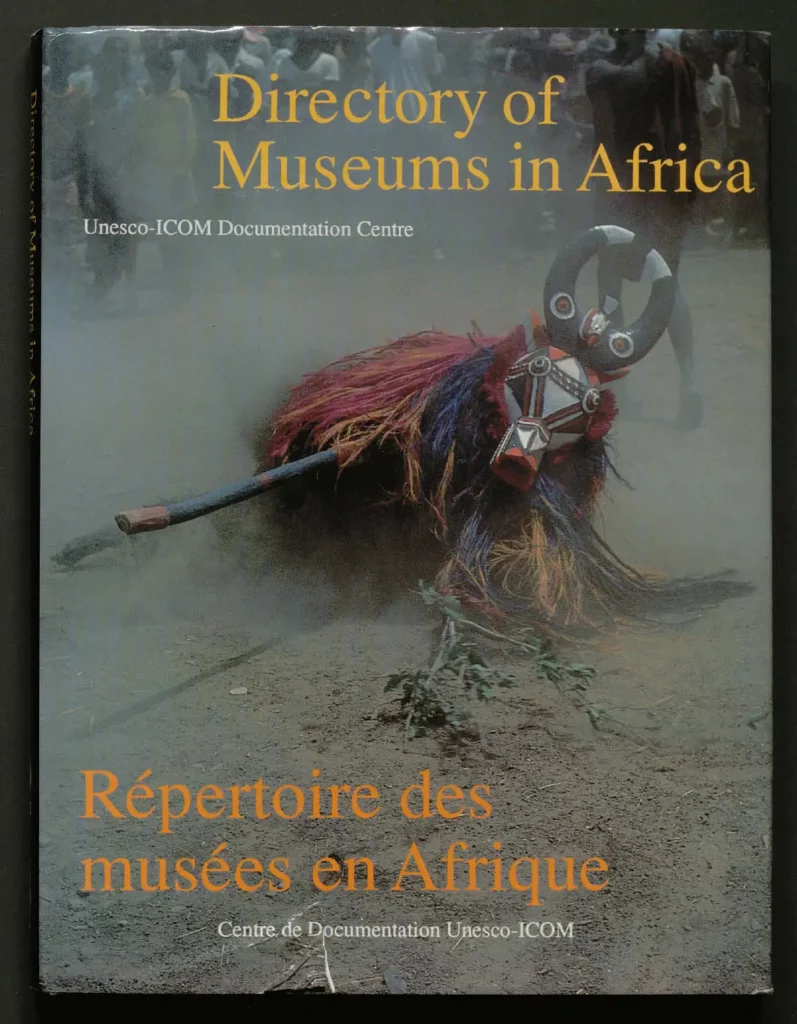
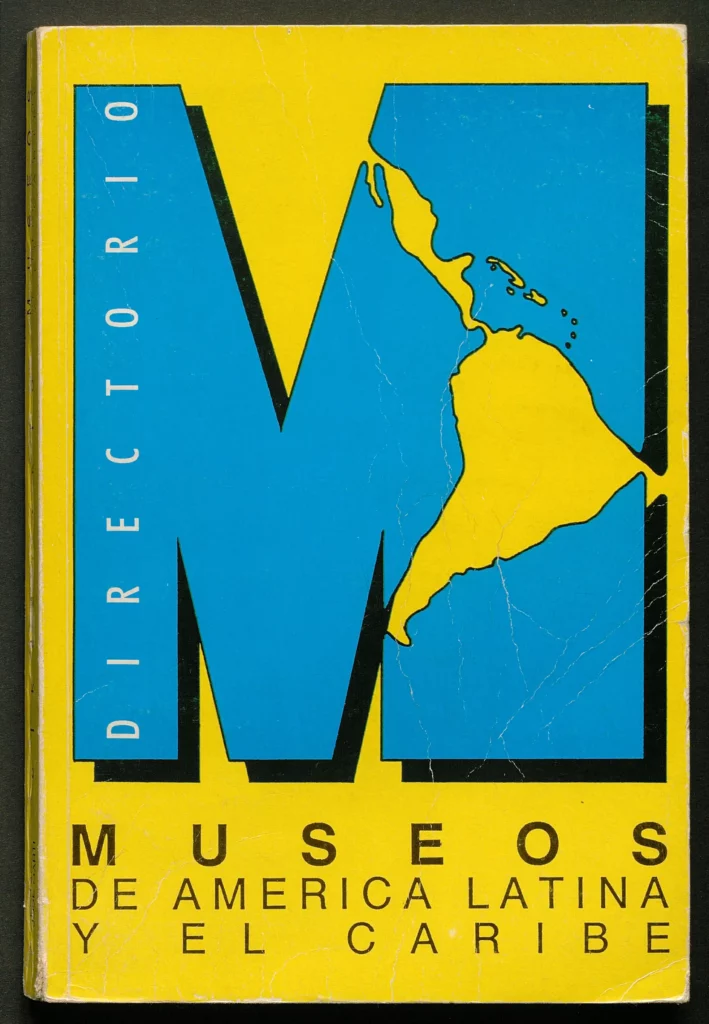
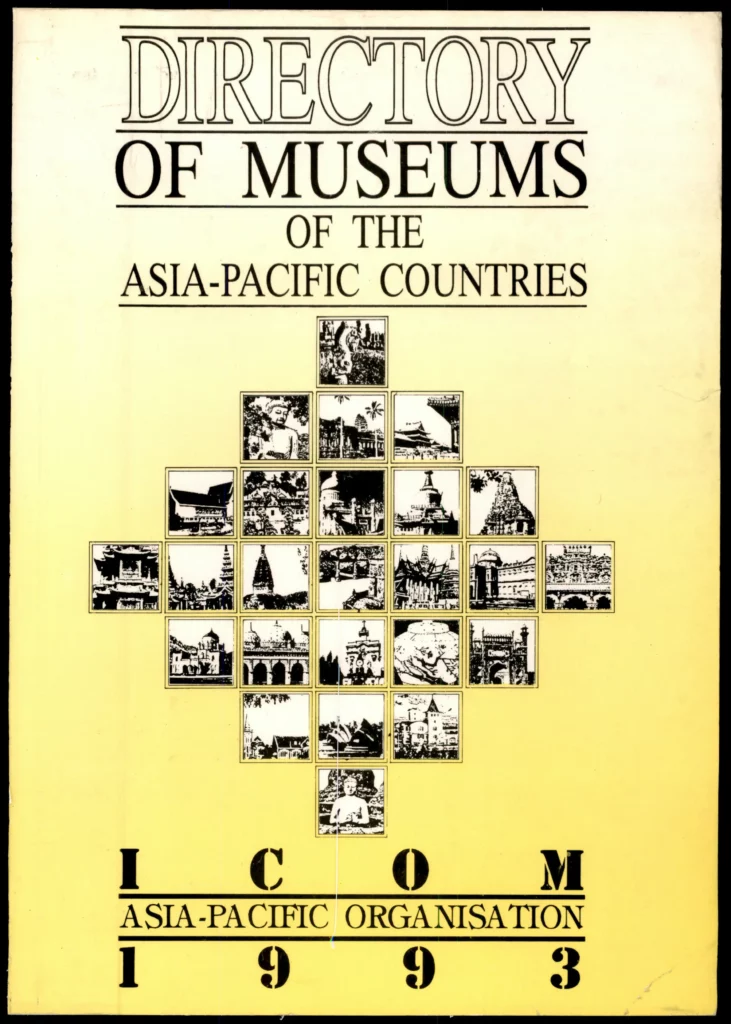
Archival Documents – Expanded Network
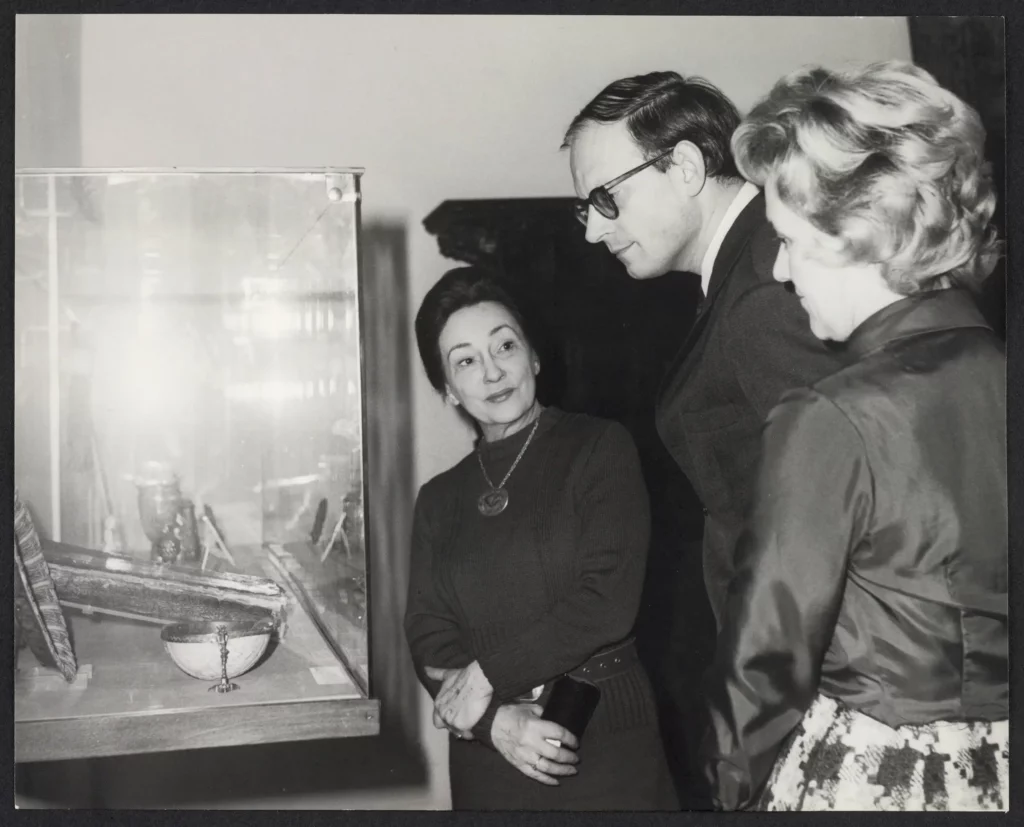
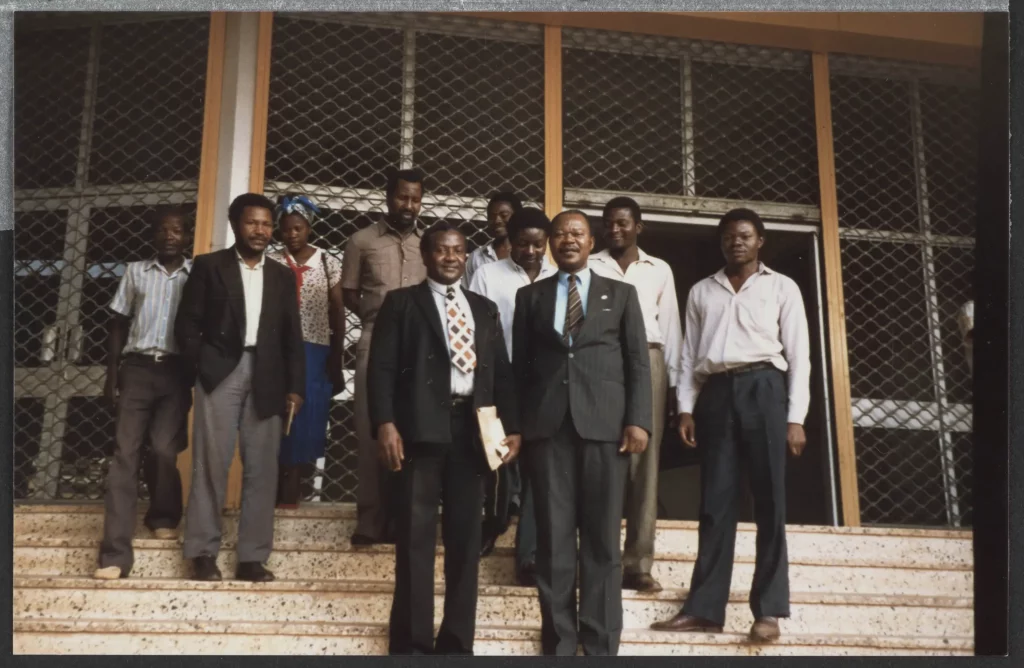
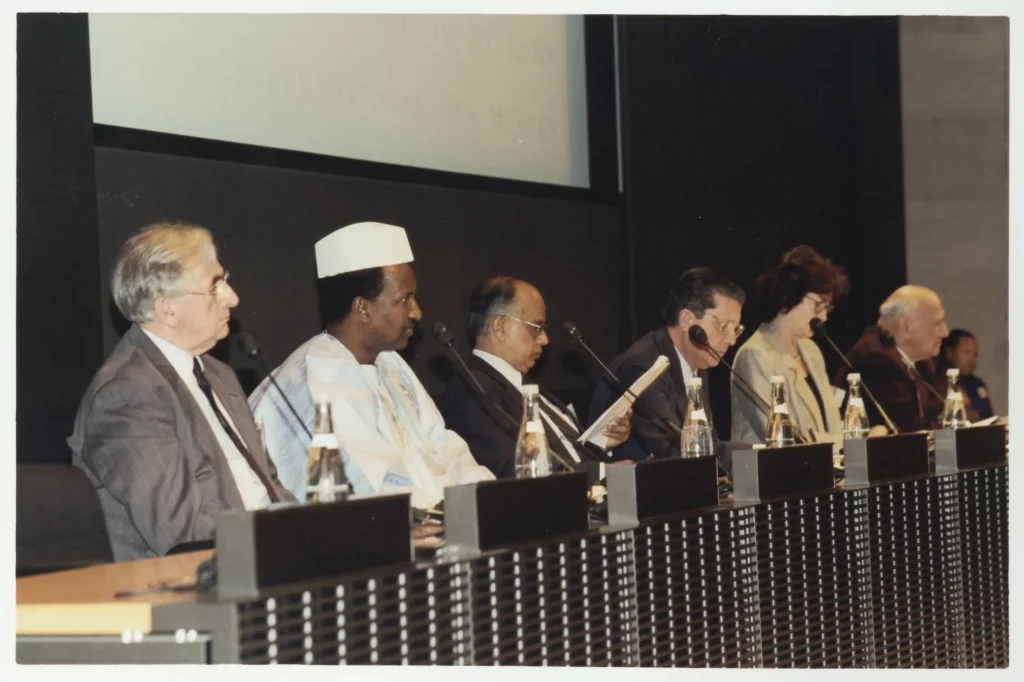
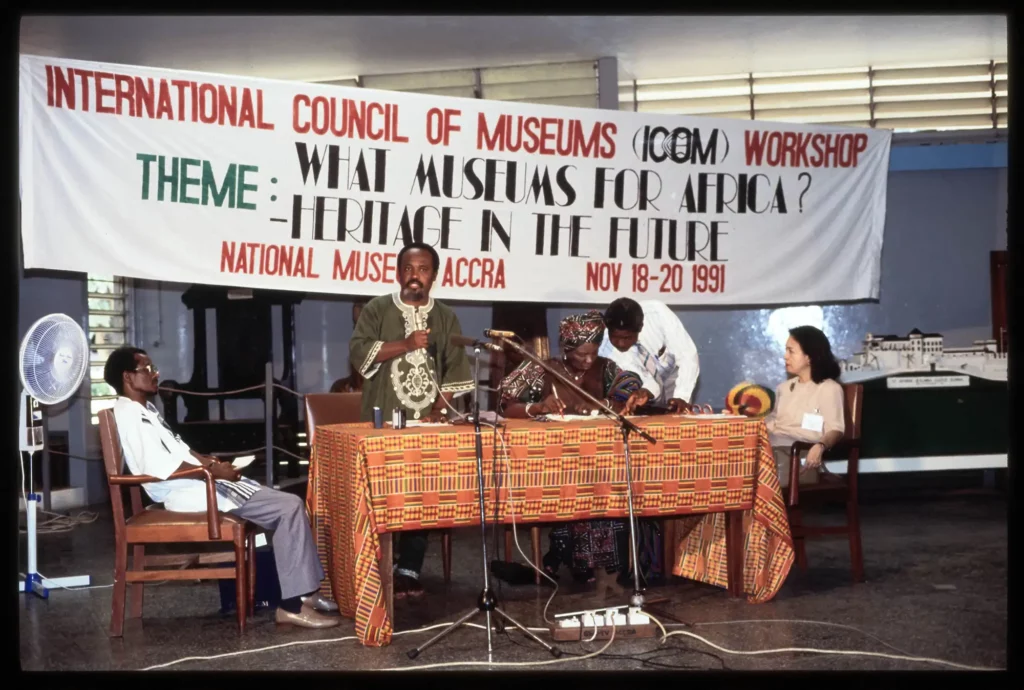
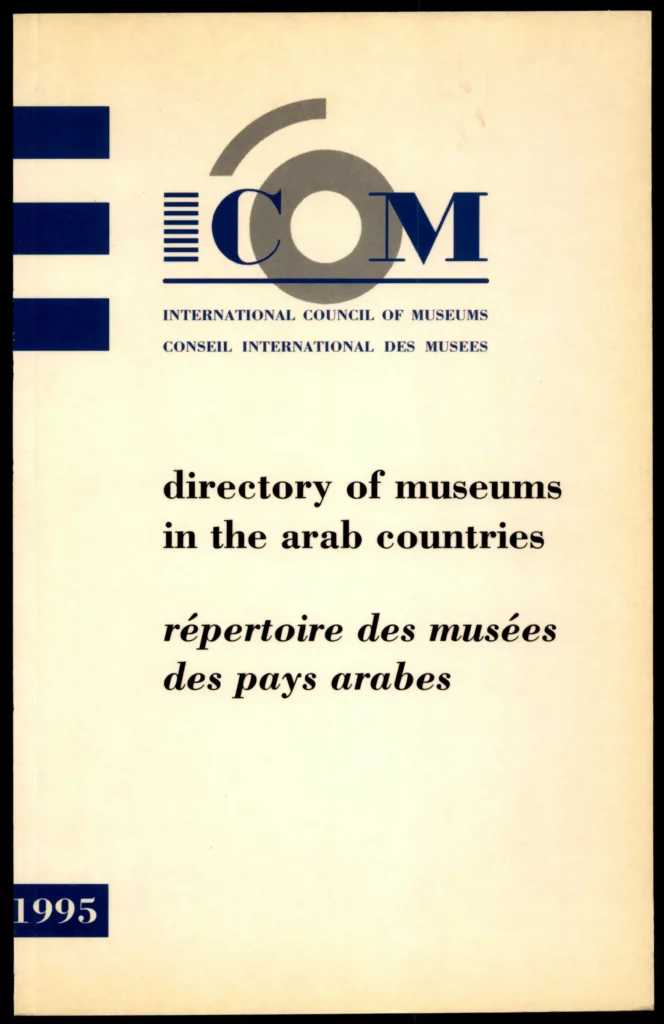
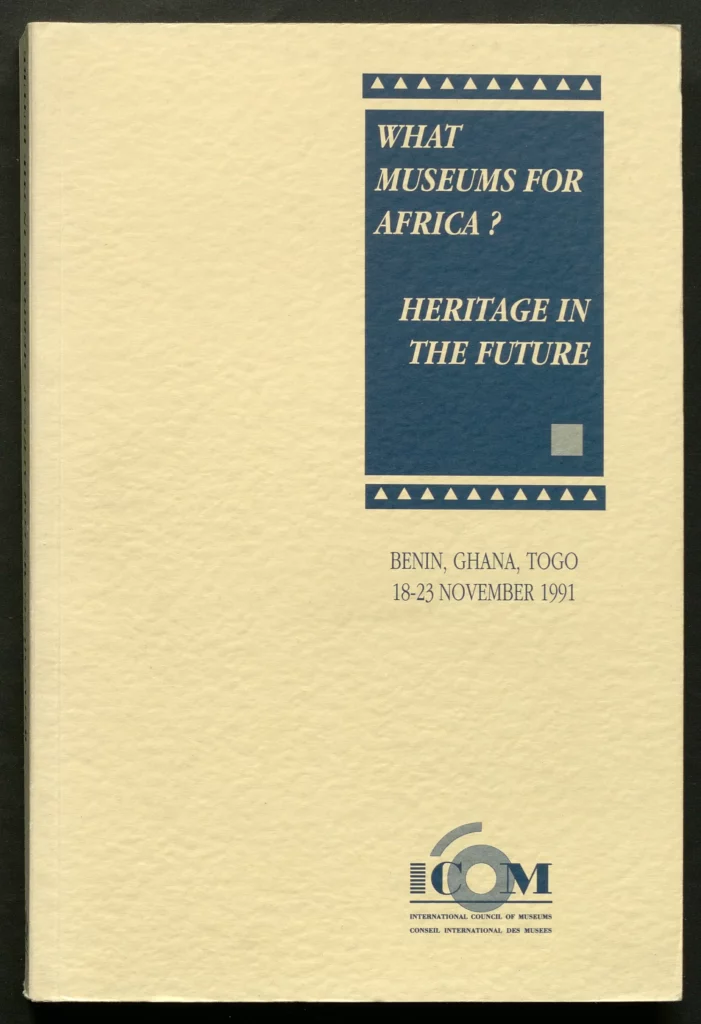
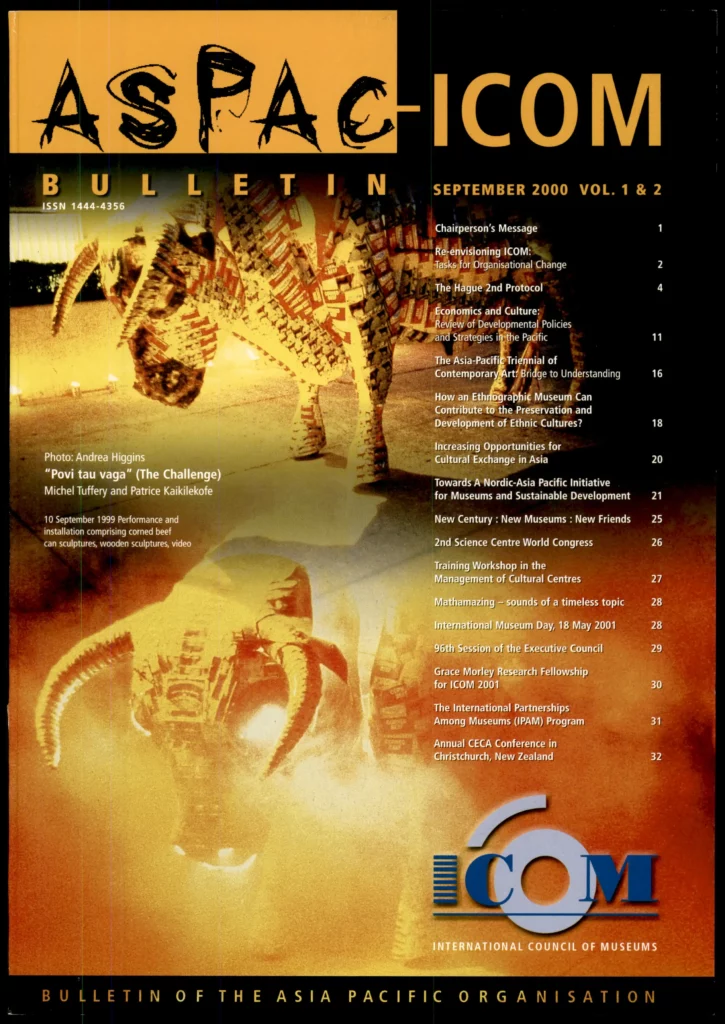
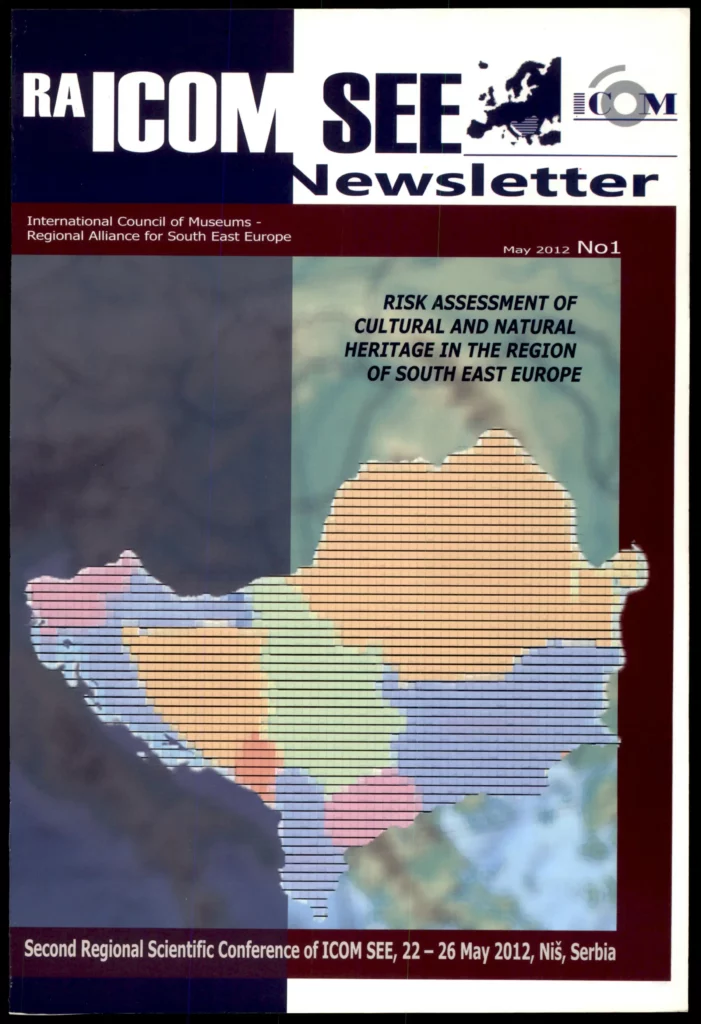
-
1946
-
CIMUSET
International Committee for Museums and Collections of Science and Technology
-
ICMAH
International Committee for Museums and Collections of Archaeology and History
-
ICME
International Committee for Museums and Collections of Ethnography
-
ICOM DESIGN
International Committee for Decorative Arts and Design
-
NATHIST
International Committee for Museums and Collections of Natural History
-
-
1948
-
ICOM ARCHI-TECHS
International Committee for Architecture and Museum Techniques
-
-
1950
-
ICOM DOCUMENTATION
International Committee for Documentation
-
-
1954
-
ICOM ARMS & MILITARY
International Committee for Museums and Collections of Arms and Military History
-
-
1959
-
GLASS
International Committee for Museums and Collections of Glass
-
ICOM MUSIC
International Committee for Museums and Collections of Instruments and Music
-
-
1962
-
CIMAM (-2015)
International Committee for Museums of Modern Art
-
COSTUME
International Committee for Museums and Collections of Costume, Fashion and Textiles
-
ICR
International Committee for Regional Museums
-
-
1966
-
CECA
International Committee for Education and Cultural Action
-
-
1967
-
ICOM-CC
International Committee for Conservation
-
-
1968
-
ICTOP
International Committee for the Training of Personnel
-
-
1974
-
ICOM SECURITY
International Committee for Museum Security
-
-
1976
-
ICOM COMMS
International Committee for Communications, Marketing, and Audience Engagements
-
-
1977
-
CIPEG
International Committee for Egyptology
-
ICLCM
International Committee for Literary and Composers’ Museums
-
ICOFOM
International Committee for Museology
-
-
1980
-
ICFA
International Committee for Museums and Collections of Fine Arts
-
-
1982
-
ICOM EXHIBITIONS
International Committee for Exhibition Exchange
-
-
1982
-
INTERCOM
International Committee for Museum Management
-
-
1990
-
AVICOM
International Committee for Audiovisual, New Technologies and Social Media
-
-
1998
-
DEMHIST
International Committee for Historic House Museums
-
-
2000
-
UMAC
International Committee for University Museums and Collections
-
-
2001
-
ICMEMOHRI
International Committee of Memorial and Human Rights Museums
-
-
2004
-
ICOM CITIES
International Committee for the Collections and Activities of Museums of Cities
-
-
2010
-
COMCOL
International Committee for Collecting
-
-
2019
-
DRMC
International Committee on Disaster Resilient Museums
-
ICEthics
International Committee on Ethical Dilemmas
-
-
2023
-
ICOM SUSTAIN
International Committee on Museums and Sustainable Development
-
SOMUS
International Committee for Social Museology
-
-
2024
-
ICOM STORAGE
International Committee on Collections in Storage
-
Timeline – International Committees
Emergence of new professional fields
While ICOM has grown geographically, as illustrated above, the scope and depth of the issues it addresses have expanded as well.
In its early days, ICOM’s main topic among members was the conservation of artworks in museums. Hugues de Varine-Bohan highlights how “Throughout my years at ICOM, the conservation of collections and, more generally, of cultural property was undoubtedly the primary activity of the organization and its International Committee for Conservation.” (Mon passage à l’ICOM 1962-1974, 2017, p.11). The Commission for the treatment of paintings was created in 1948 and was eventually merged with the Committee for museum laboratories into, the now ICOM-CC in 1967. ICOM focused on the preservation of collections in museums of fine arts, science and technology, natural history, and ethnology, but also on gardens and parks, which were very popular themes in the 1940s. This emphasis on conservation went hand in hand with a focus on museography and architecture, as exhibitions already constituted a central part of museum missions.
Increasing Attention to Training and Exchange
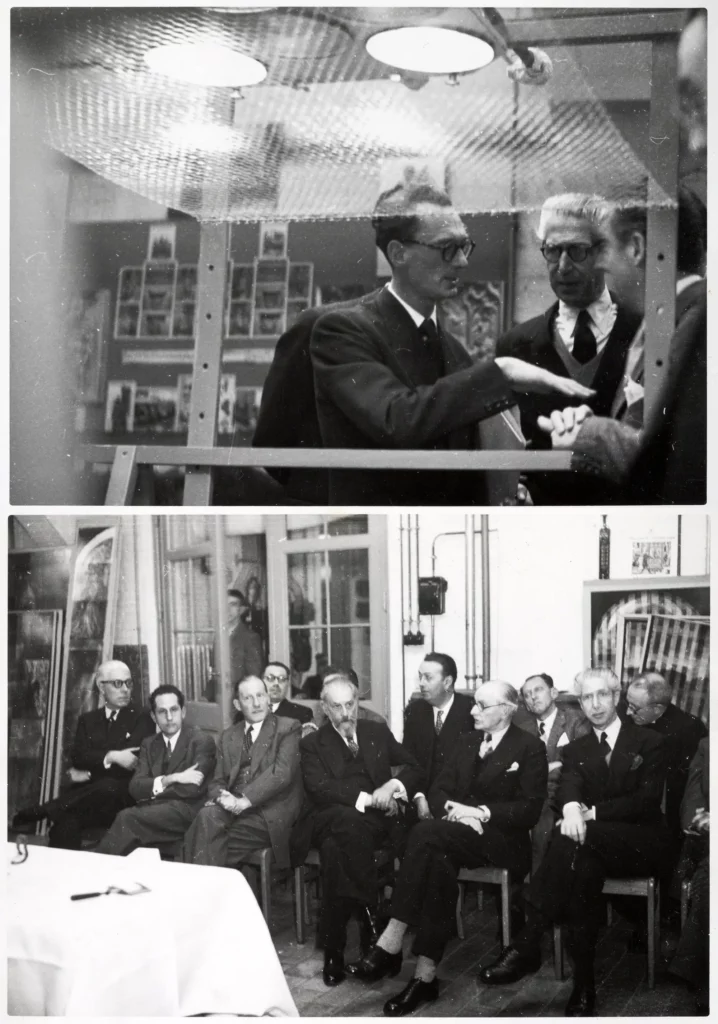
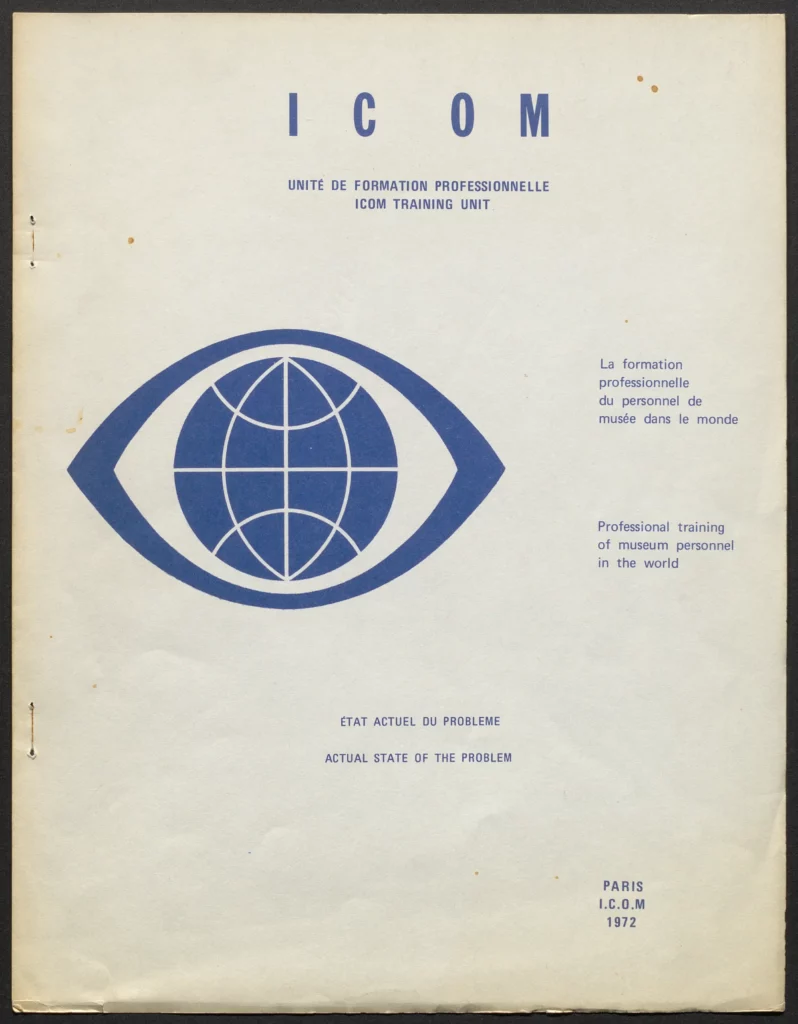
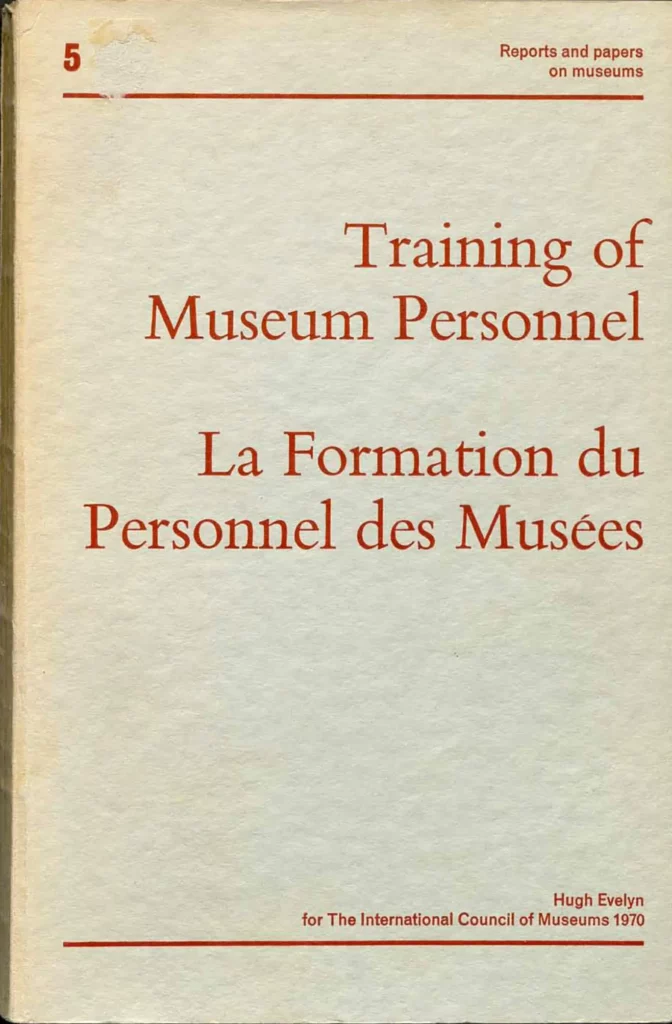
In the 1950’s and 1960’s, another topic gained increasing attention: the training, status, and exchange among museum personnel. During the 7th General Conference in 1965, an overall working theme was adopted for the first time: “Training of Museum Personnel”; which led to the creation of ICTOP in 1968. This focus continued to develop throughout the 1970’s and 1980’s and remains a major priority today.
In 1950, another important Committee was created: The International Committee for Documentation (then CIDOC, now ICOM Documentation). It brings together core resources on museums and thereby provides a forum for communication, cooperation, and information exchange among museums, museum professionals, scholars and others concerned with museum information and documentation.
A Growing Interest in Museology
In 1967, the meeting of a group of experts on the training of museum personnel in Europe, held in Brno, former Czechoslovakia, marked the first effort to have museology recognised as a scientific discipline in universities. Ten years later, in 1977, the International Committee for Museology (ICOFOM) was formed with Jan Jelínek, Czech anthropologist, museologist and president of ICOM 1971-1977, its first chair.
The expansion of Latin American Committees and ICOM’s dedication to study, share and disseminate different understandings of museum theory at the end of the 1960s, early 1970s resulted in the round table of Santiago de Chile (May 31, 1972) on “The development and role of museums in the contemporary world,” and the rise of new museology.
Combating Illicit Trade in Cultural Property
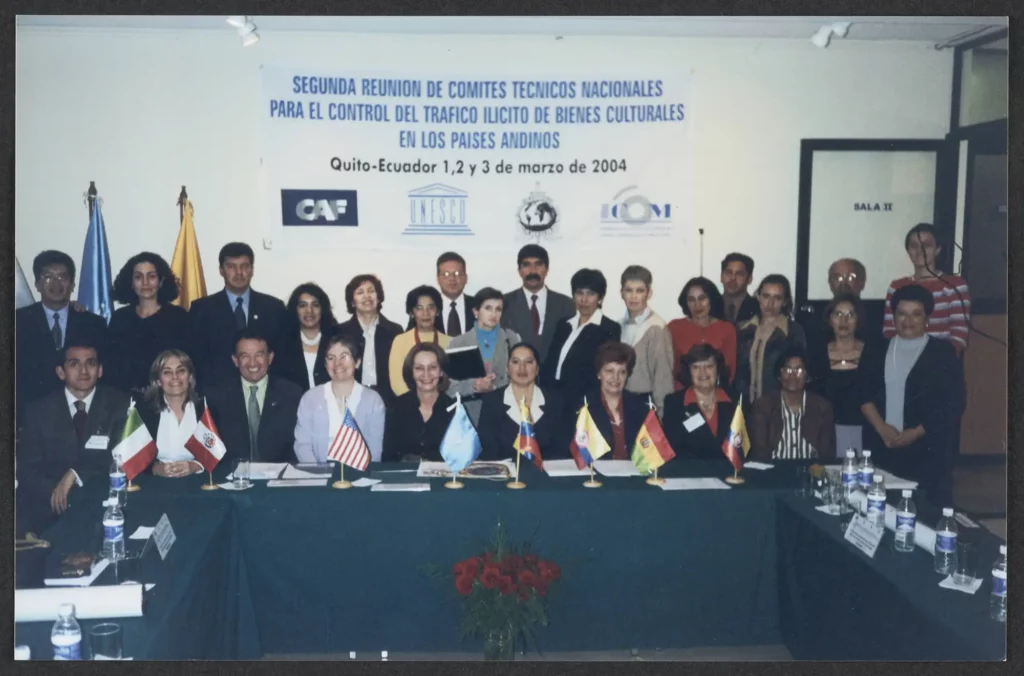
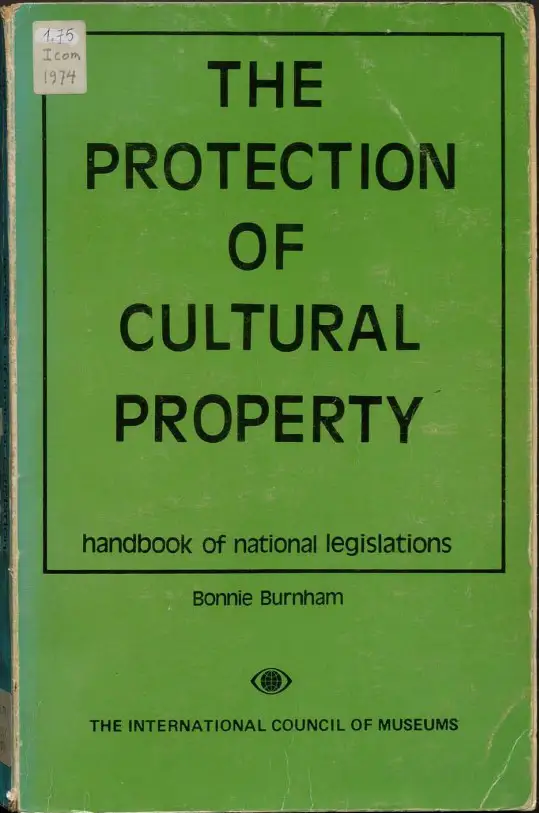
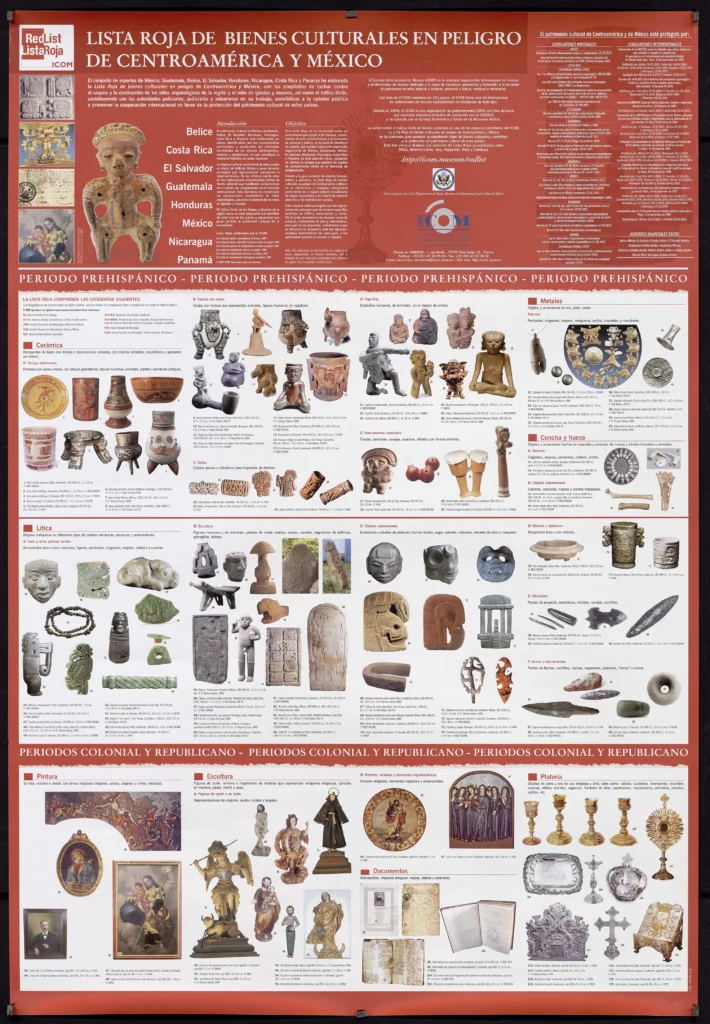
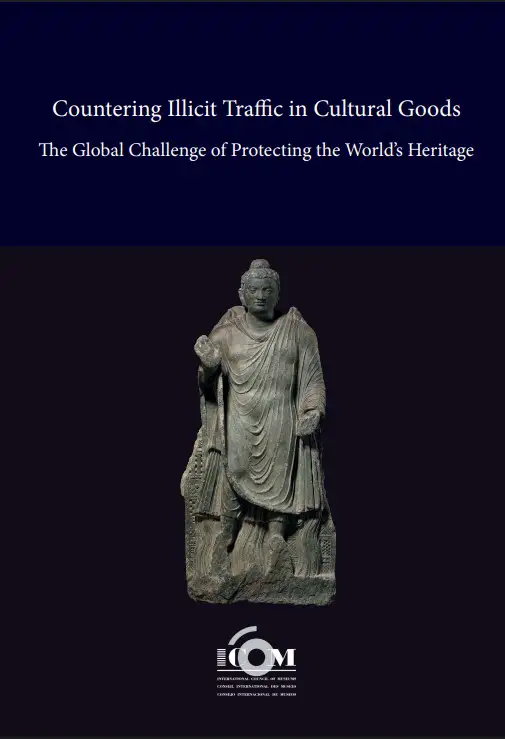
Since 1947, ICOM has firmly opposed illegal excavations and the export of cultural property. It has actively fought against the illicit traffic of cultural goods and encouraged museums worldwide to take a firm stand against it. To support these efforts, ICOM has raised awareness both within and beyond the museum community, often in collaboration with international partners such as UNESCO or INTERPOL – to build multisectoral capacities, developed ethical guidelines through its Code of Ethics for Museums and participated to the creation of operational tools such as the Object ID or the International Observatory on Illicit Traffic in Cultural Goods.
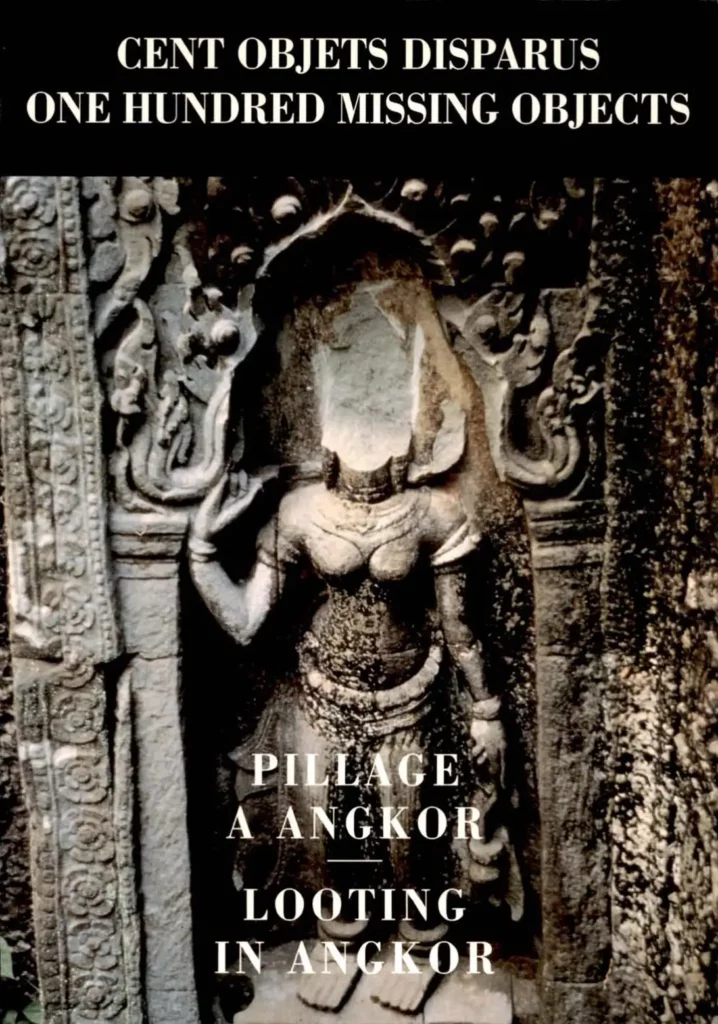
One of ICOM’s most significant initiatives in this area are the ICOM Red Lists, prefigured by the series of One Hundred Missing Objects books. Created in 1997 and published for the first time in 2000, these Red Lists identify categories of cultural objects from specific countries or regions that are particularly vulnerable to looting and illegal trafficking. From the editions dedicated to Africa (2000) and Latin America (2003) to the most recent on Greece and Türkiye (2025), it is a total of 22 Red Lists already published thanks to experts all over the world. Furthermore, in response to urgent geopolitical situations, ICOM has also issued emergency editions, such as the Emergency Red List of Cultural Objects at Risk – Ukraine in 2022.
Contemporary Concerns; Sustainability and Museum Storage
Sustainability has been at the heart of ICOM concerns for many years. In 2018, an ICOM Working Group on Sustainability was established to support the integration of the UN Sustainable Development Goals and the Paris Agreement across its range of activities.
More recently, museum storage has emerged as a key professional focus. Ongoing debates on this topic since the 1970s led, in 2024, to the creation of a new International Committee on Museum Storage, as well as the publication by the ICOM Working Group on Collections in Storage of a report on museum storage worldwide.
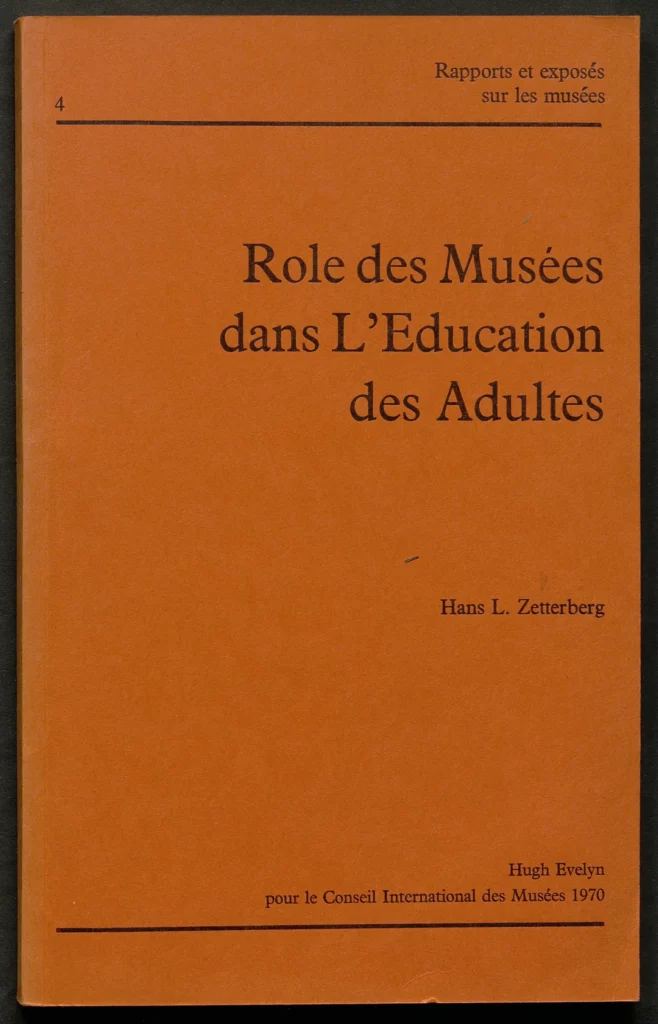
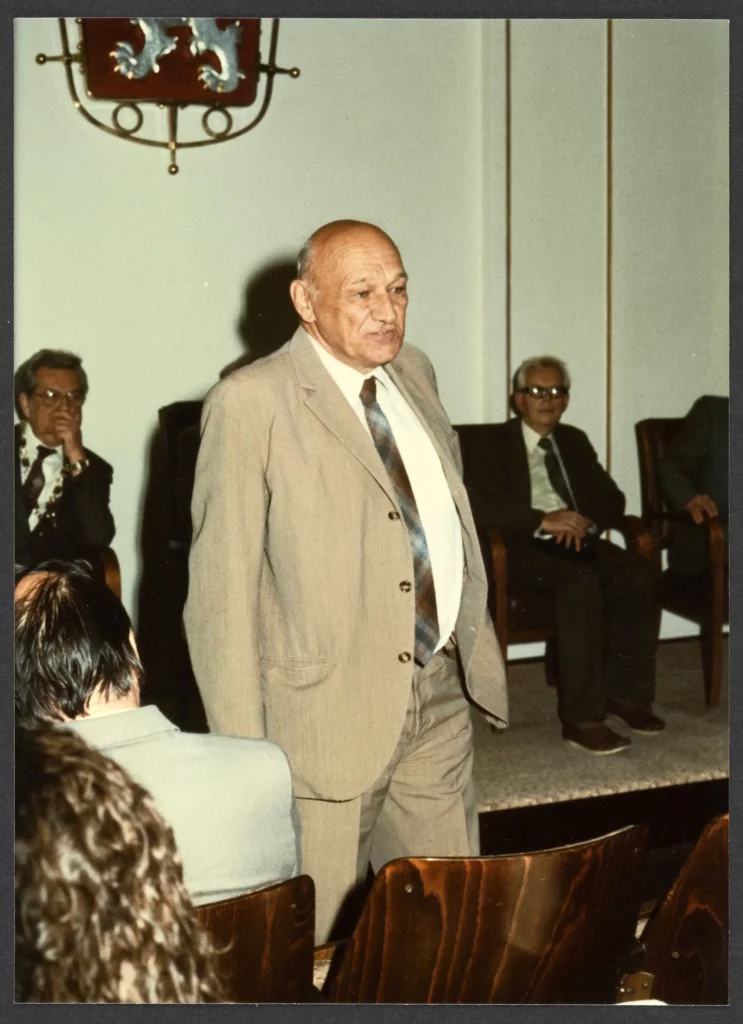
Archival Documents – New Professional Fields
Broadening of Museum Definitions and Roles
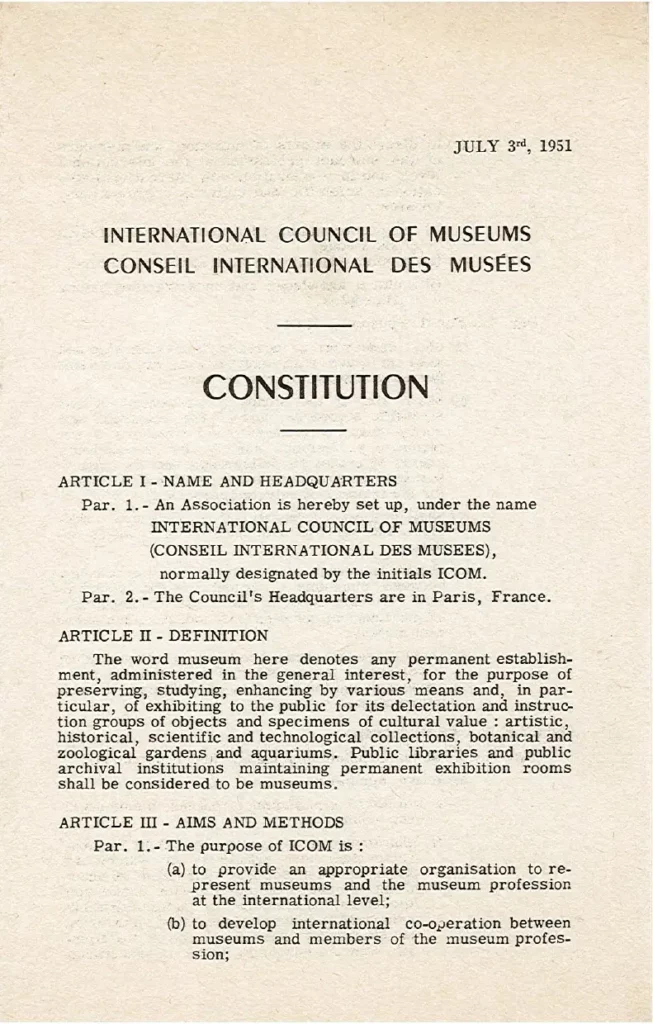
To define “museum” has remained an underlying topic throughout the organisation’s history. In 1946, the creation of ICOM as a non-profit association under the French 1901 law required the drafting of Statutes, and so, a definition of its members. ICOM’s first definition of the museum was therefore a legal requirement and characterised a museum primarily based on the nature of its collection (cf. Article 2, Section II, 1946 Statutes).
A Revolutionary Formulation for Its Time
Nevertheless, ICOM’s current definition of the museum differs greatly from its first definition. It has been revised many times (1951, 1961, 1974, 1989, 1995, 2001, 2007 and 2022), in response to debates and expectations of each historical period. In particular, the 1974 definition was the result of intense discussions that begun during the 1971 General Assembly in Grenoble. The strong desire for change and adaptation to society, expressed by the younger generation, led to a significant change with museums now defined as an institution “in the service of the society and its development”. This formulation was revolutionary at the time.
The Museum’s Enduring Role in Society
That same year, in 1971, Georges Henri Rivière expressed that “an unavoidable conclusion is that: the traditional museum no longer serves a purpose. For the museum, as an institution of public interest, to truly be ‘at the service of humanity today and tomorrow,’ it must maintain a consistently critical stance toward the goals of its work.” Overall, the 2022 definition reflects a long process of evolution since 1974 while maintaining its core structure. Despite subsequent revisions and additions—most notably the inclusion in 2001 of the concepts of the tangible and intangible heritage of humanity—the core understanding of the museum as an institution serving society and its development has remained largely consistent.
In this context, the draft definition presented in 2019 by the Permanent Committee for the Museum Definition: Perspectives and Prospects (created in 2016 and chaired by Jette Sandahl) generated significant debate among ICOM members. Following these discussions, a new body, the ICOM Define Committee for the Museum Definition, was established to continue the work on the definition. This process culminated in the adoption of a new definition in 2022 that was widely adopted by the community of ICOM. To sum up, the museum as defined by ICOM has gradually shifted from a place centred on its collection to a multi-faceted institution dedicated to its public. Today, the issue is less about determining what lies behind the word museum than about defining the shared future of museums.
“A museum is a not-for-profit, permanent institution in the service of society that researches, collects, conserves, interprets and exhibits tangible and intangible heritage. Open to the public, accessible and inclusive, museums foster diversity and sustainability. They operate and communicate ethically, professionally and with the participation of communities, offering varied experiences for education, enjoyment, reflection and knowledge sharing.”
Digital Transformation in the 21st Century
ICOM has long engaged with the digital transition and the transformation of information and communication technologies. As early as 1981, the organisation created its first computerised bibliographic database, demonstrating an early awareness of the potential of digital tools for documentation and knowledge sharing.
Museum Professionals Turn to the Web
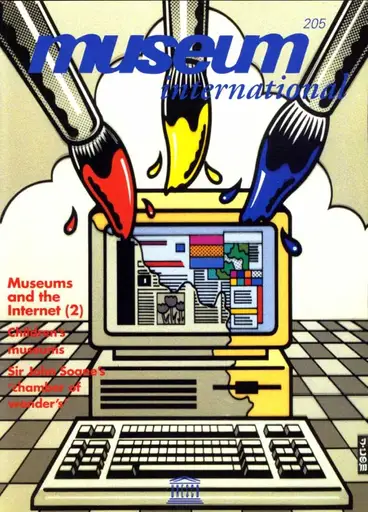
In the 1990s, these questions gained further prominence, notably with the publication of a leaflet “The internet for museums” (1995) and two issues of Museum International entitled Museums and the Internet (1999 and 2000), reflecting growing interest among museum professionals in the web as a new space for communication and access. During this period, several digital platforms were progressively launched, including the general ICOM website (1997, reshaped in 2005, 2010 and 2018), the International Observatory on Illicit Traffic in Cultural Goods (2014), and standardised websites for International or National committees and Regional Alliances, contributing to more structured and visible international networks. In 2001, ICOM developed the top-level domain .museum in collaboration with the Getty Foundation, under the corporate name of MuseDoma.
Digital Tools Strengthen Member Interaction
In the 21st century, digital transformation has increasingly reshaped ICOM’s collaborative practices and modes of professional exchange. The standardisation and multiplication of websites for International Committees, National Committees, and Regional Alliances have facilitated the circulation of information, the coordination of activities, and cross border cooperation beyond physical meetings. Digital tools have enabled more continuous interaction among members, thereby complementing traditional forms of collaboration based on conferences and in person gatherings.
The COVID-19 pandemic, as for many institutions, marked a turning point by significantly accelerating digital practices within ICOM. In 2020, the organisation held its first international conference specifically focused on the digitisation of museum collections, highlighting both technical and strategic issues linked to digital heritage. The same year also saw the widespread adoption of online statutory meetings and remote working groups, ensuring institutional continuity while expanding participation across regions that had previously faced logistical or financial barriers to engagement.
Sustainable Digitisation and AI Bring New Challenges
Today, ICOM faces new challenges linked to sustainable digitisation and the growing use of artificial intelligence in the museum field. Beyond technical considerations, these developments raise questions about ethics, governance, professional standards, and unequal access to digital resources. Digital transformation has thus become not only a tool for global outreach and collaboration, but also a central area of reflection on the future role of museums, the production and circulation of knowledge, and the responsibilities of museum professionals in an increasingly interconnected world.
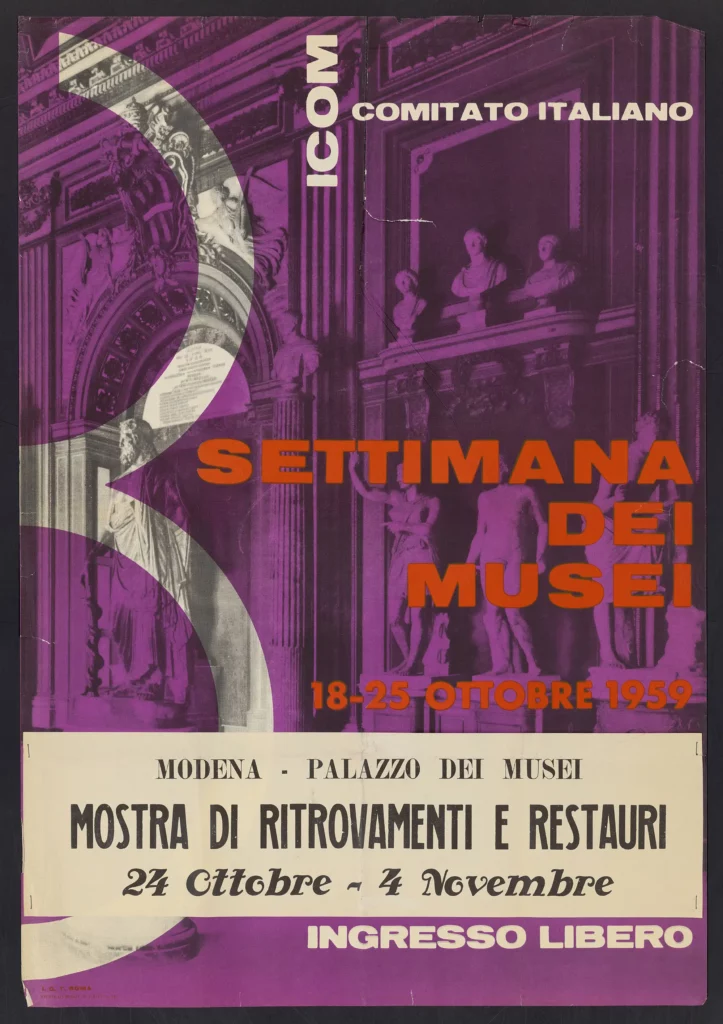
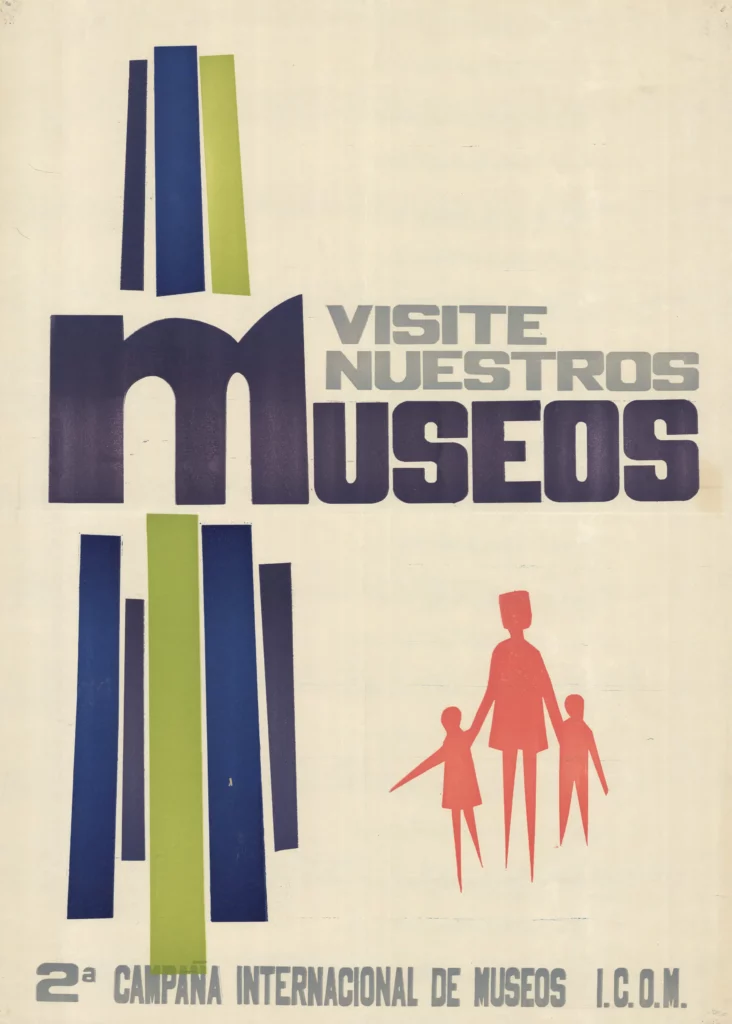
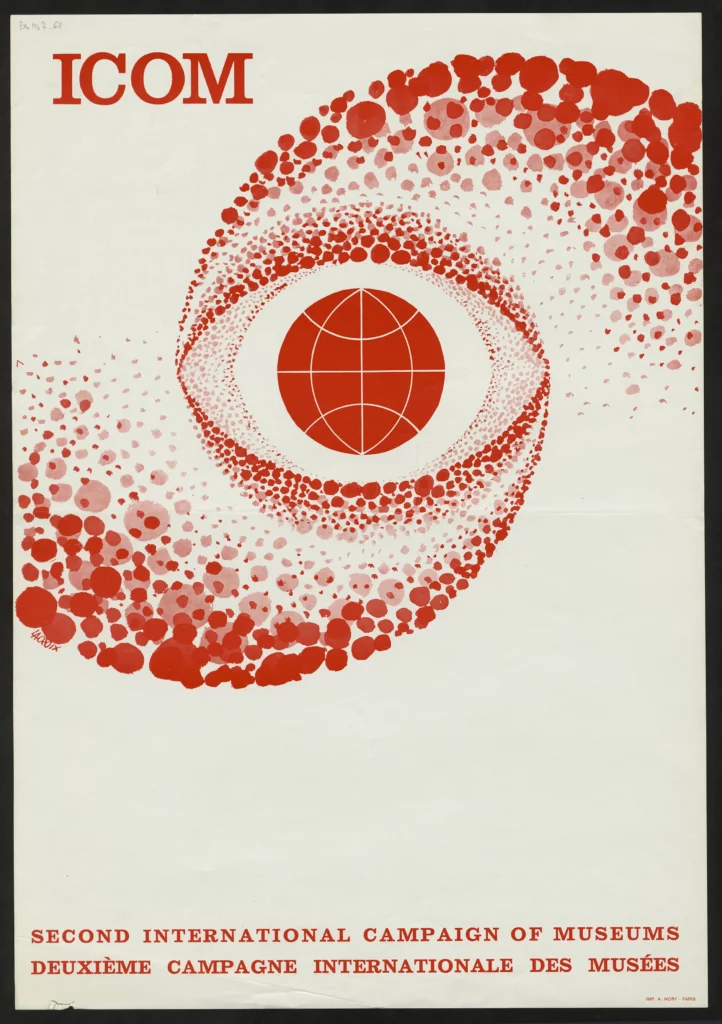
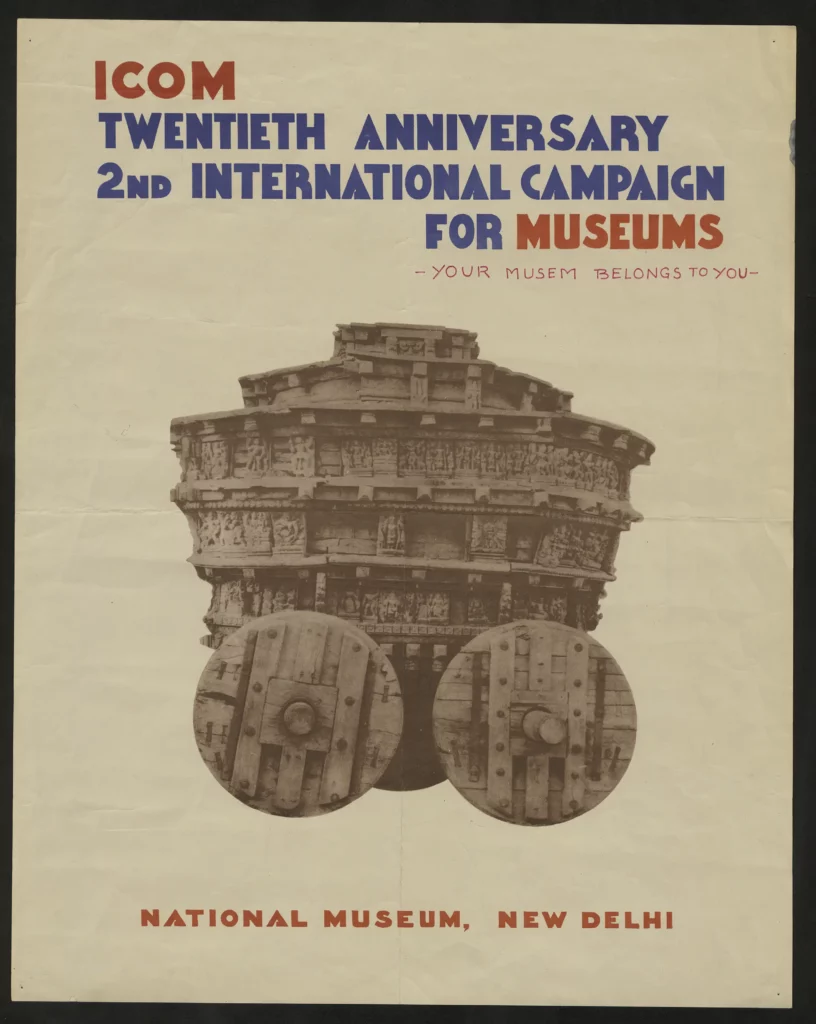
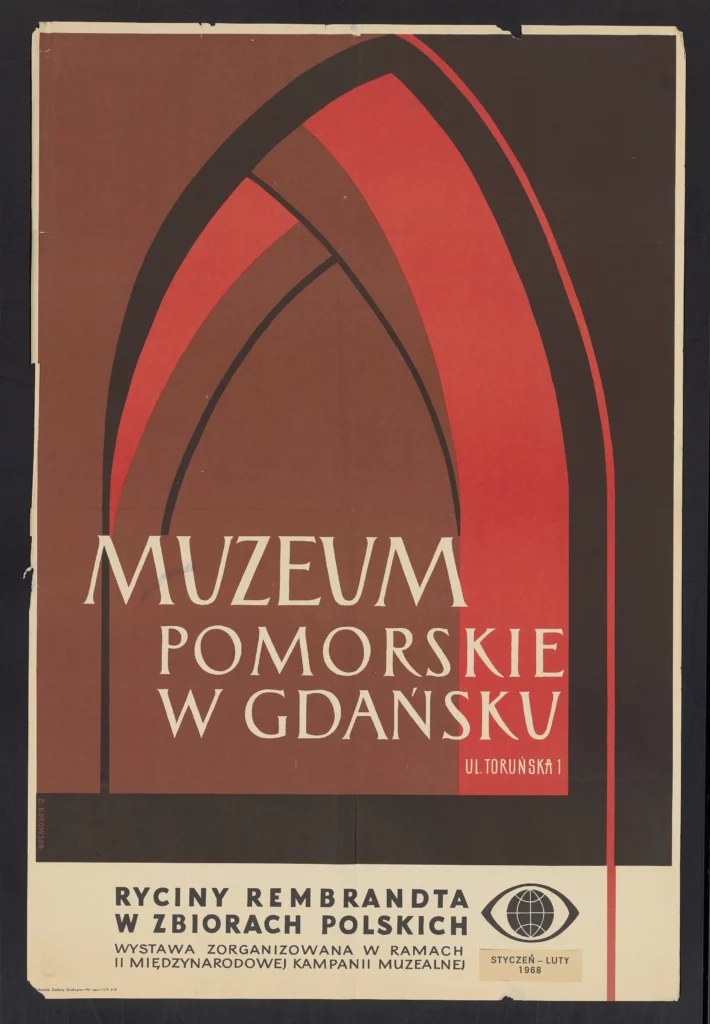
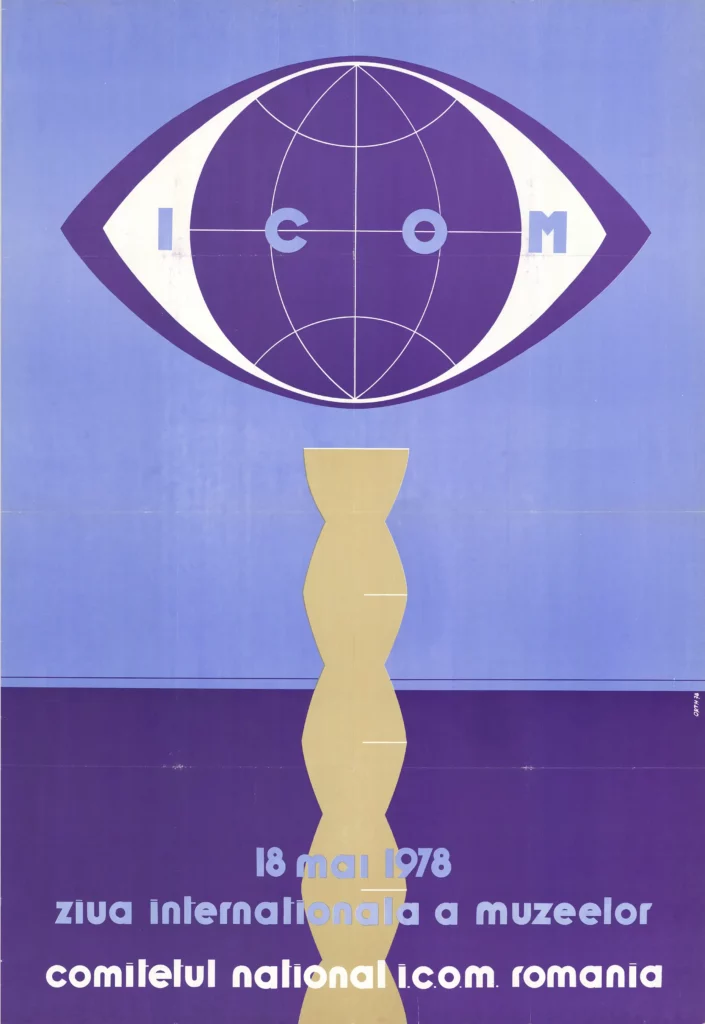
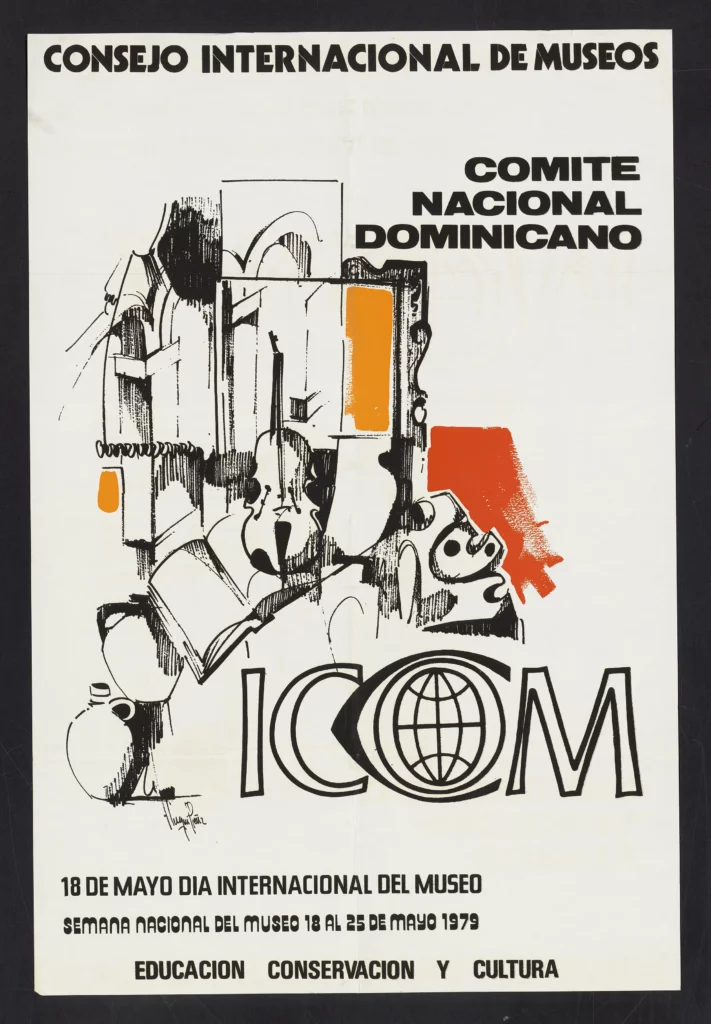
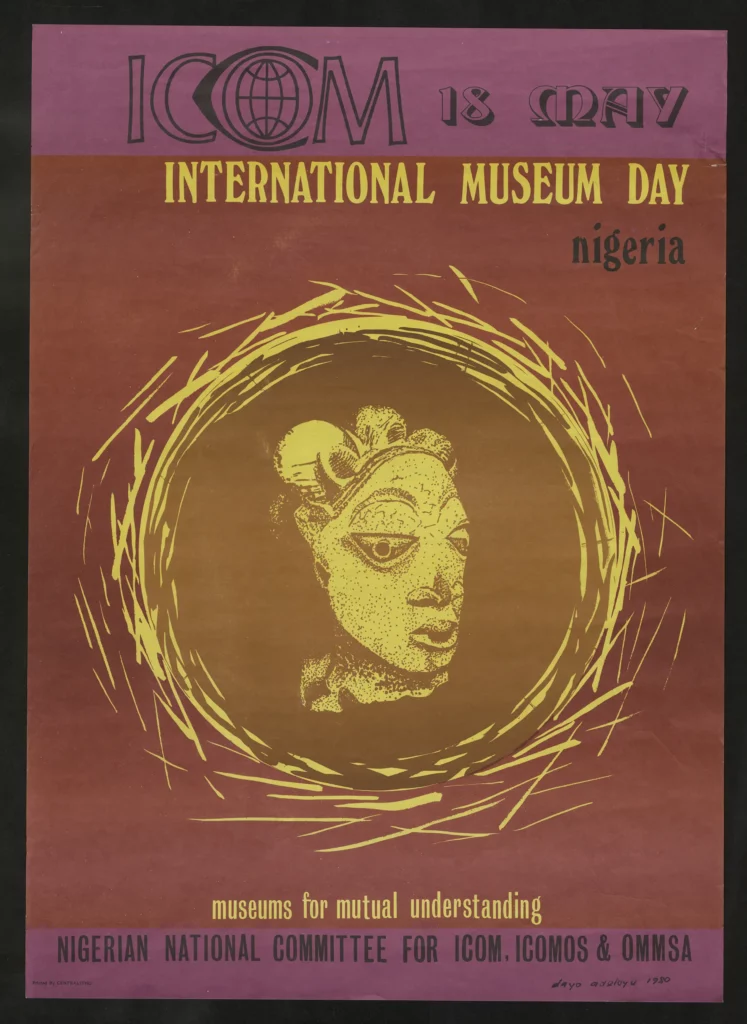
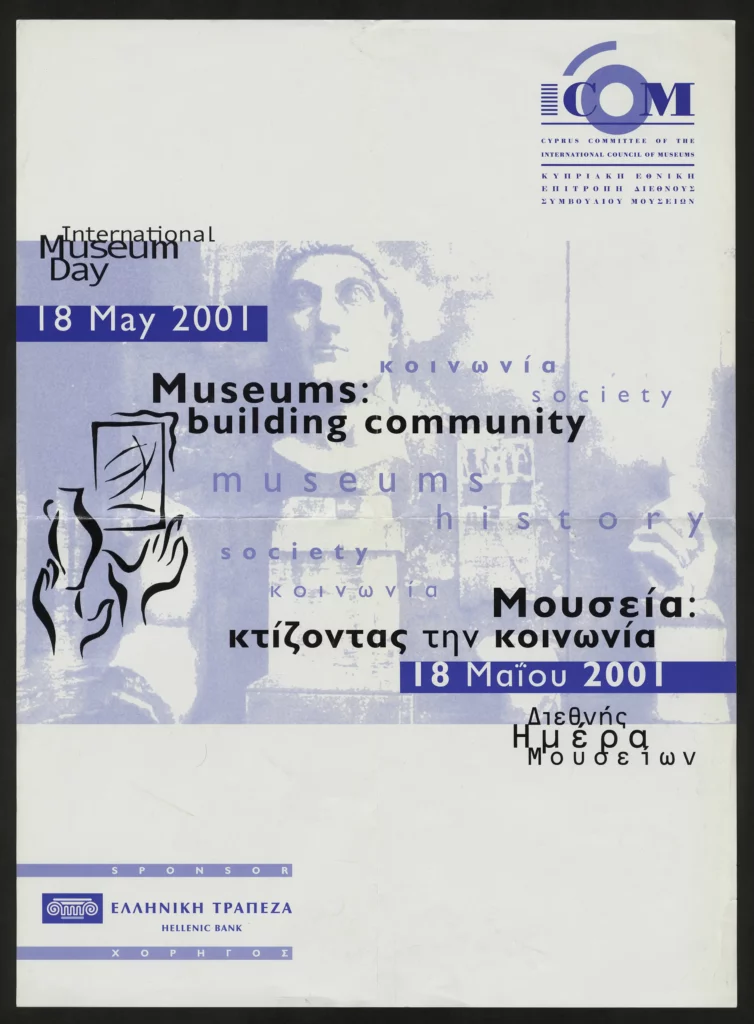
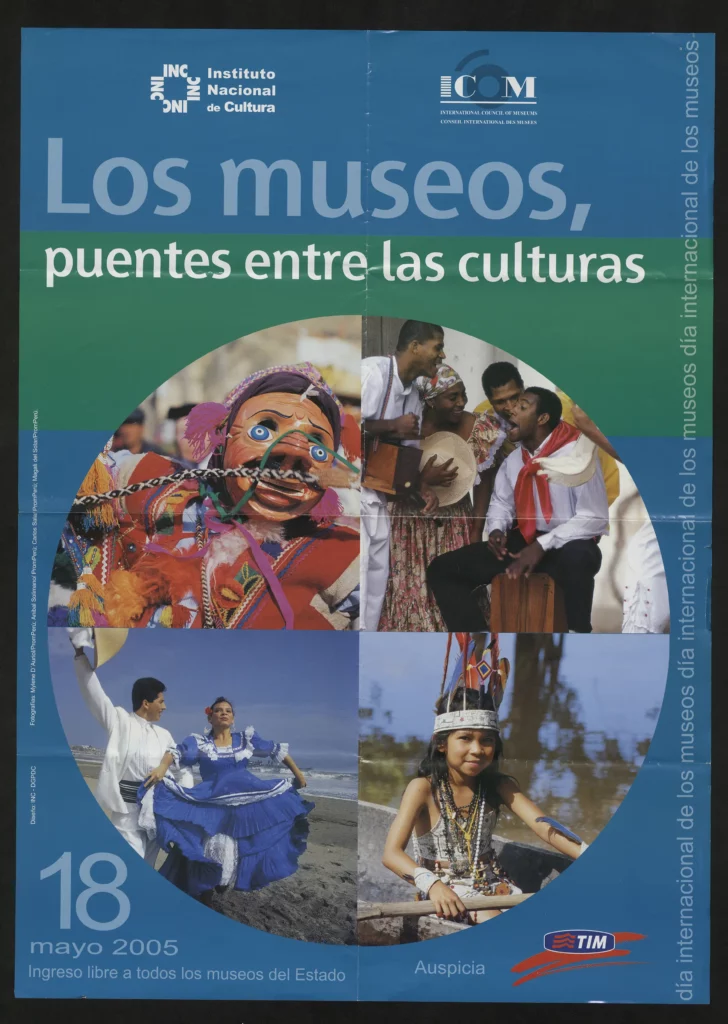
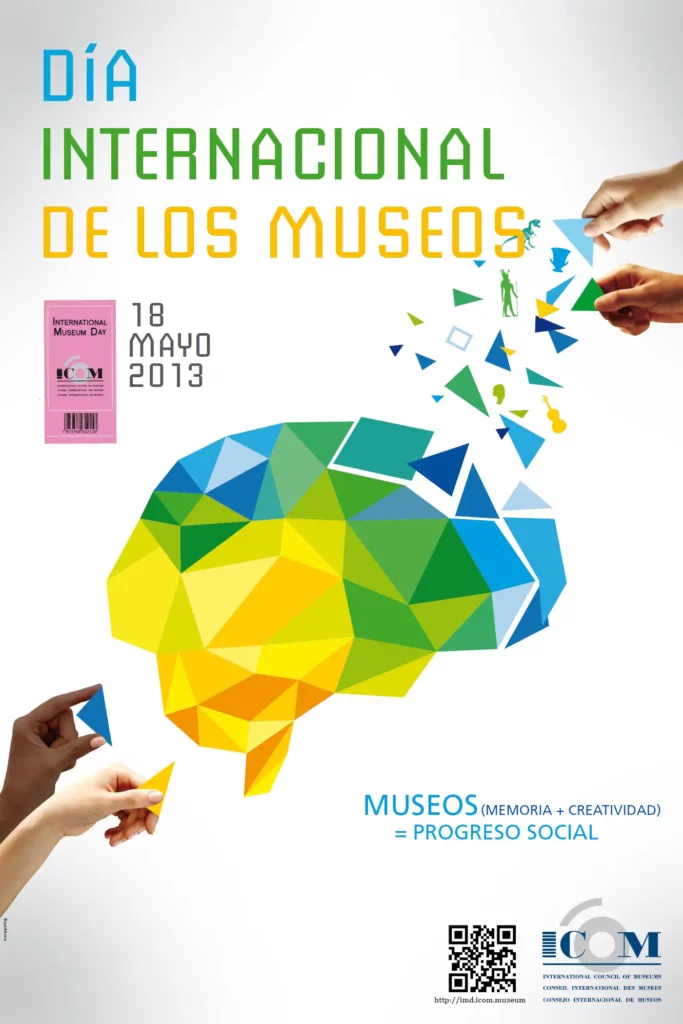
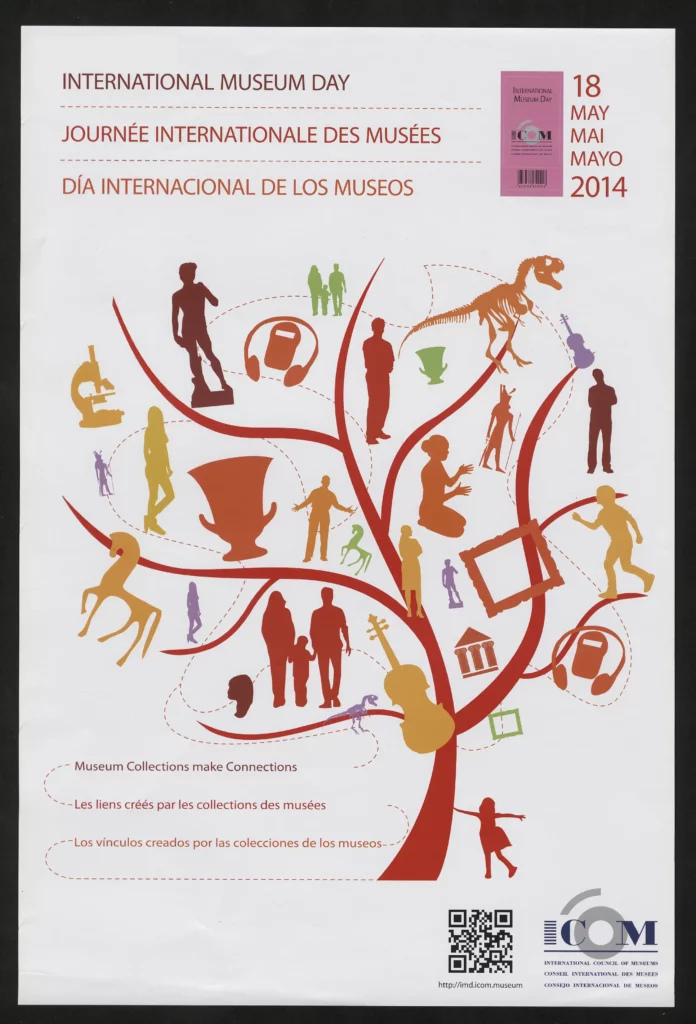
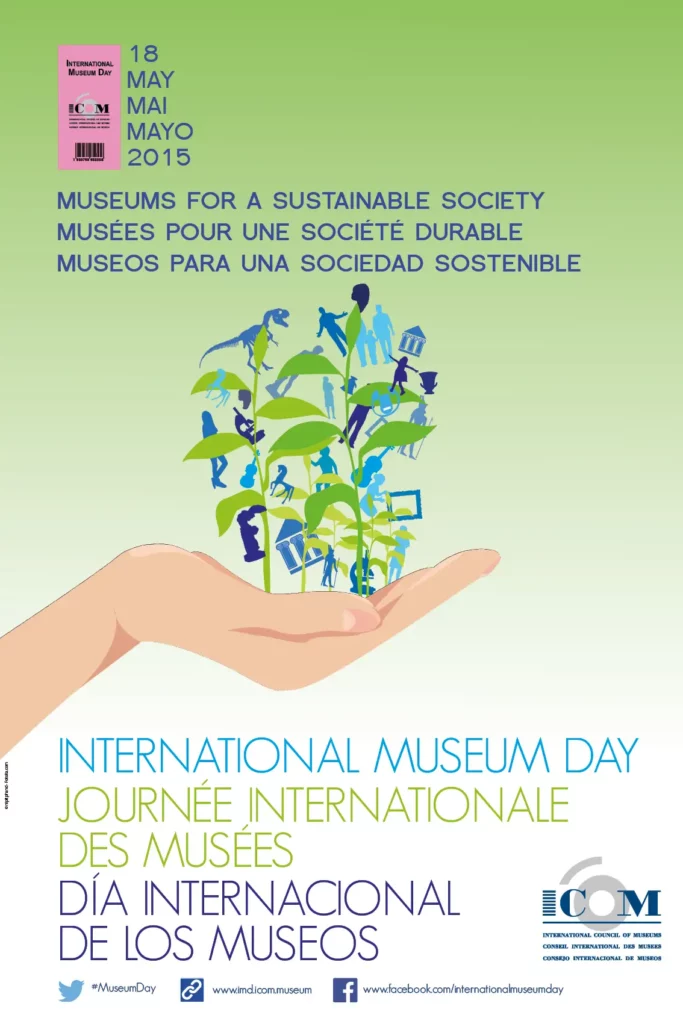
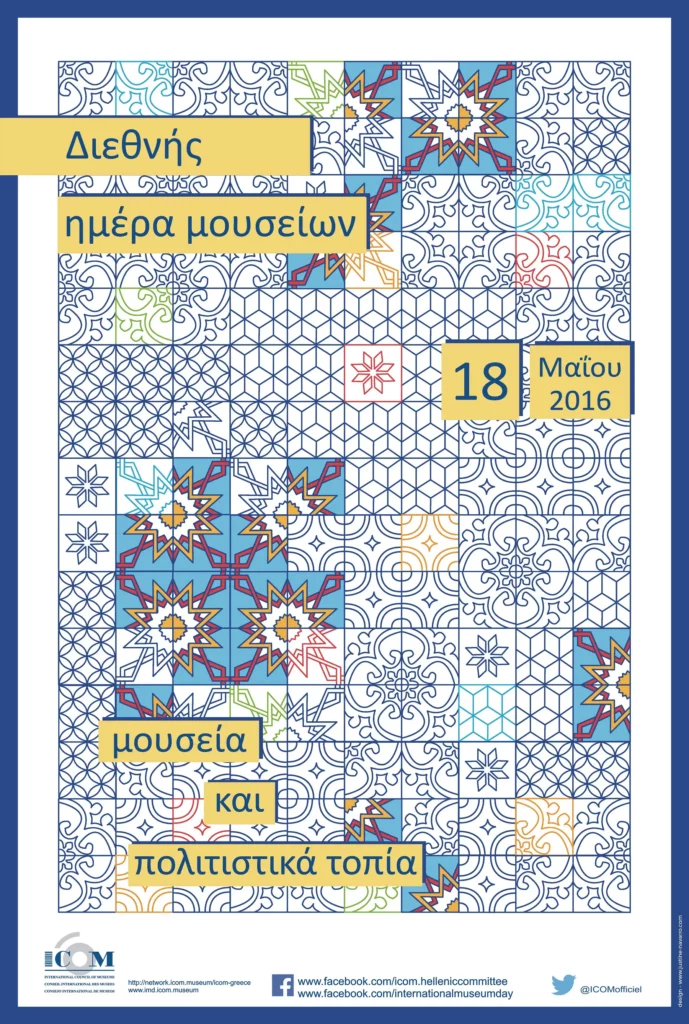
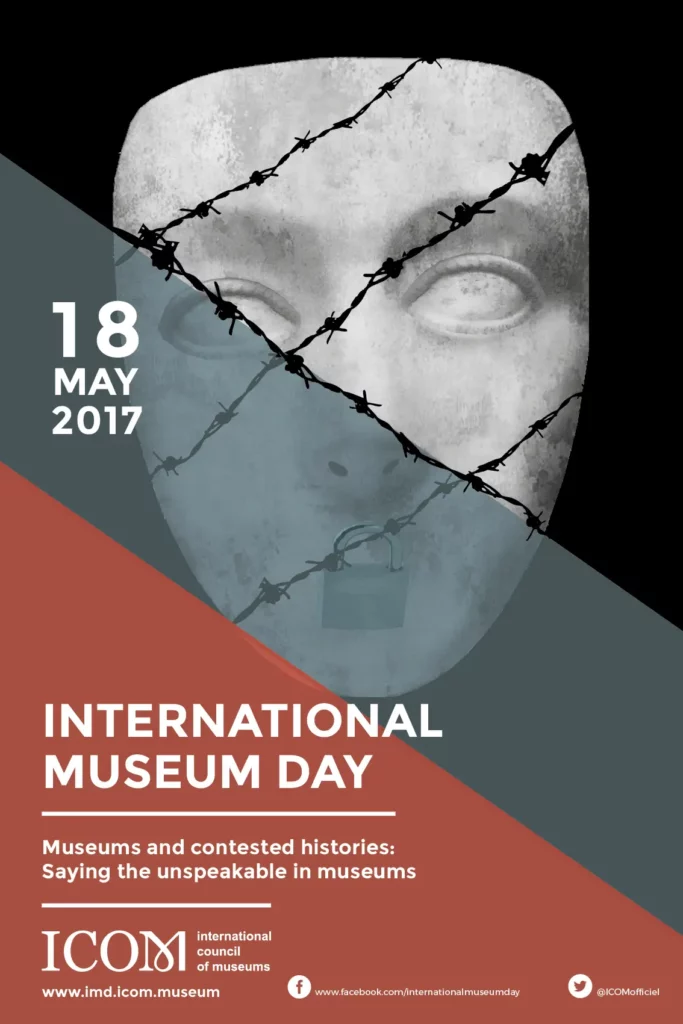
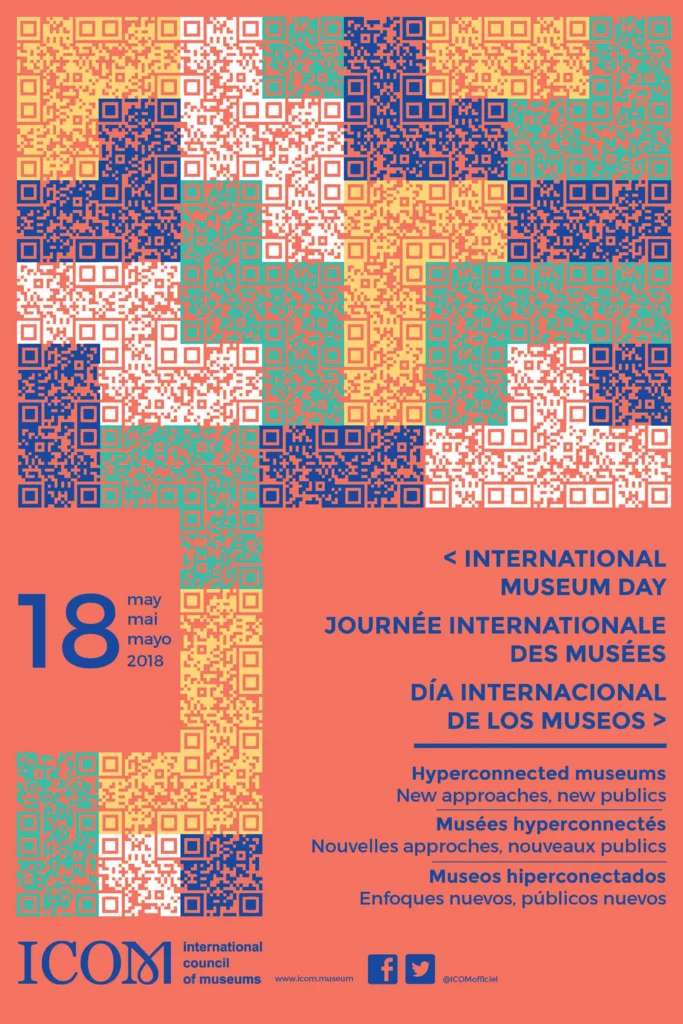
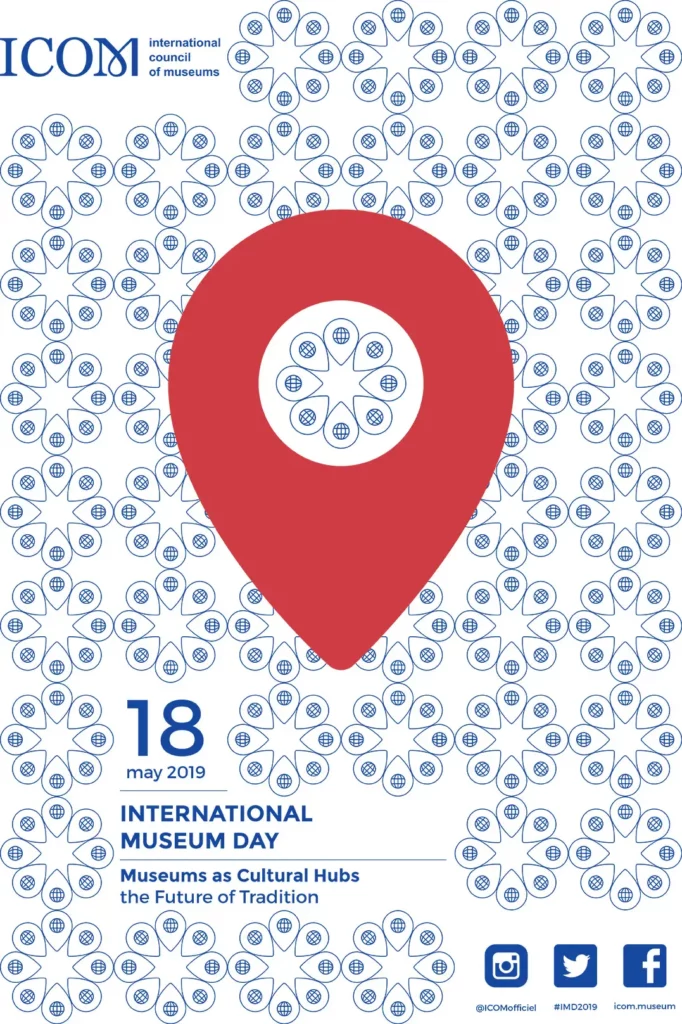
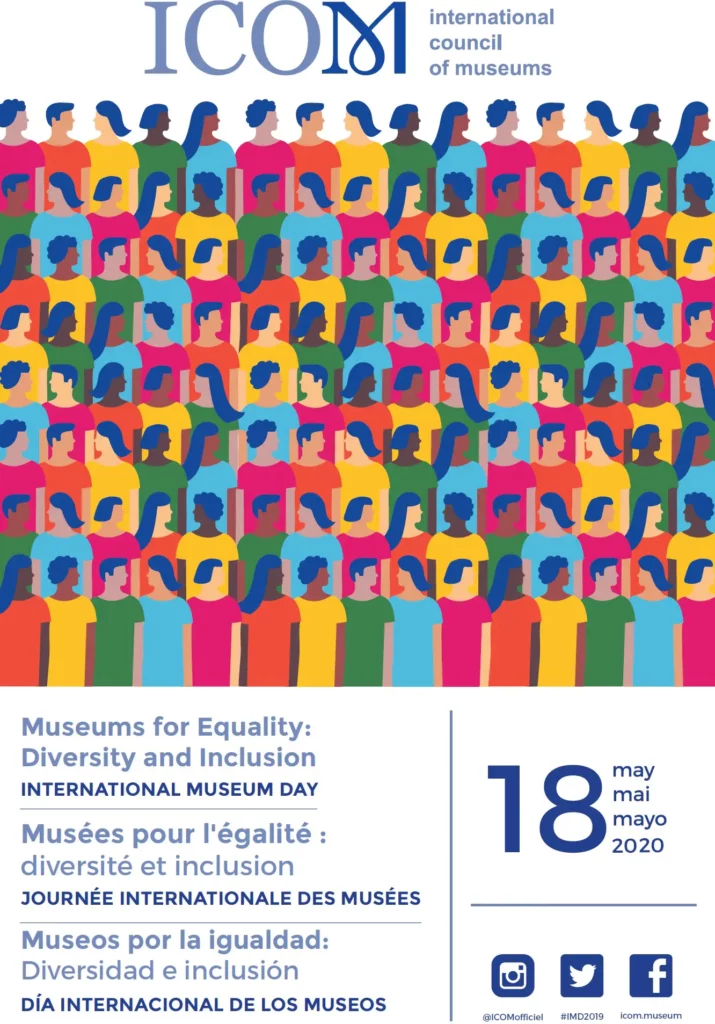
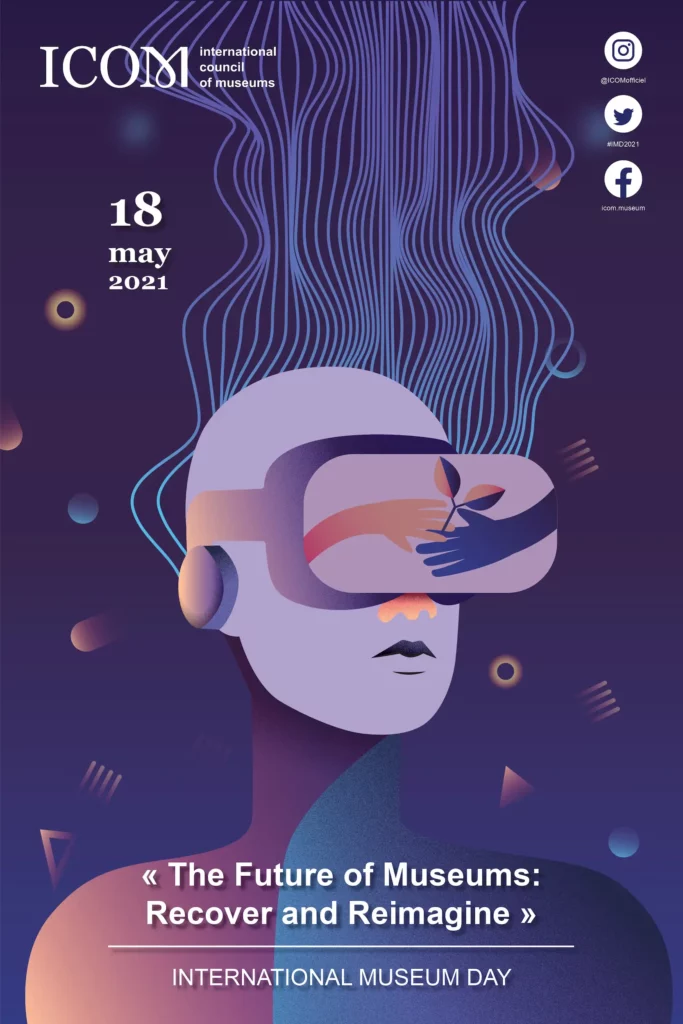
Poster Gallery – Museum Campaigns and International Museum Day
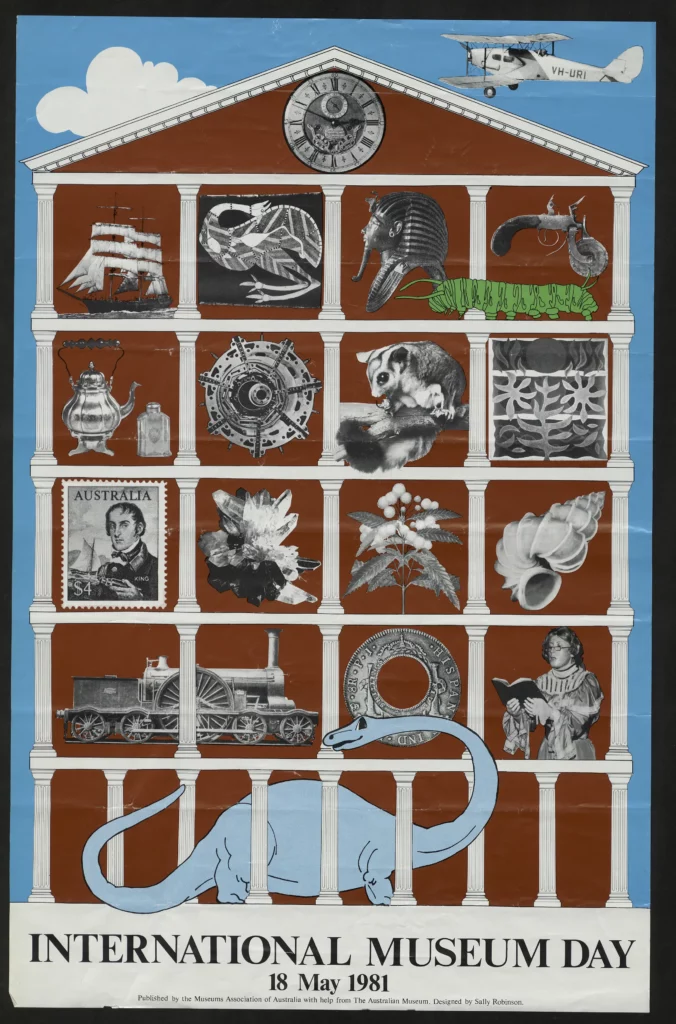
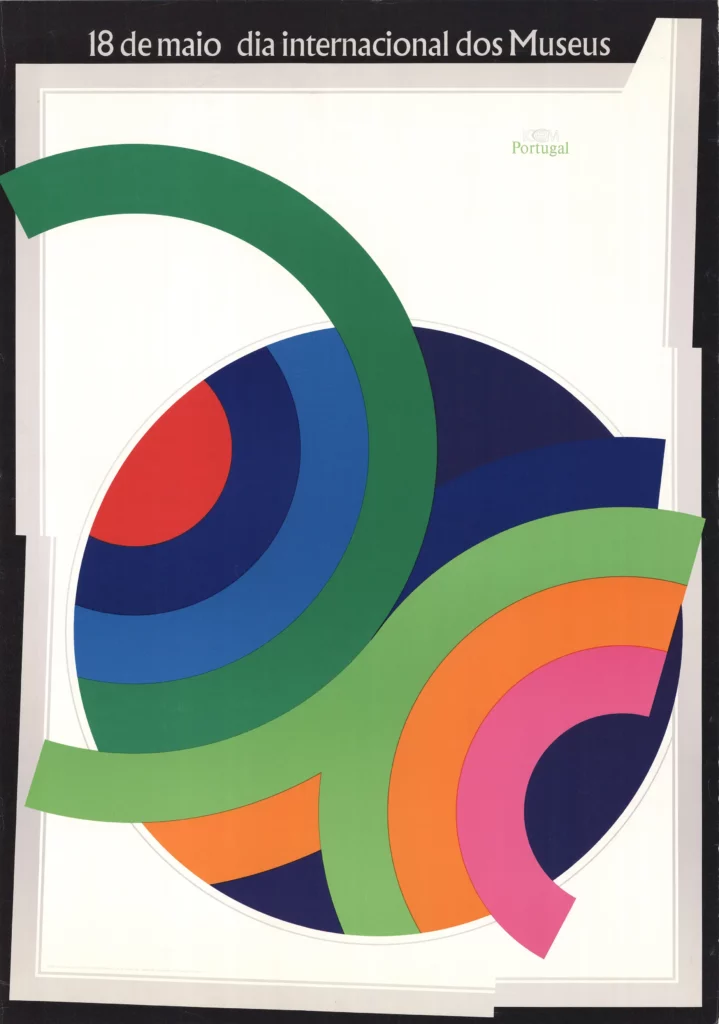
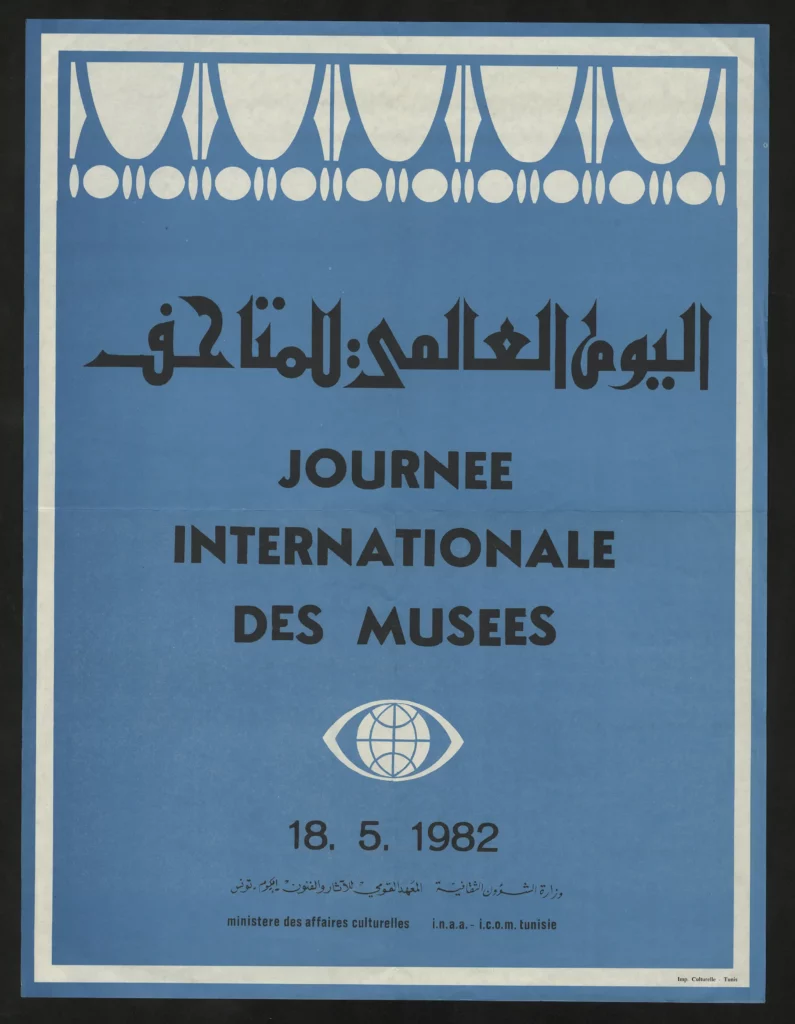
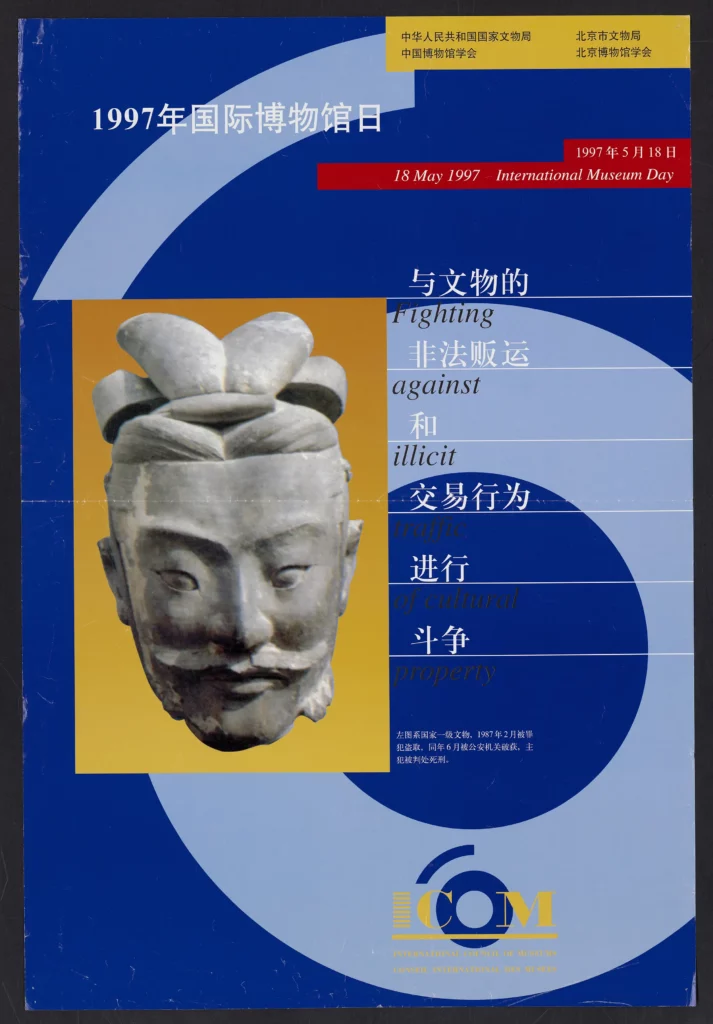
80 Years, Three Perspectives on ICOM
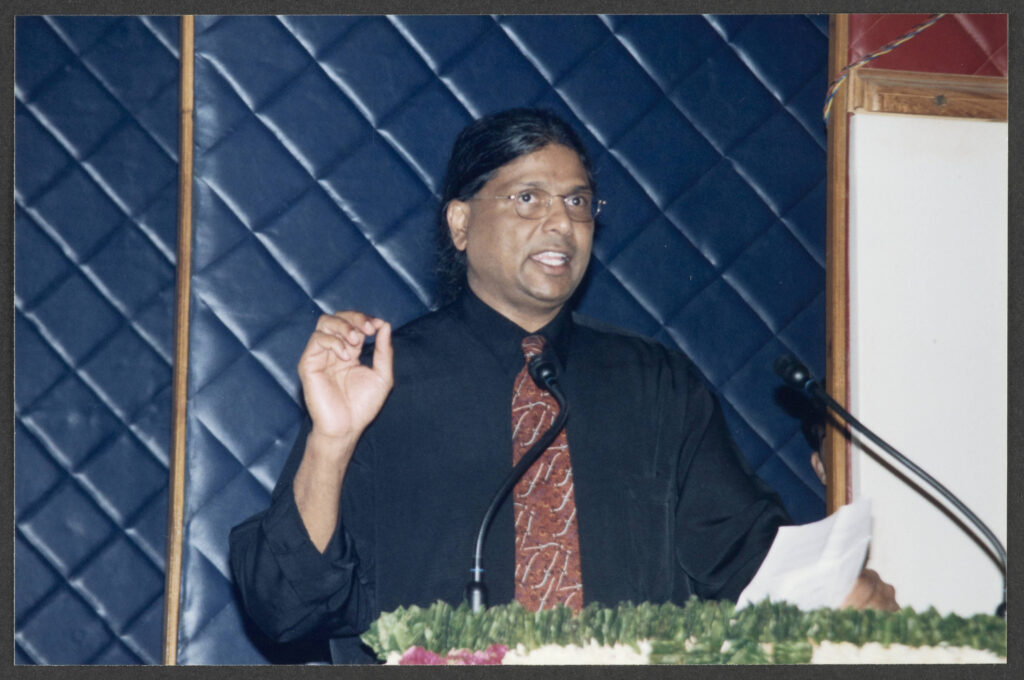
Amareswar Galla, ICOM Former Vice President
More Than Meets the Eye
How can museums become truly inclusive institutions? Over four decades of engagement with ICOM and UNESCO, I witnessed museums evolve from collection-centred repositories to civic spaces for intercultural dialogue, reconciliation, and community participation. Museums cannot be all things to all people, yet they can become places of healing and imagination in building a better world for posterity. Respecting cultural and linguistic diversity and privileging the First Voice of primary stakeholders as custodians enables museums to reimagine the liminal spaces between complex cultural borders and create more equitable and inclusive futures. We all need to be good ancestors.
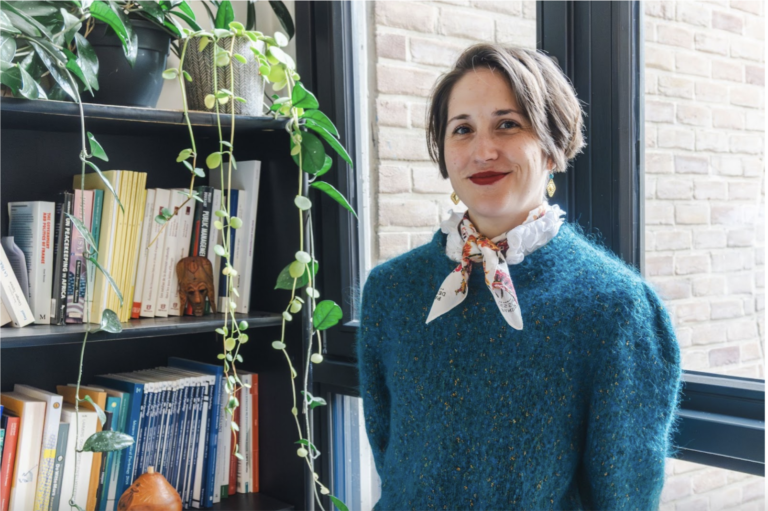
Marion Bertin, ICOFOM chair
One of ICOM’s greatest strengths is that it serves as both a policy-shaping platform for the museum world and a global network for cross-professional exchange and reflection. ICOM bridges geographical divides and brings together the many different ways of thinking about and envisioning museums. Our association also plays a vital role in fostering continuity and dialogue across generations. As we navigate multiple forms of global crisis, ICOM must preserve its ability to connect museum professionals and encourage critical debate, reflection, and dialogue — actively welcoming new voices, particularly from younger generations and minority communities. All of this in service of a shared purpose: to keep building a community united around museums.
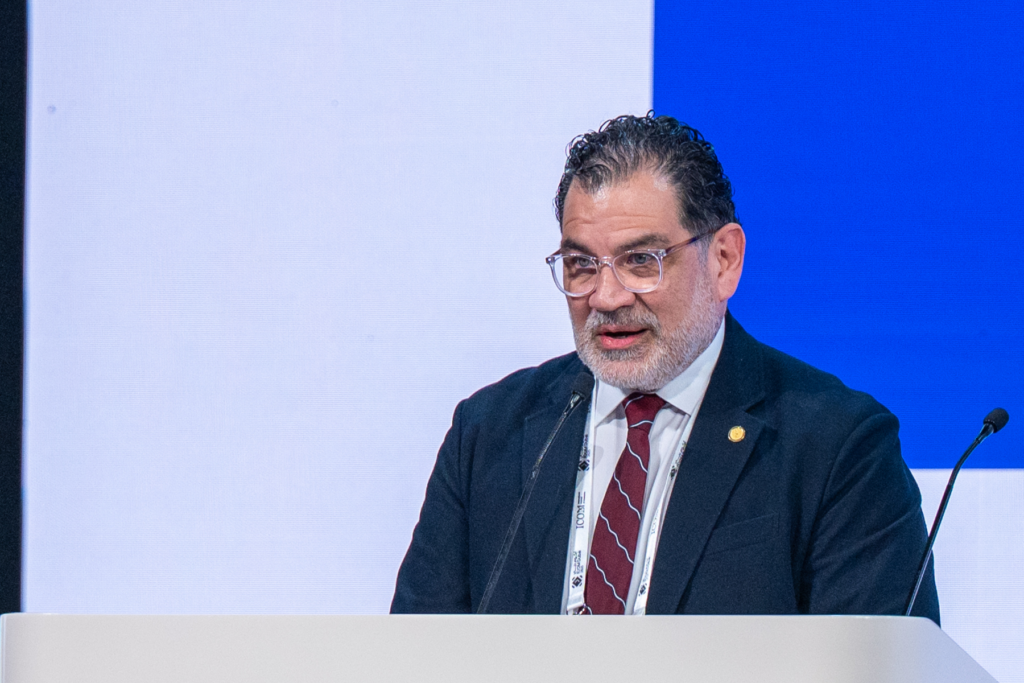
Antonio Rodriguez, ICOM President
Chauncey J. Hamlin’s words, written in the aftermath of war, described a spirit, not yet a structure. This digital exhibition offers us a glimpse into what that spirit made possible: eight decades of remarkable achievement, expansion, and transformation that few could have imagined in that post-war Paris gathering of 1946.
Today, the spirit of ICOM’s first President has become an unparalleled global network with over 67,000 members across 137 countries and territories, with 121 National Committees, 35 International Committees, 7 Regional Alliances and 22 affiliated organisations.
That spirit has become a definition of museum, revised eight times through profound debate. It has become a truly global leadership with new presidents from Africa, Asia, and Latin America and the Caribbean joining European presidents, new committees in underrepresented regions, new international platforms embracing innovative areas of museum practice, new ethical commitments, and new digital connections spanning every time zone.
Eighty years on, the world remains a difficult place. Conflicts continue to threaten cultural heritage, displace communities, and burden the work of museum professionals in ways that remind us how fragile peace can be. And yet, this is precisely why ICOM exists. The achievements of these eight decades tell us something important: the power of museums to generate wellbeing, foster understanding, and build peace in communities around the world does not diminish in hard times. It becomes more important than ever.
As President, my conviction is that our greatest strength is not our size, but our capacity to hold difference together and to act, collectively, in service of something larger than any one museum, nation, or region.
The next chapter of ICOM is ours to write.
Explore ICOM’s Digital Resources
Created in 1948, the ICOM Documentation Centre has now turned digital. The online library provides direct access to a wide range of key documentation, reference materials, and curated resources. The ICOM Members’ Area gives members exclusive access to ICOM’s digital archives, enabling them to explore its history through a diverse collection of unpublished materials, including photographs and posters.
Online library – International Council of Museums – International Council of Museums