Trust, Legacy,
Introduction
Museums are widely recognised as trusted institutions and reliable sources of knowledge. Their credibility rests on professional expertise, ethical principles and their responsibility for preserving, interpreting and transmitting cultural heritage. This trust has been shaped by the work of the international museum community with significant contribution of ICOM. Since 1946, ICOM has contributed to the development of a shared international understanding of museums and their professional responsibilities. At the heart of this commitment lies the recognition that museums’ relationships with collections, people and society must be grounded in ethical principles.
ICOM has worked to establish common professional standards since the beginning. Over the decades, its members have addressed key challenges facing museum professionals, from the development of ethical frameworks and professional training to the protection of cultural heritage and the recognition of museums’ social and educational role.
Drawing on archival materials and examples of renowned initiatives, this chapter traces the historical development of ICOM’s work across these areas. It explores the ideas, discussions, programmes and practical tools through which the organisation has contributed to shaping museum practises and responding to the evolving needs of museums.
The themes presented here highlight ICOM’s most impactful past and ongoing initiatives. While they cannot reflect the full breadth of the organisation’s activities, they offer insight into the evolution of its mission and the collective efforts that have shaped its legacy.
ICOM’s role can be understood through the link between professional standards, and the trust society places in museums. By supporting museum professionals and institutions, ICOM has helped create the conditions that enable museums to remain credible and relevant. This is a mutual trust, rooted in a shared heritage and sustained by a joint commitment between museums and the communities they serve.
Museum Ethics as the Foundation of Public Trust
1946–1970s – Building an International Museum Profession on Ethical Values
ICOM’s Founding Principles: Heritage Protection as an Ethical Imperative for Museums
ICOM was founded in a historical context shaped by the aftermath of the Second World War and growing ethical concerns surrounding the protection, preservation and care of cultural heritage. As a newly established international association of museum professionals, ICOM was entrusted with an important mission: to promote the preservation and protection of cultural heritage as a shared public good, while fostering common principles and objectives to guide museum practice and professional responsibility.
From its earliest years, ICOM recognised the distinctive responsibility of the museum profession in maintaining public trust and safeguarding humanity’s cultural and scientific heritage. This responsibility was inseparable from a broader commitment to knowledge, integrity and service to society.
In the aftermath of a war that had left museums destroyed, collections dispersed and cultural objects looted, the need for international cooperation became increasingly urgent. Establishing mechanisms for the exchange of collections and strengthening legal procedures were essential not only to support the recovery of museum activities but also to prevent the circulation, purchase and acquisition of stolen cultural objects. These early discussions revealed that such matters extended far beyond practical or legal considerations: they lay at the very heart of the moral integrity of museum institutions and the responsibilities entrusted to their directors.
This understanding was already clearly articulated at ICOM’s first interim conference held in Mexico City, as reflected in the following statement (eighth session, 13 November 1947):
“Mr. Bordella calls the attention of all museum directors to these questions, on which depends the moral value of the institutions under their charge.”
Ethics Begins with Acquisition: Laying the Foundations of a Shared Professional Code
The first milestone in the development of an ICOM Code of Ethics emerged alongside UNESCO’s efforts to establish an international framework for cooperation against the illicit trafficking of cultural property.
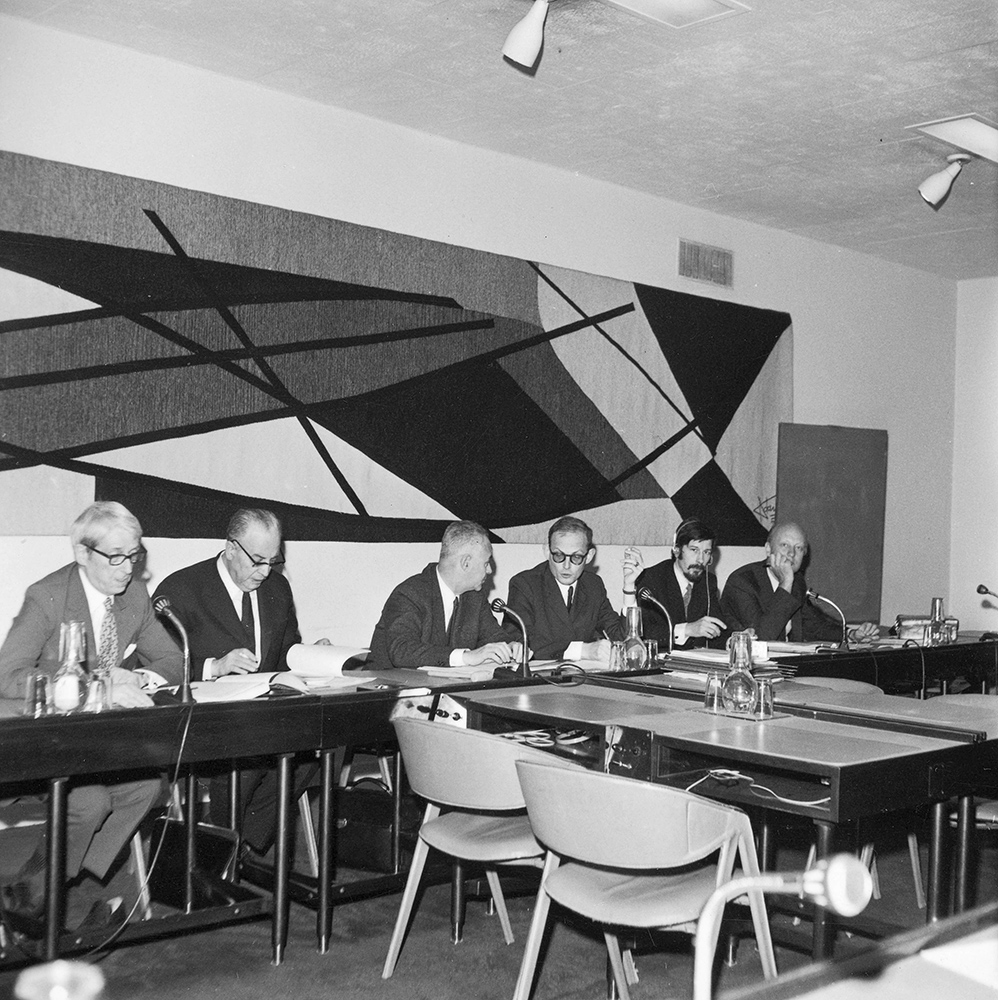
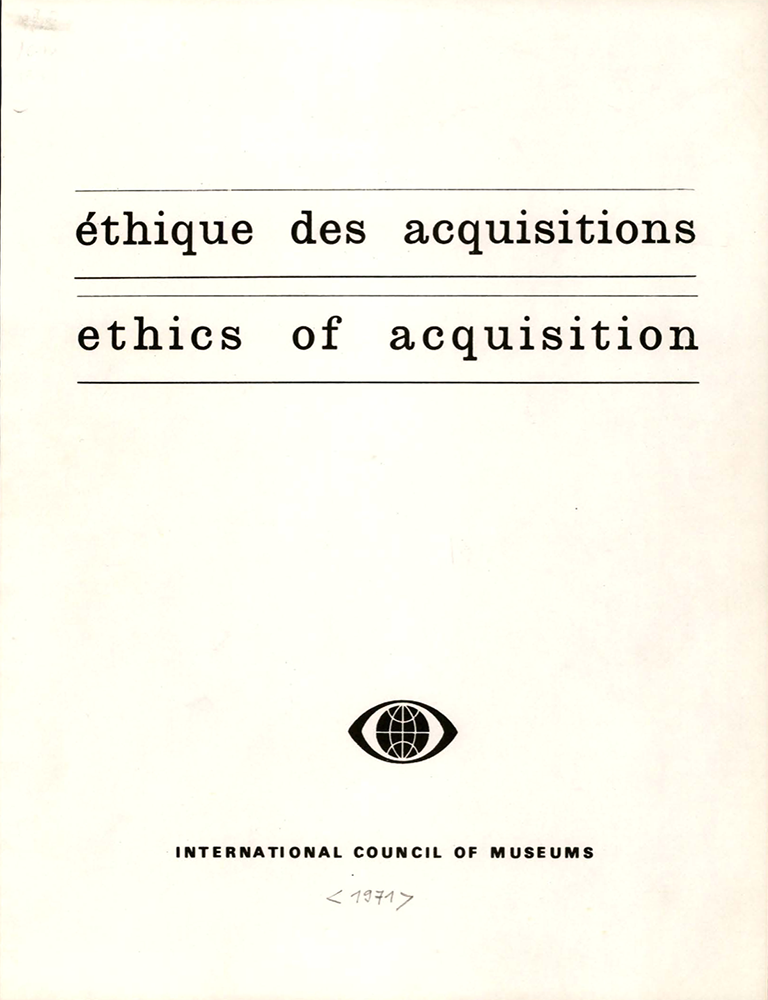
In April 1970, an expert working group established by the ICOM Executive Board convened in Paris to examine the need for ethical standards governing museum acquisitions. Its deliberations resulted in ten recommendations for museums and ten proposals for their implementation, alongside the decision that ICOM should move towards adopting a Code of Ethics specifically addressing acquisitions. Later that year, ICOM published “Ethics of Acquisitions”, encouraging museums to help curb illicit markets by refraining from acquiring objects without reliable documentation or established provenance.
As the recognition of museums’ social responsibilities gained momentum, and the ethical integrity of the museum profession assumed an increasingly prominent role, ICOM’s focus gradually expanded beyond the acquisition and management of collections. Attention turned towards the wider spectrum of museum practice, paving the way for a more comprehensive understanding of professional ethics and the responsibilities of museums towards society.
Legacy — From Professional Standards to a Living Ethical Commitment
1970’s – 1986: Embedding Museum Values in a Formal Ethical Framework
The 11th ICOM General Assembly, held in Copenhagen on 14 June 1974, marked a significant turning point in the organisation’s structure, transforming it from a regulated “federation” of country-based delegates into a more participatory, membership-based organisation. This structural reform reinforced the need for ICOM to respond more attentively to ethical concerns and to establish the highest standards of public accountability as a shared obligation for all those engaged in the museum profession.
In parallel, a revised definition of the museum profession, introduced in Article 5 of the ICOM Statutes, established respect for “a fundamental code of professional ethics” as a defining criterion for professional qualification. This amendment marked a crucial shift in the place of ethical obligations within the profession: adherence to ethical standards was no longer merely an aspiration, but an essential requirement of professional identity and membership in the museum community.
The resolution No.2, as submitted by ICOM Advisory Council requested from the Secretariat and the Documentation Centre to gather all existing material on professional ethics, while the Executive Board appointed a group of experts to prepare a draft code of professional ethics to be distributed to all National and International Committees for their review.
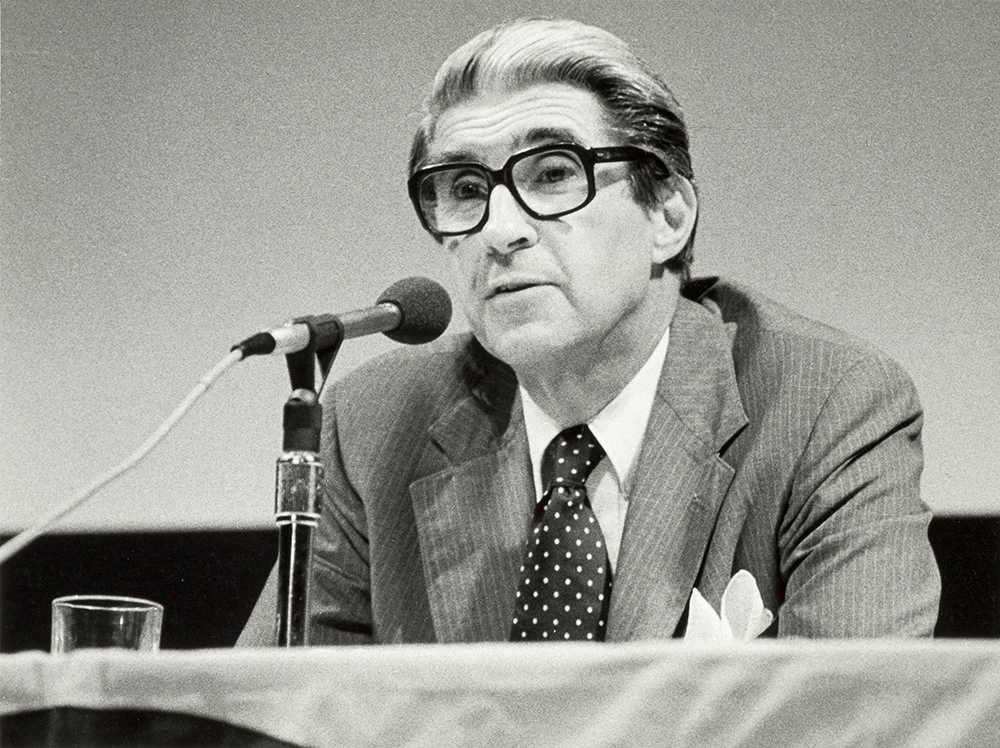
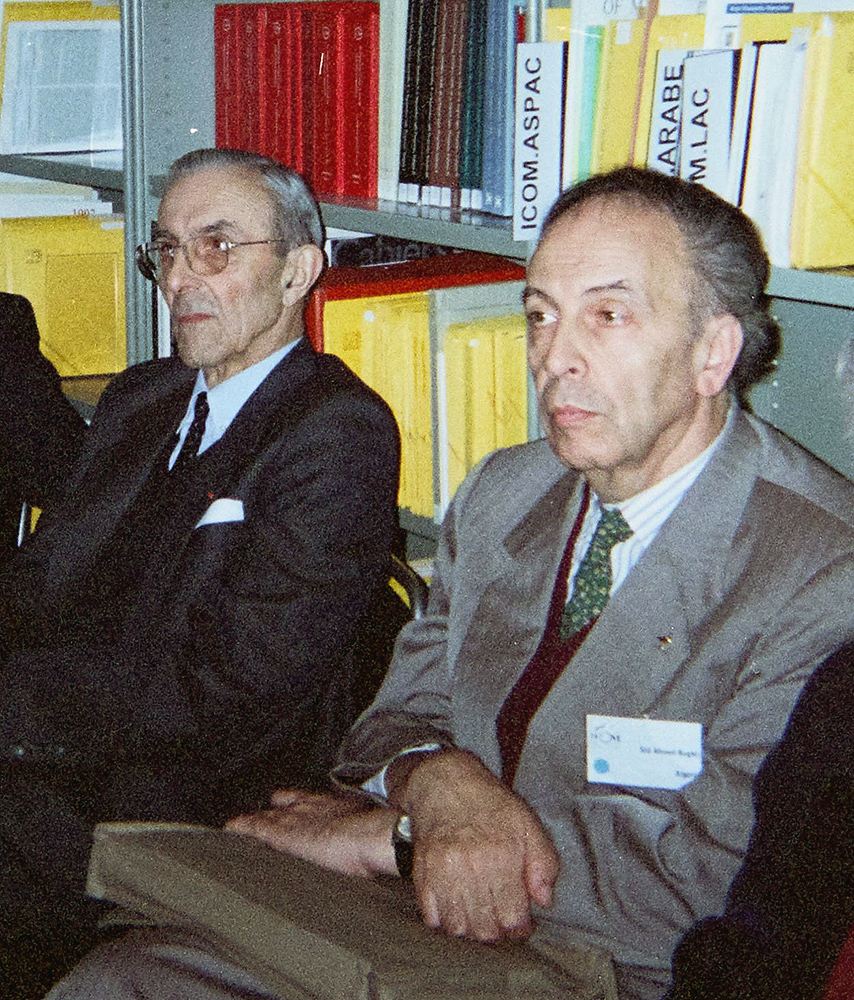
In November 1974, working group member Sid Ahmed Baghli submitted to the ICOM Executive Board a paper entitled “Principes pour l’établissement d’une éthique de la profession muséale” (“Principles for Establishing an Ethics of the Museum Profession”). Moving beyond the ethics of acquisitions and the responsible purchase of collections, the document explored a broader set of ethical principles governing the diverse functions of museums, including research, conservation, deaccessioning, and restitution.
From Responsible Acquisition to Ethical Restitution
In 1977 the Executive Board created an ad hoc Committee to study the question of restitution of cultural objects to the country of their origin. The Committee was instructed not only to examine the technical aspects of the problem, but to define a code of ethics governing the restitution or return of cultural objects to their country of origin, acting as a professional advisor to the UNESCO intergovernmental Committee charged with these questions.
From 1981, 2 successive dedicated working groups were established to draft the first Code of Ethics.
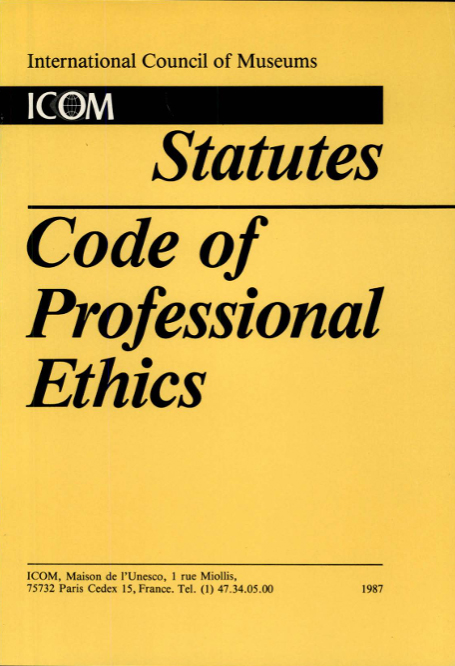
The first ICOM Code of Professional Ethics
On 4 November 1986, the ICOM General Assembly, meeting in Buenos Aires, Argentina, formally adopted the first ICOM Code of Professional Ethics. This landmark achievement established a common ethical framework for museum practice, addressing institutional governance, the acquisition and disposal of collections, and the professional obligations of museum personnel towards collections, the public and the wider museum community.
‘Responsibilities for the care and interpretation of the world’s human and natural heritage have parallels with the medical profession. The ethical standards Hippocrates taught his medical students in 4th-century BC Greece, still acknowledged today, apply to the inanimate heritage: to do no harm, to ensure the subject’s welfare and dignity and to pass on the knowledge gained. The ICOM Code of Ethics provides for the professional integrity and accountability of museums and is intended to foster public trust as they serve society. It is appropriate that the high standards needed for this work, which transcend national and political ideologies, are defined internationally at a non-governmental professional level.’
The Role of Museums in Society – Extending the Scope of Museum Ethics
2001 -2013: A Code for Museums and Their Wider Responsibilities
Following the adoption of the Code, ICOM’s Executive Board appointed a small ad hoc Committee to monitor its progress and some years later, in June 1990 this body was reconstituted as a permanent Standing Committee for Professional Ethics, giving all ICOM members the opportunity to contact it directly on ethical concerns.
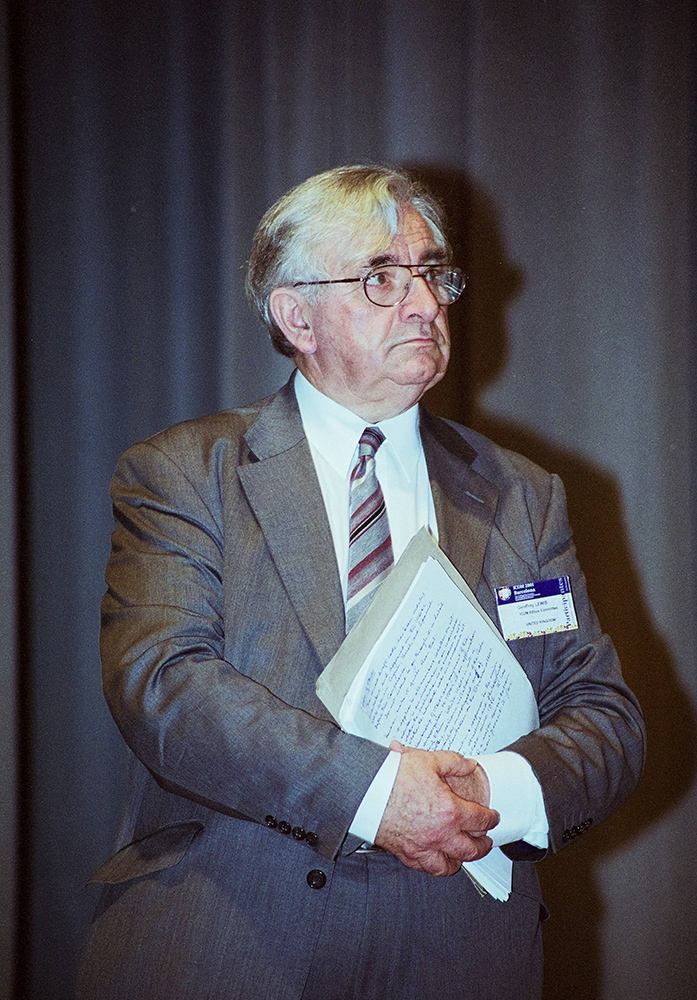
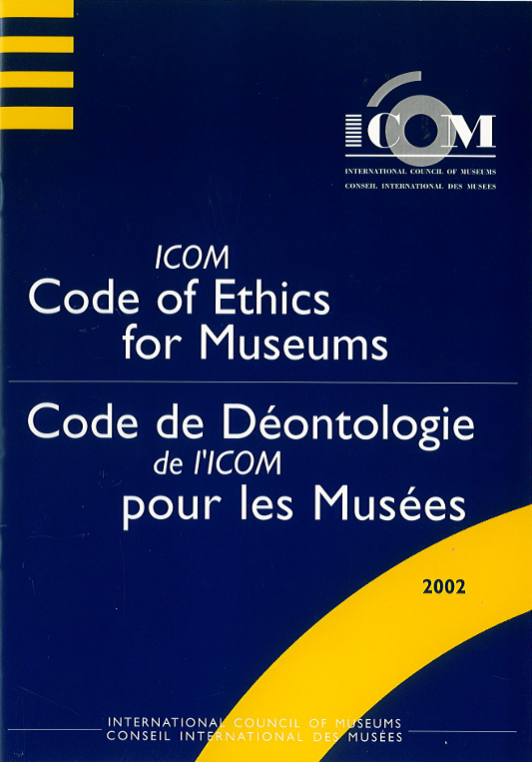
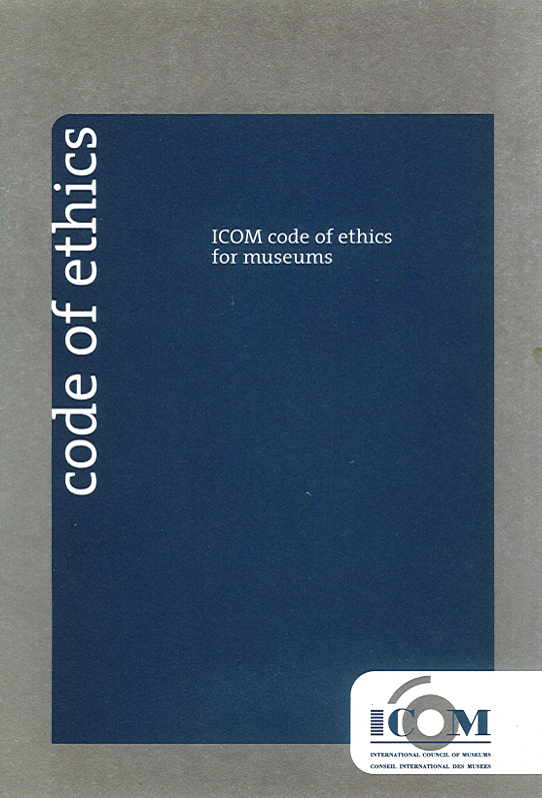
One of the most important milestones in the development of the ICOM’s Code of Ethics came in 2004, when the fully revised and reorganised ICOM Code of Ethics for Museums was adopted by the General Assembly in Seoul, Korea. In 2001, the 1986 Code received a first update, adopted by the General Assembly in Barcelona and served as an interim Code until its full revision in 2004.
The revision of the Code was prompted primarily by profound social and economic transformations affecting both the broader museum landscape and the profession itself. These developments called for a renewed ethical framework, extending its scope beyond the traditional concerns of collections management to encompass the protection of cultural and natural heritage, as well as the recognition of humanity’s living heritage, including its intangible dimensions. The revision also sought to reflect emerging cultural perspectives and increasingly diverse systems of values influencing museum programmes and institutional practices. At the same time, the expansion of fundraising strategies and commercial activities brought new considerations to the relationship between museums, their partners and society, further broadening the scope of their ethical responsibilities.
In August 2013, a separate Code dedicated to the ethics of the Museums of Natural History was adopted by the ICOM General Assembly in Rio de Janeiro, Brazil.
2019 -2026: Reconsidering Ethics in a Changing World
Following its 25th General Conference, held in Kyoto in 2019, ICOM decided to proceed to the Code’s review and if necessary to its revision, in line with the consultation of ICOM members.
The new Definition adopted at the 26th ICOM General Conference in Prague in August 2022 brought forward broader perspectives on the role of museums and their responsibilities towards society, prompting a reconsideration of the ethical principles guiding both museum institutions and the professionals working within and alongside them.
Its recognition of museums as spaces that serve the society, promote diversity and sustainability, and operate with the participation of those communities also reflects an evolving understanding of their societal role. These principles provided an important point of reference for broadening the scope of the revised Code, bringing into sharper focus the ethical dimensions of museum governance, professional practice, social responsibility and engagement with communities.
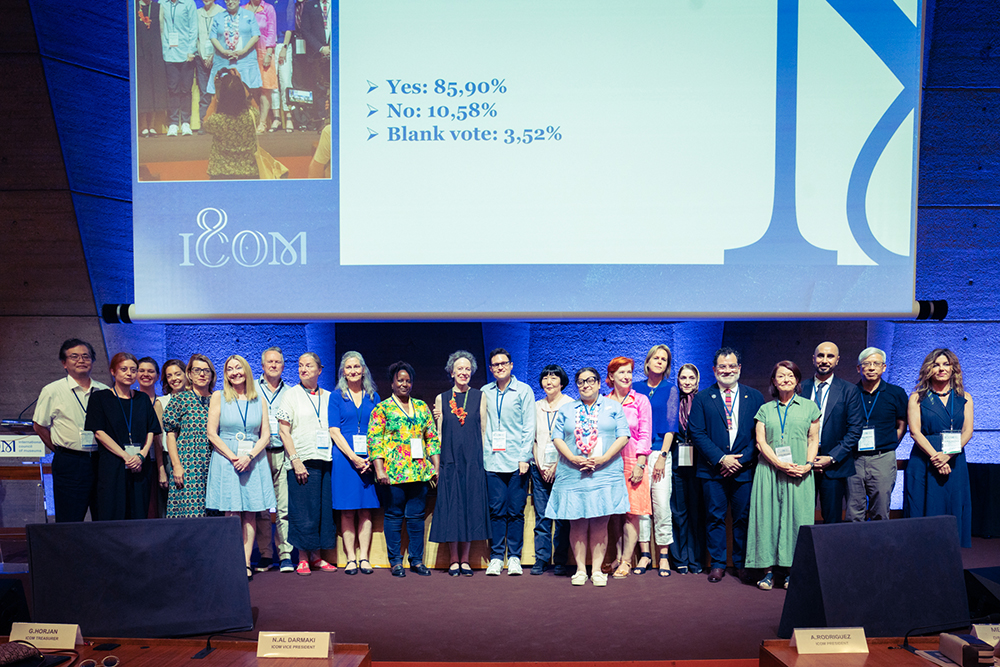
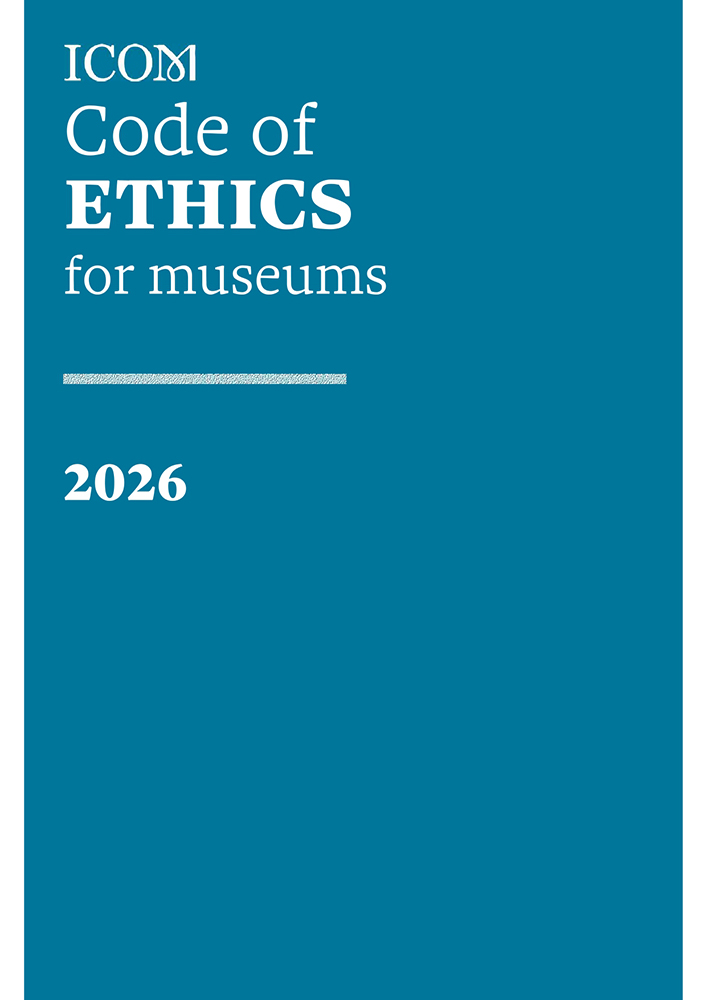
Adopted by the ICOM’s 41st Ordinary General Assembly in June 2026 held in Paris, France, the revised ICOM Code of Ethics for Museums brings together the five interconnected principles of Society, Professionalism, Education, Collections and Governance.
More than a set of professional standards, the Code constitutes a shared commitment to the values that underpin the museum profession and guide its future. It provides an international reference point for addressing emerging ethical challenges, fostering dialogue and strengthening public trust, while reaffirming the responsibility of museums to serve society and safeguard the heritage of humanity for present and future generations.
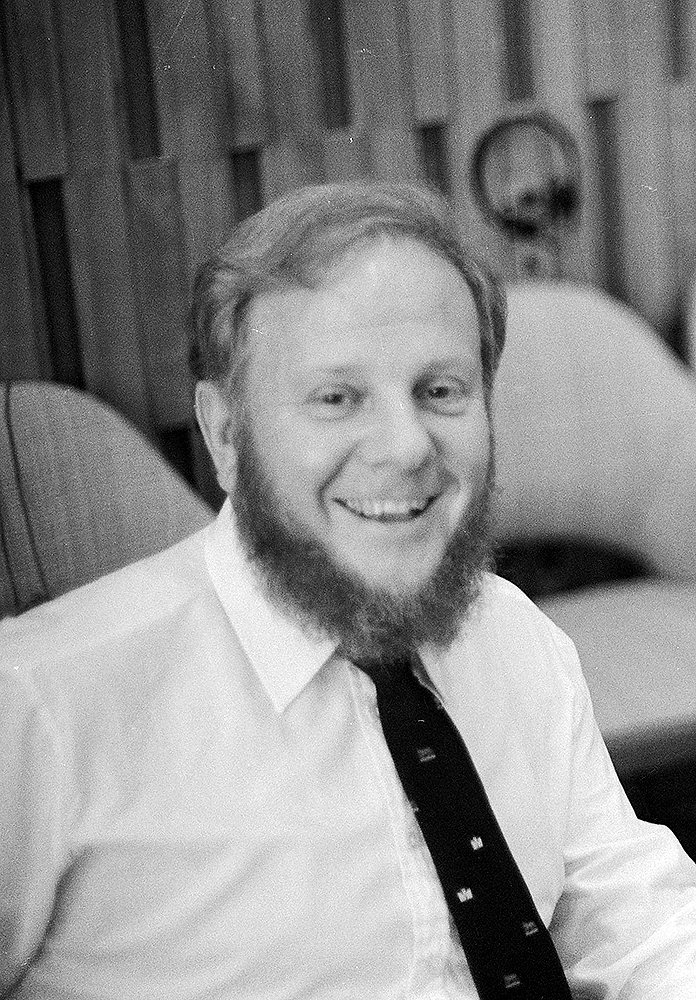
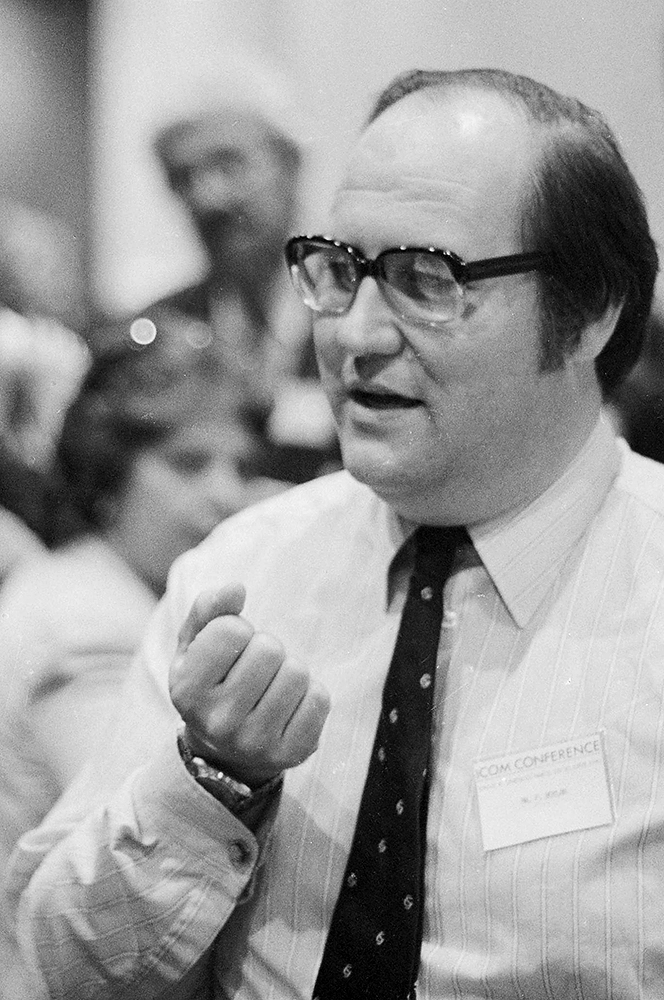
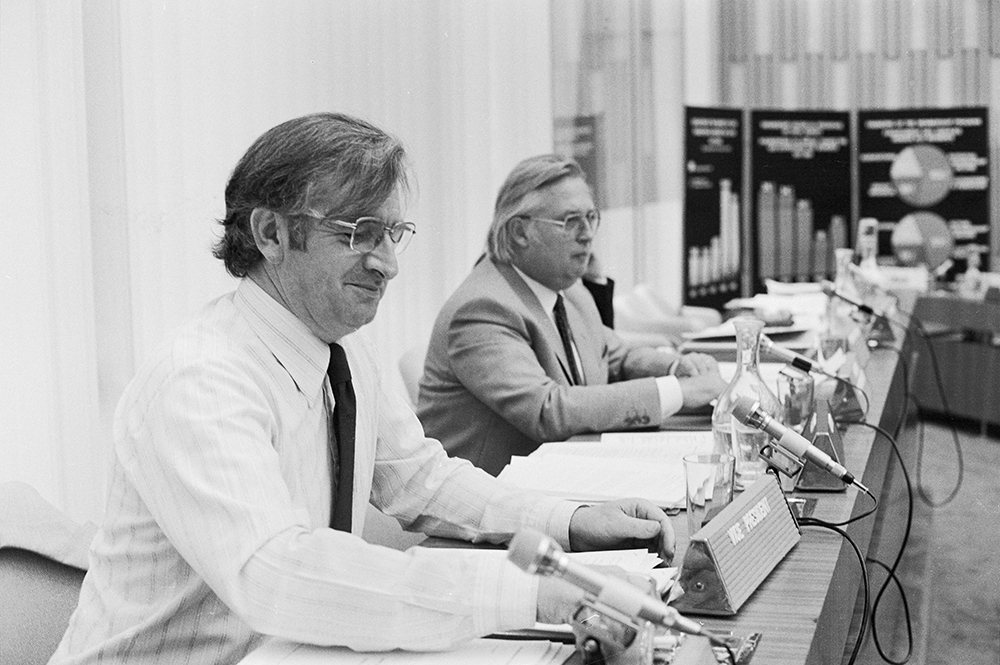
Archival Documents – Museum Ethics
Strengthening the Museum Profession
Building Expertise Through International Cooperation
From International Exchange to Professionalisation (1946–1967)
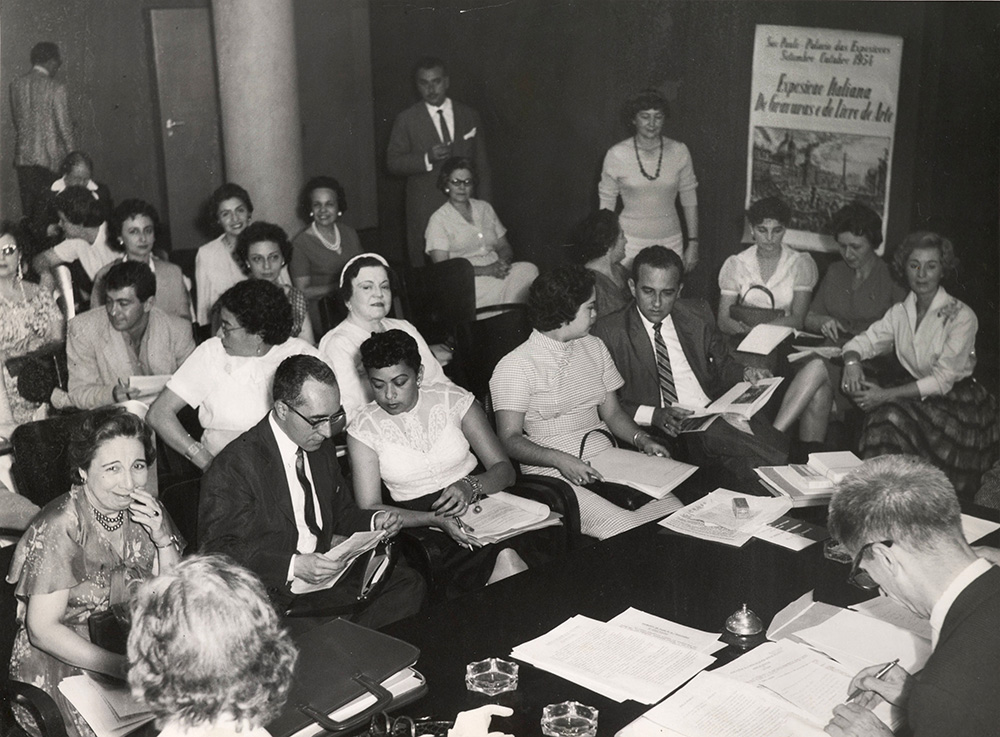
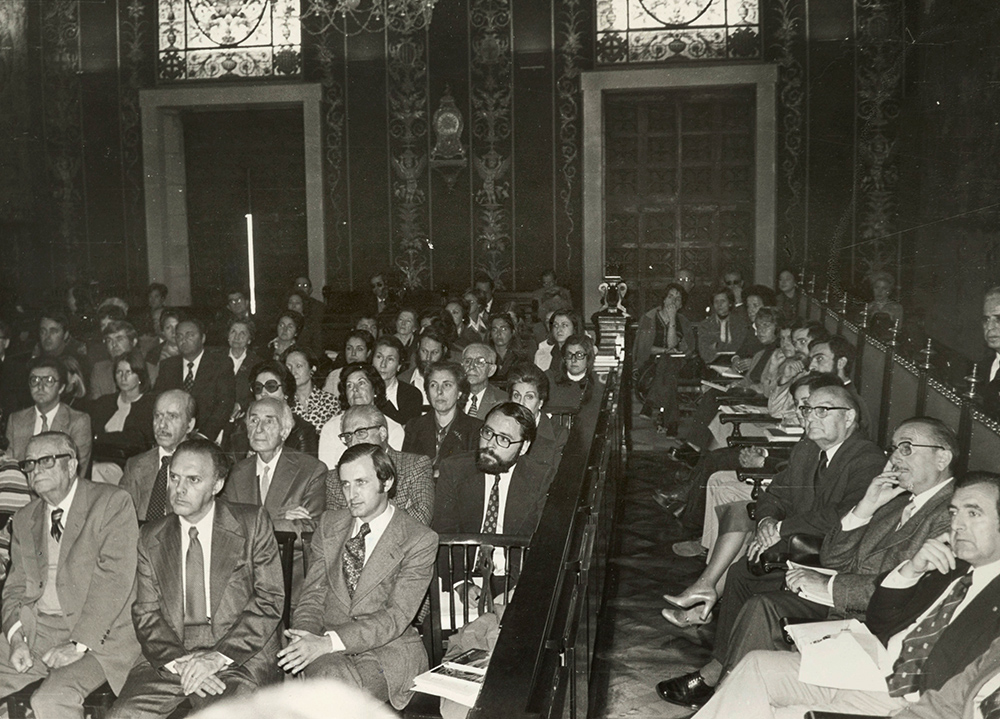
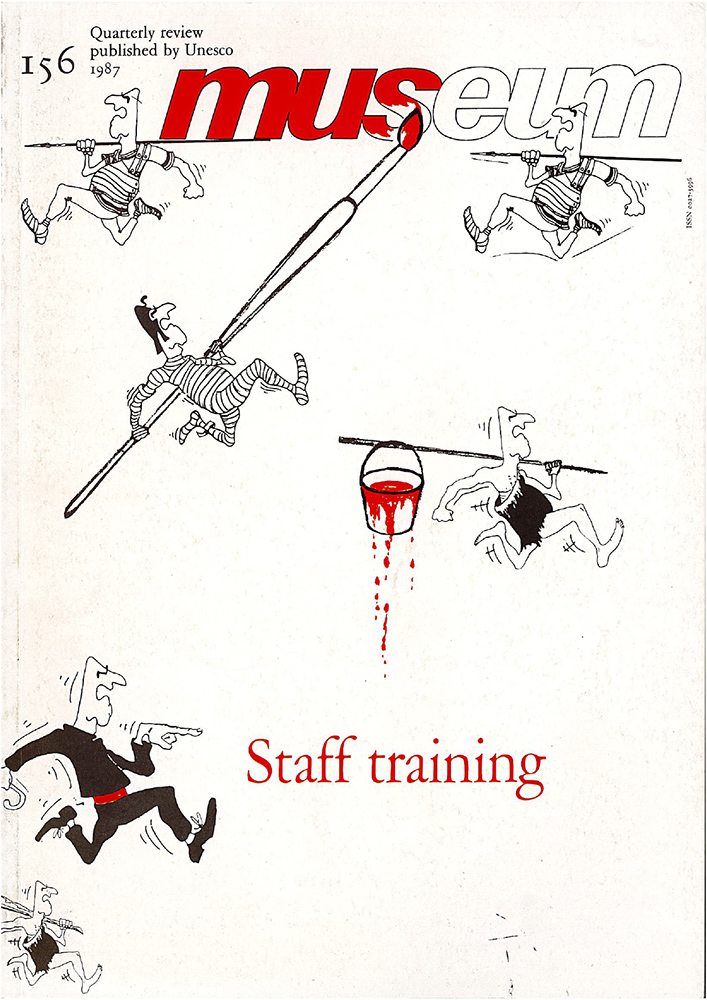
From its foundation in 1946, ICOM placed the training of museum professionals at the heart of international cooperation. Exchanges of information and expertise, alongside the identification of professional needs, helped shape early discussions on qualifications, working conditions and the skills required in museums. Through its committees and collaboration with UNESCO, ICOM promoted international and regional seminars and encouraged the development of training opportunities tailored to different national contexts. The 1965 General Conference, devoted to the training of museum personnel, marked an important step towards recognising museology as a field requiring both theoretical knowledge and practical experience.
Structuring Museum Training (1968–1989)
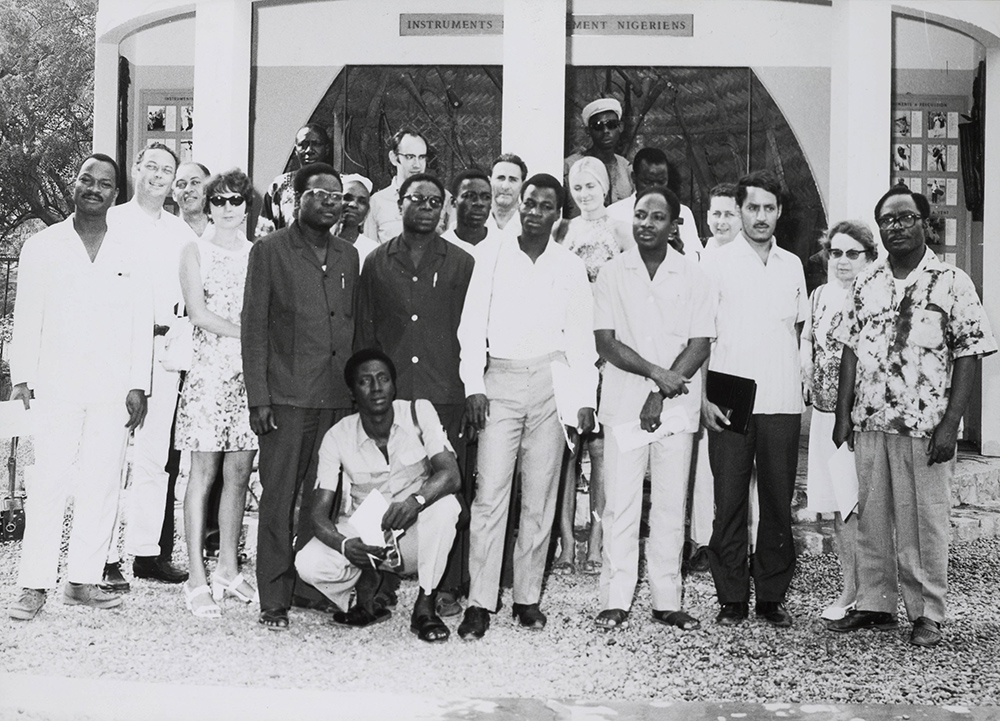
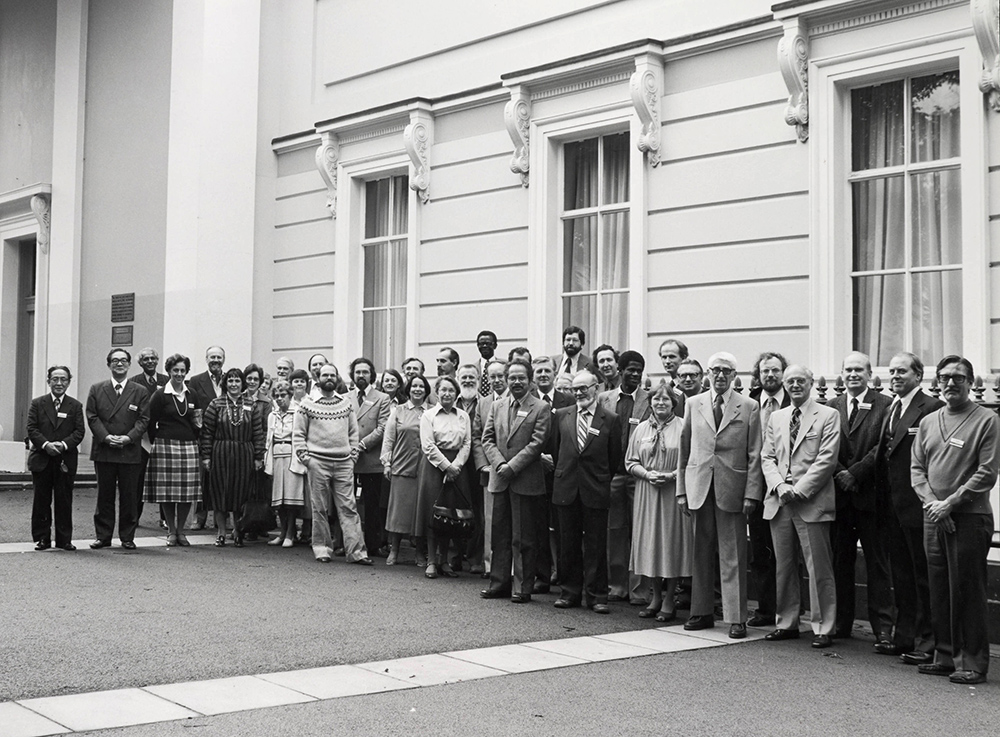
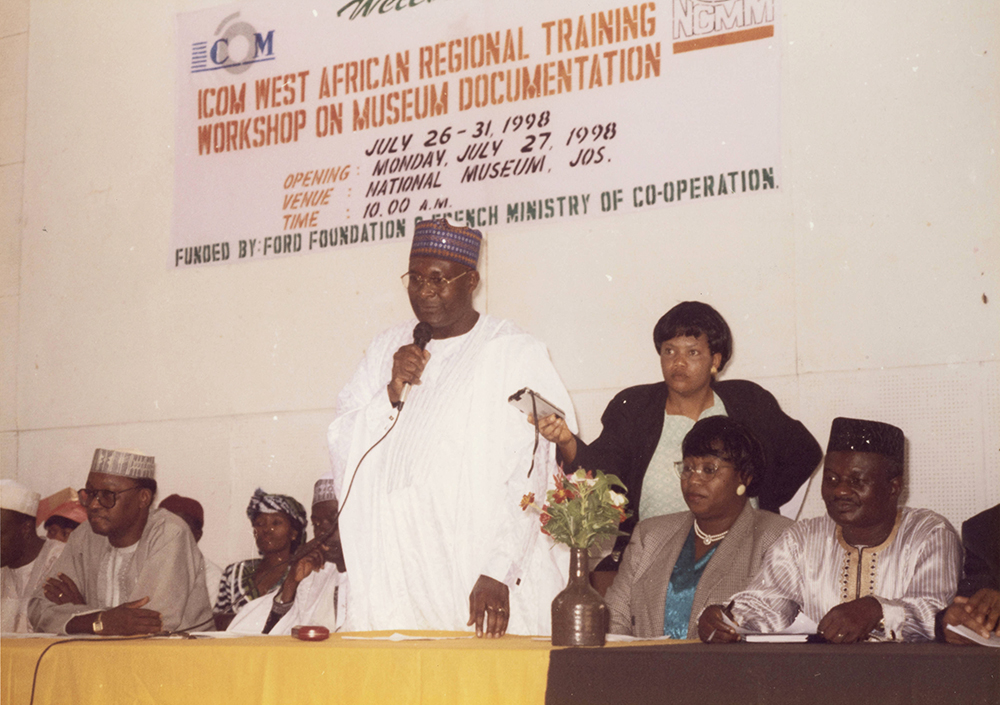
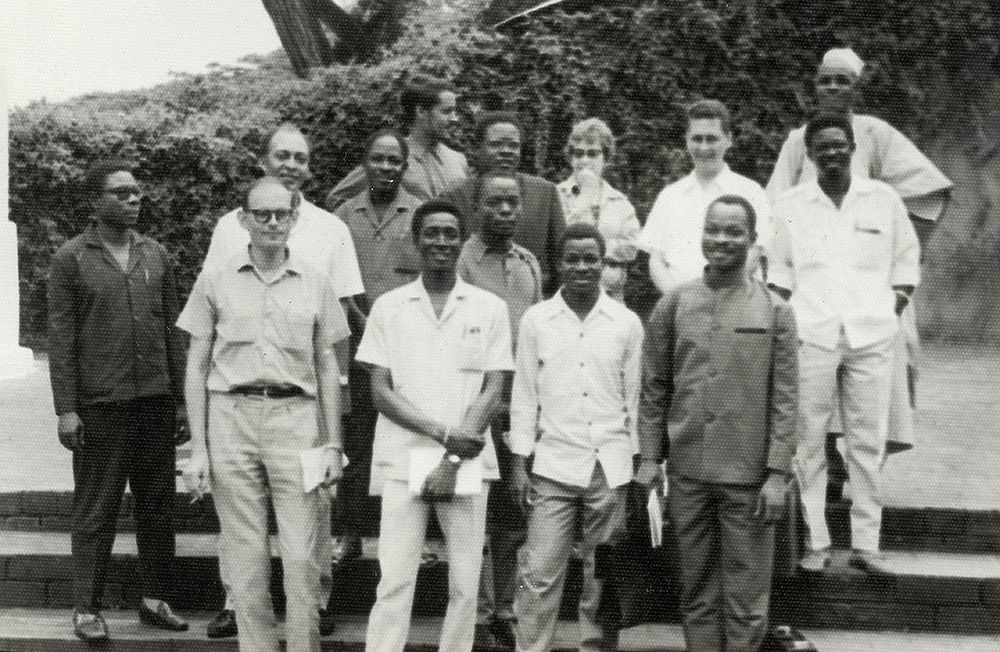
The establishment of ICTOP, the International Committee for the Training of Personnel, in 1968, followed by the creation of the ICOM Training Unit in 1969, marked a new phase in ICOM’s approach to professional development. Efforts increasingly focused on documenting training opportunities worldwide, developing shared curricula, and supporting the recognition of museology as an academic discipline. Initiatives such as the training centre in Jos, Nigeria, and the publication of international surveys and training syllabuses contributed to these objectives. During the 1980s, ICOM also increasingly emphasised continuing education, management training and career development, recognising that professional learning must evolve alongside the changing responsibilities of museums.
Regional Capacity Building and International Partnerships (1990–today)
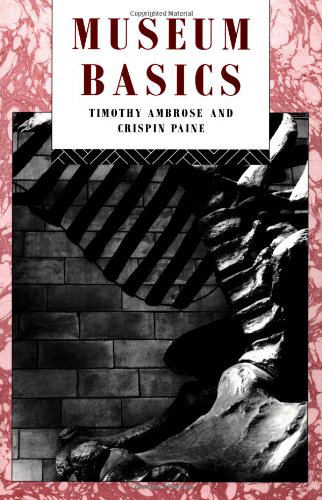
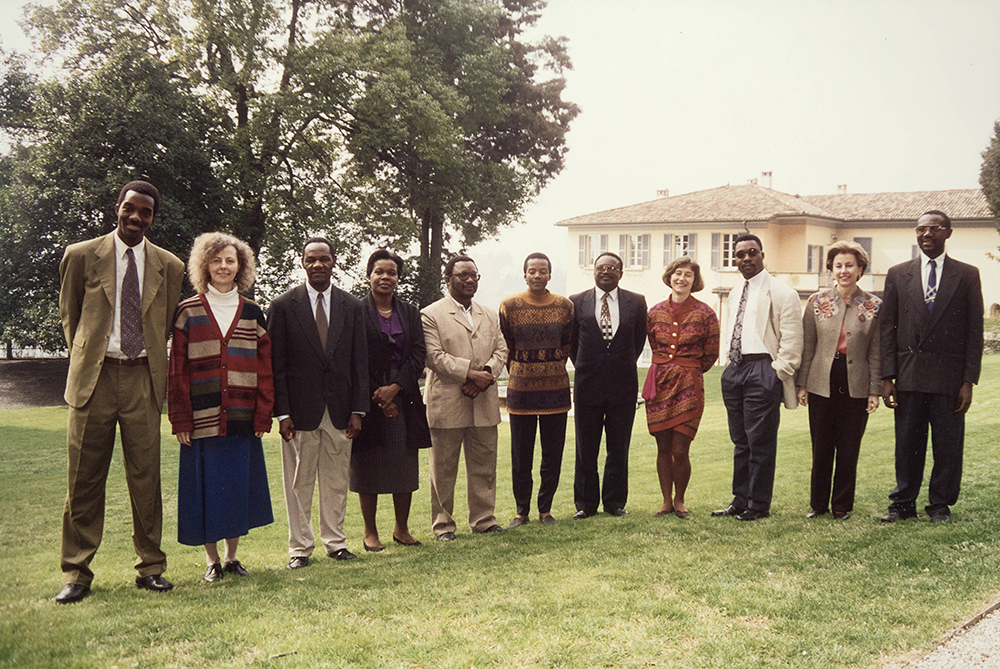
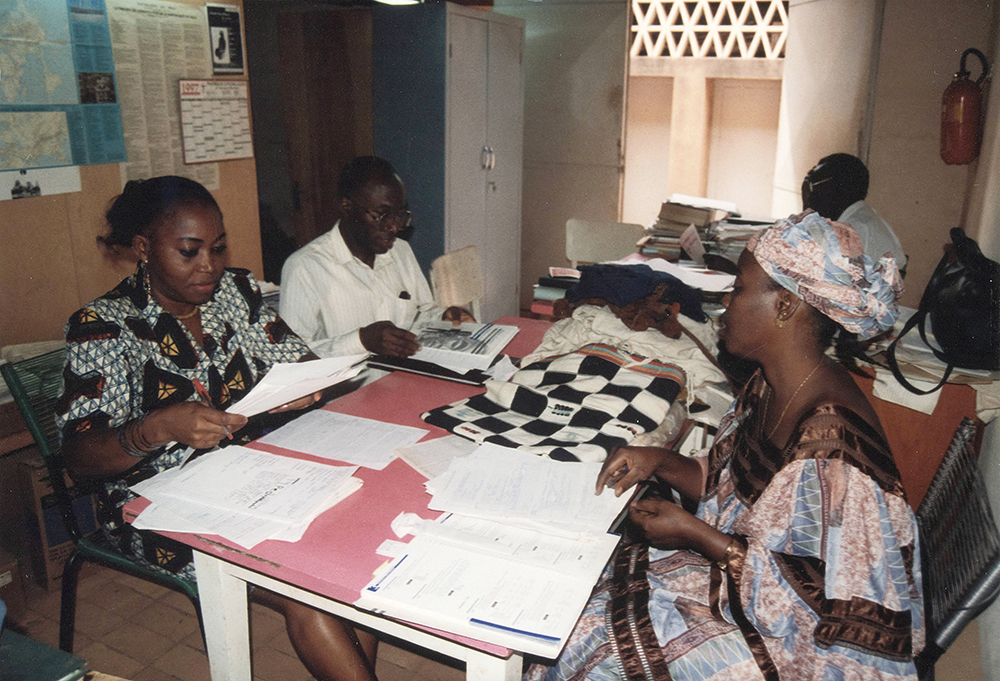
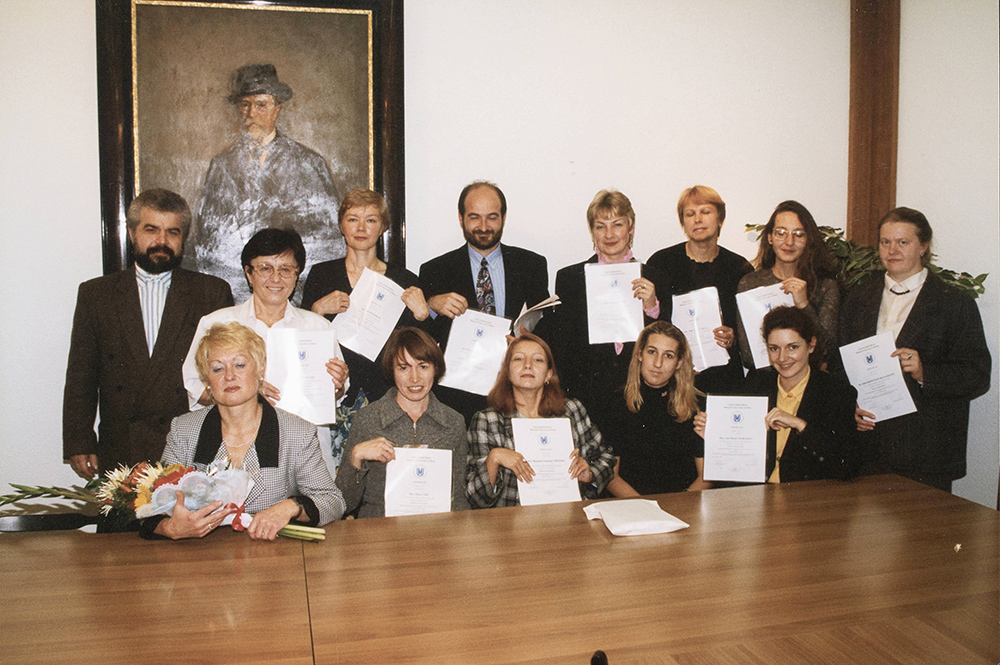
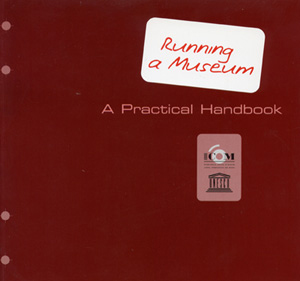
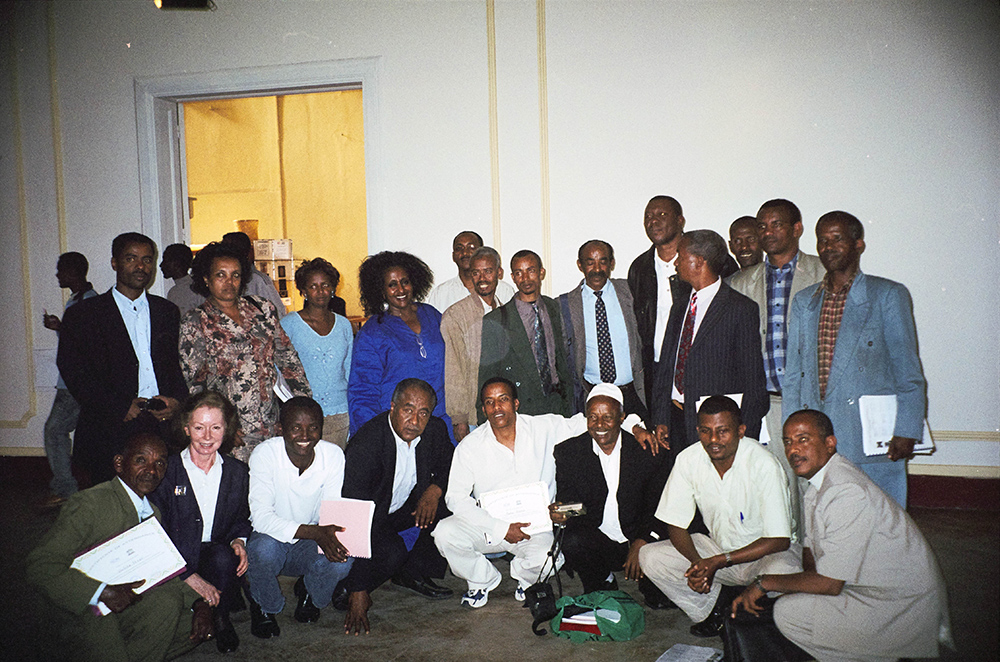
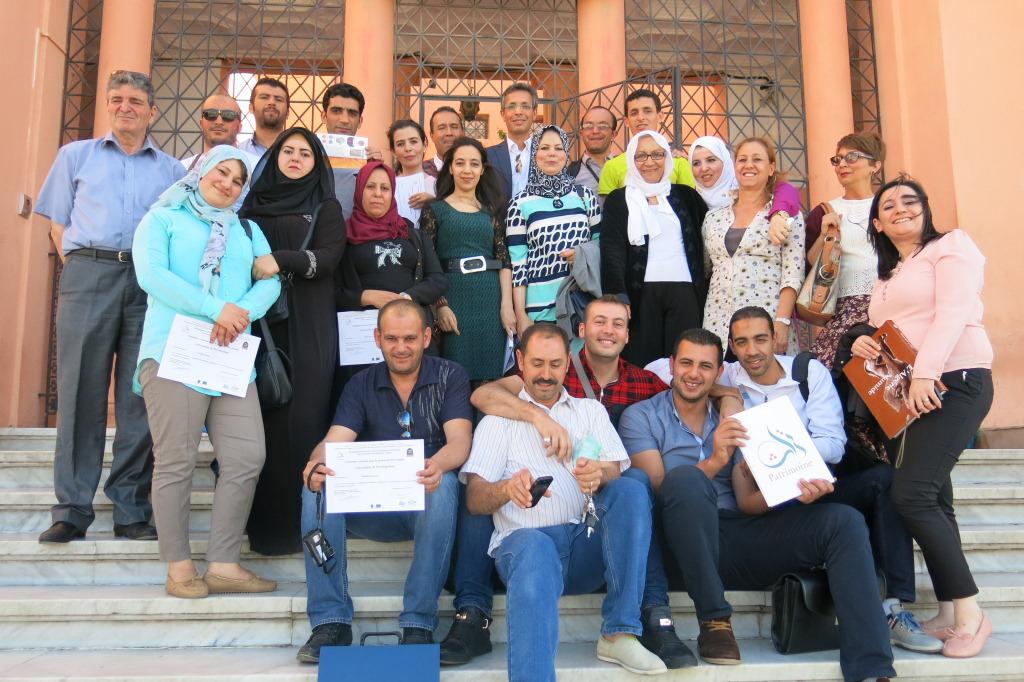
From the 1990s onwards, ICOM’s training activities increasingly combined practical resources with regional workshops and programmes developed in collaboration with National Committees, International Committees, and institutional partners. Initiatives across Africa, Latin America and other regions addressed specific professional needs, while publications such as Museum Basics (1993) and UNESCO-ICOM’s Running a Museum: A Practical Handbook (2004) helped disseminate practical knowledge on museum work and management. Training also addressed specialised challenges, including heritage protection and museum security, as the profession responded to changing institutional and social contexts.
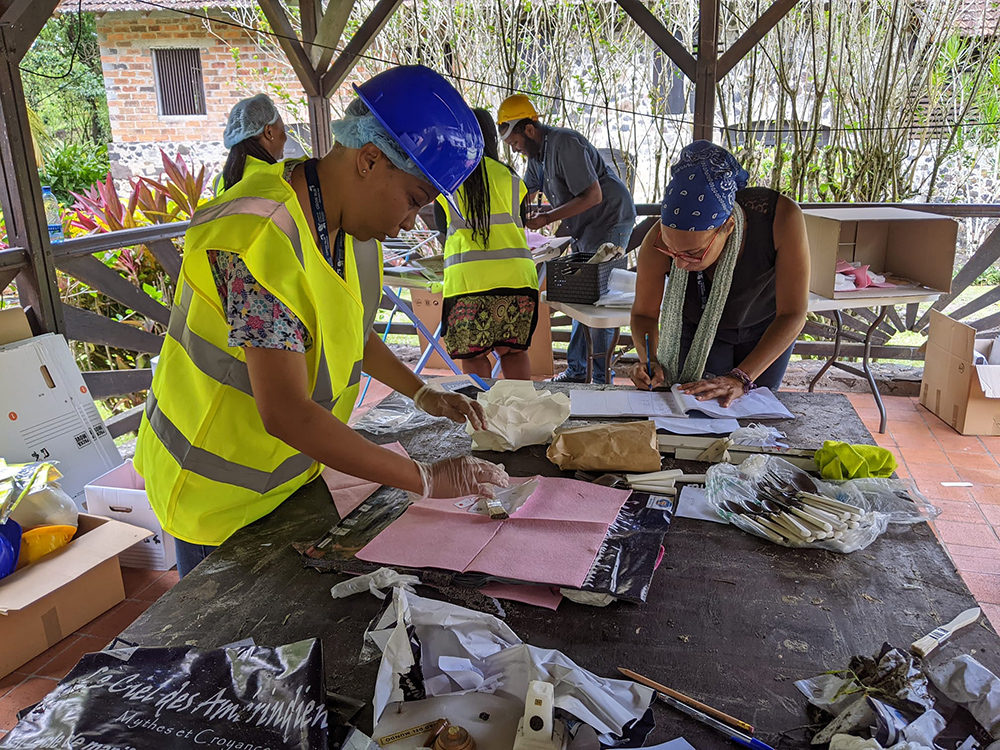
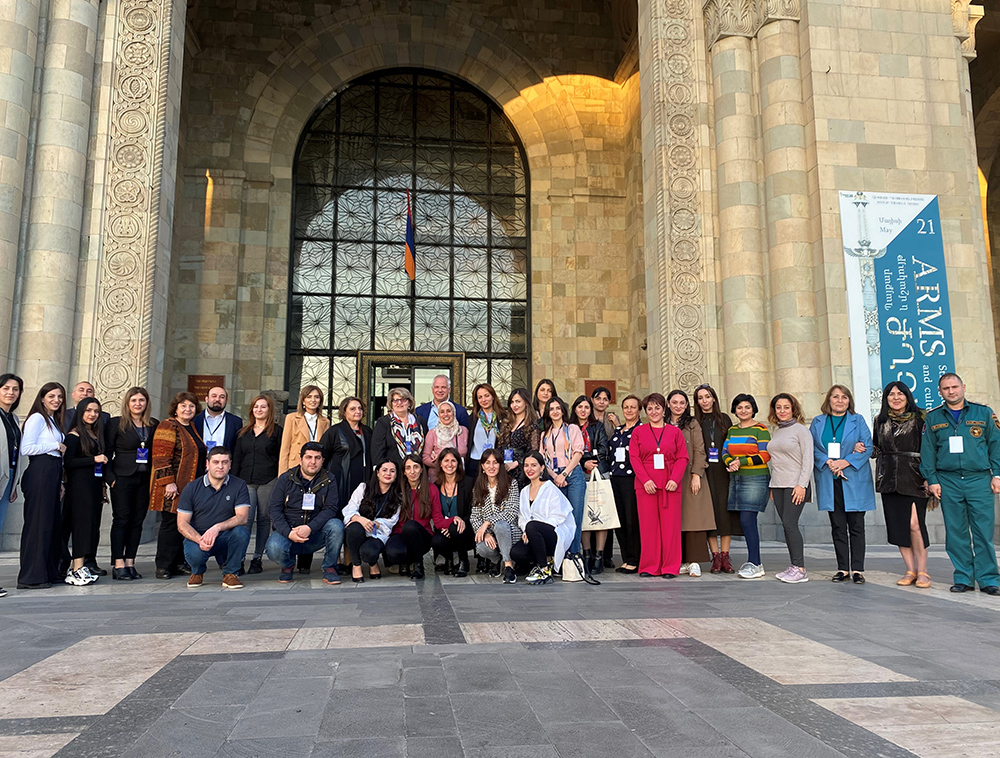
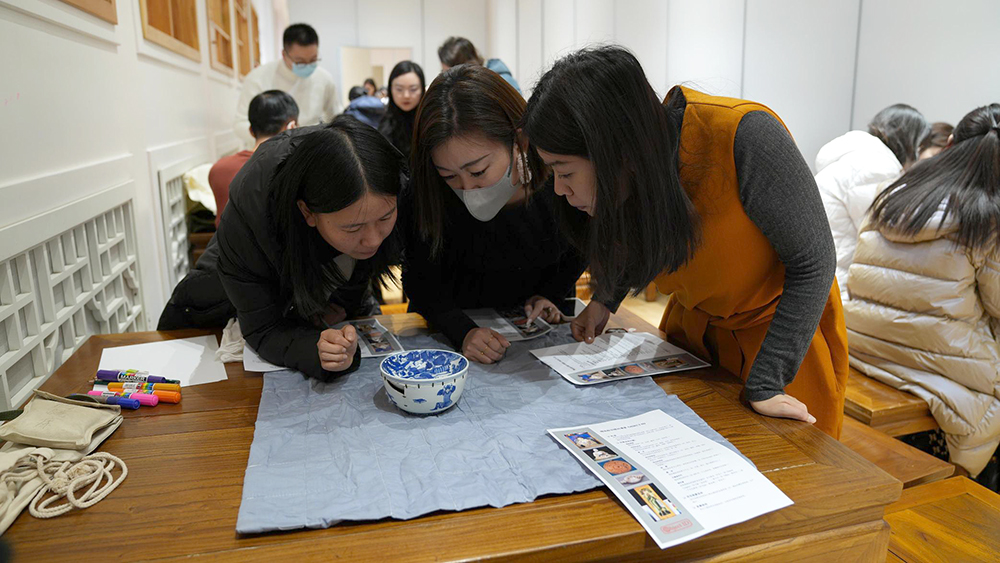
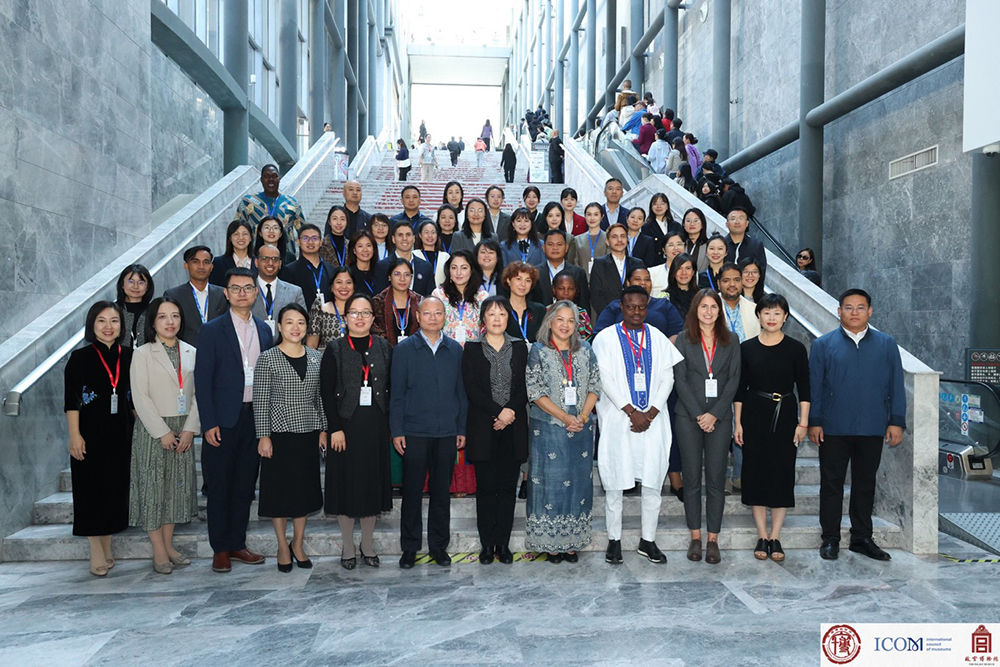
Since 2013, the ICOM Secretariat has further developed this approach through international partnerships. The International Training Centre for Museum Studies (ICOM-ITC), established in partnership with ICOM China and the Palace Museum in Beijing, provides opportunities for professional learning and exchange. Regional Training Workshops, launched in 2018, and Exchange Programmes, introduced in 2019, further support practical learning, peer-to-peer collaboration and regional cooperation. By creating opportunities for museum professionals to share expertise and learn from one another within different institutional contexts, these programmes echo the spirit of exchange that shaped ICOM’s early years, reaffirming international cooperation as a cornerstone of professional development. In 2021, the launch of ICOM-IMREC in partnership with Shanghai University extended these efforts into academic education and research in cultural heritage, including opportunities for ICOM members to pursue postgraduate studies.
Archival Documents – Professional Training
A Shared Responsibility: ICOM and the Protection of Cultural Heritage
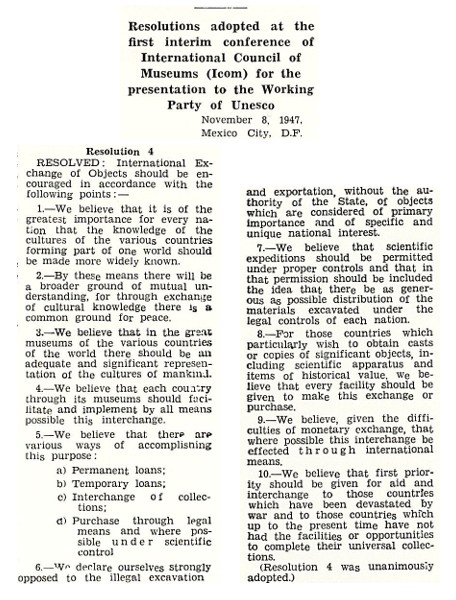
From its foundation ICOM championed international cooperation as a means of fostering mutual understanding and peace through the exchange of cultural knowledge. Its early commitment was reflected in Resolution No. 4 of its first General Assembly in Mexico, which encouraged the international exchange of museum objects through loans, exchanges and lawful acquisitions, while firmly opposing illegal excavations and the unauthorised export of objects of national significance. By advocating responsible exchange, scientific cooperation and solidarity, particularly with countries devastated by war, ICOM laid early the foundations for its enduring engagement in the protection of cultural heritage.
Heritage under Fire: Defending Cultural Memory in Times of Conflict
Armed conflicts place museums, collections and cultural institutions at grave risk, threatening not only material heritage but also the historical memory and cultural identity of communities. During the wars in the former Yugoslavia, and particularly the siege of Sarajevo, ICOM raised its voice against the deliberate destruction of cultural heritage and mobilised international solidarity in support of endangered museums and their professionals.
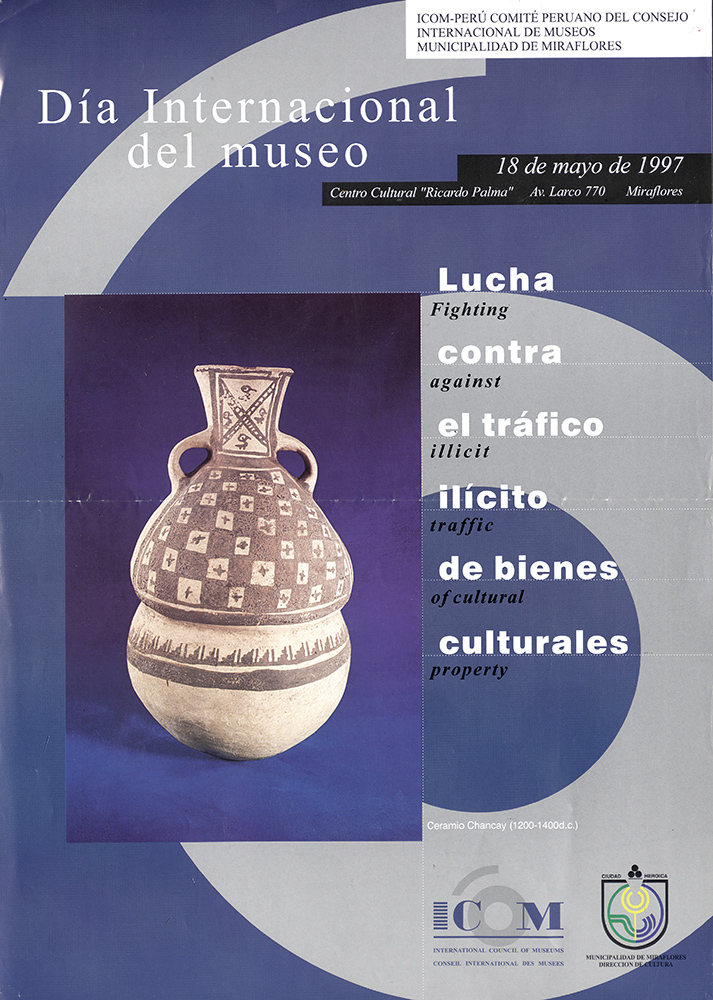
A landmark moment came in July 1995, when ICOM’s General Assembly in Stavanger adopted Resolution No. 2, explicitly condemning the destruction of cultural heritage and expressing solidarity with the staff of the National Museum of Sarajevo, who continued to safeguard irreplaceable collections under extremely dangerous conditions. The resolution called for practical, moral and financial assistance to museums affected by armed conflict.
This commitment was further translated into action through the ICOM mission to Sarajevo in December 1996, led by then President Jacques Perot and Secretary General Elisabeth Ponsolle des Portes, whose report to the European Commission documented the impact of war on museums and cultural heritage in Bosnia and Herzegovina.
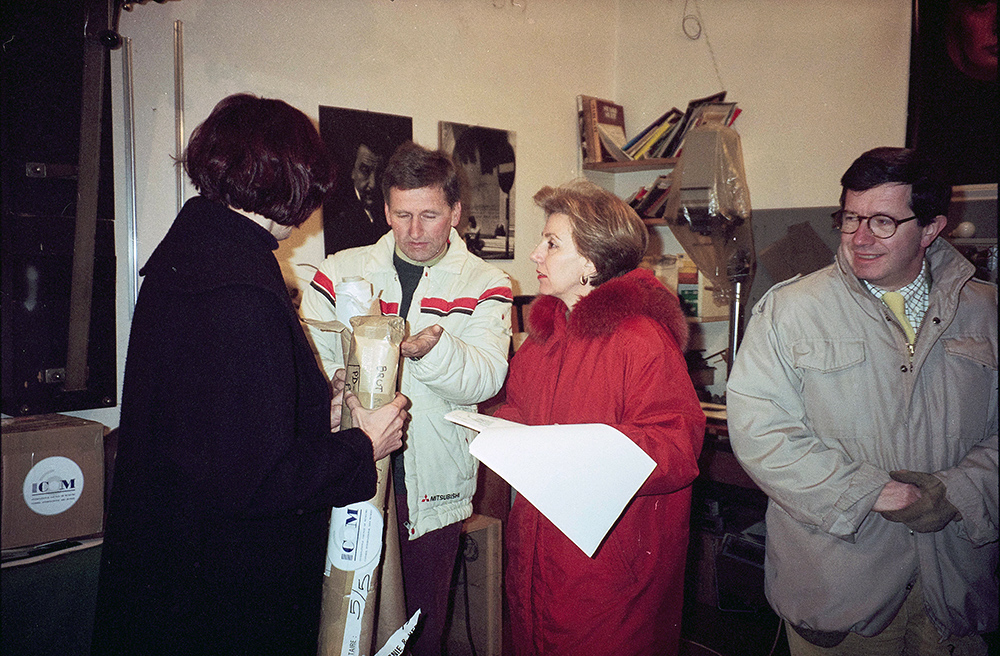
ICOM Mission to Sarajevo 1996, testimony by Elisabeth des Portes
For the first time in our organisation’s history, in 1995, the Secretariat was called upon to organise practical action to assist museums in distress, enabling ICOM to demonstrate its solidarity with colleagues in a tangible way and to intervene directly in the field.
Our first priority was to ensure that we responded effectively to the needs of our colleagues. Thanks to ongoing contact with the President of the National Committee, we were able to draw up a list of the equipment and materials required for the restoration of damaged collections.
The connections of Jacques Perot, Chairman of the Advisory Committee and Director of the Musée de l’Armée in Paris, enabled us to travel by military aircraft to Mostar and then by armoured vehicle to Sarajevo, at the heart of a country under bombardment and riddled with landmines. Crossing Sarajevo’s main avenue while avoiding sniper fire from rooftops was a challenge none of us will ever forget.
Our meeting with the National museum’s director and curators was deeply moving. Jacques and I were profoundly impressed by the efforts they had made to protect their heritage, often at great personal risk. Their dedication deserves our highest tribute.
Elisabeth des Portes, Former Secretary-General of ICOM Paris, November 2026
Preventing Loss, Protecting Heritage: The Fight Against Illicit Trafficking
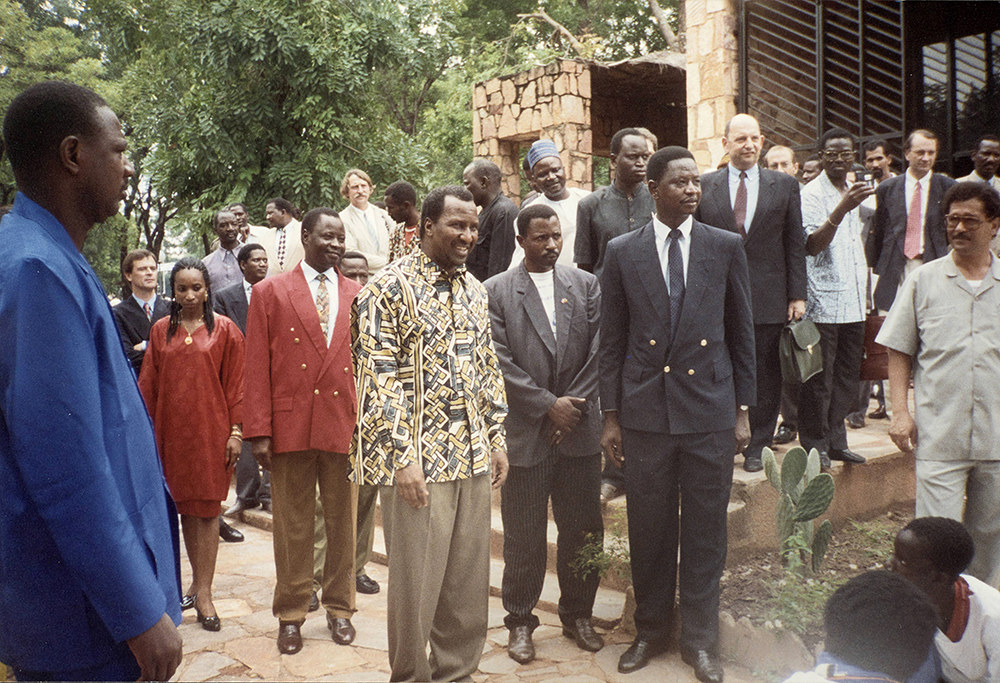
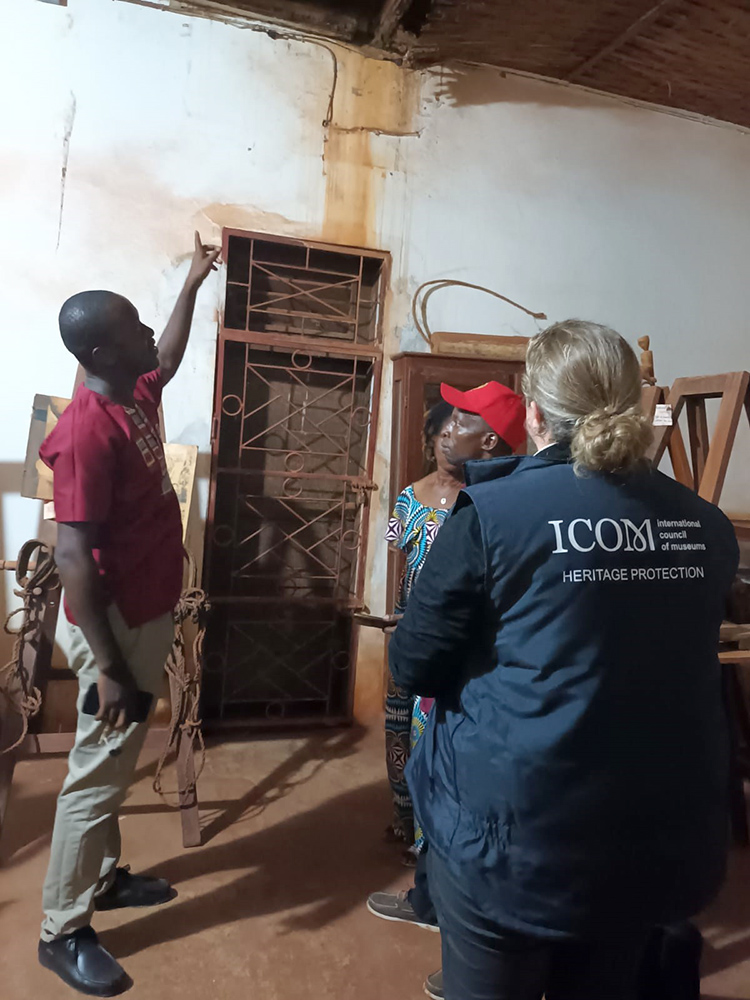
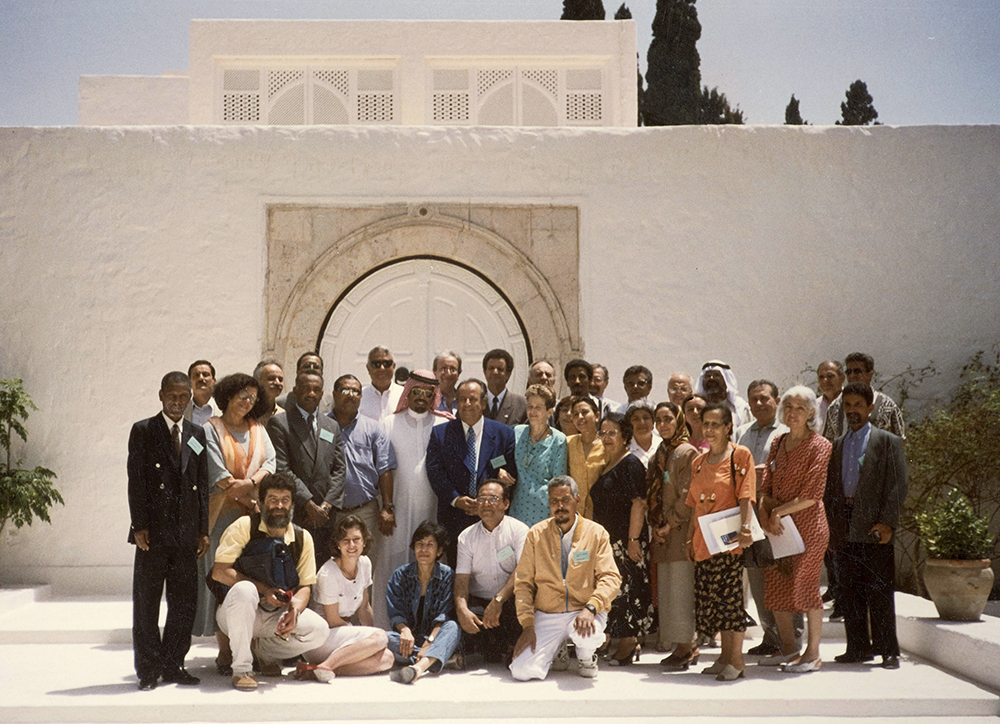
From the early 1990s onwards, ICOM intensified its efforts to combat the illicit trafficking of cultural property, moving beyond awareness-raising and advocacy towards practical international cooperation. In partnership with UNESCO, it initiated a series of regional workshops bringing together museum professionals, heritage authorities and representatives of law-enforcement agencies to address the illegal excavation, theft and export of cultural objects.
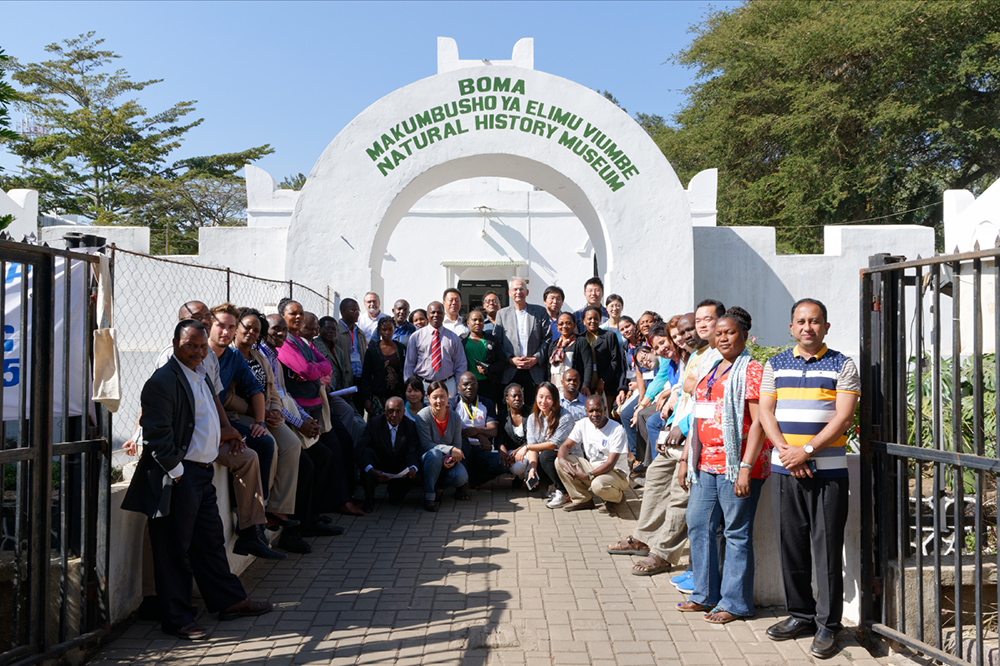
These initiatives included workshops in Arusha (Tanzania, 1993), Bamako (Mali, 1994), Cuenca (Ecuador, 1995), Kinshasa (Zaire, 1996) and Hammamet (Tunisia, 1998). They provided regional platforms for exchanging expertise, strengthening national legislation, improving museum security and inventories, and developing mechanisms for tracing and recovering stolen objects. Their proceedings also helped consolidate a shared international approach to the protection of cultural property.
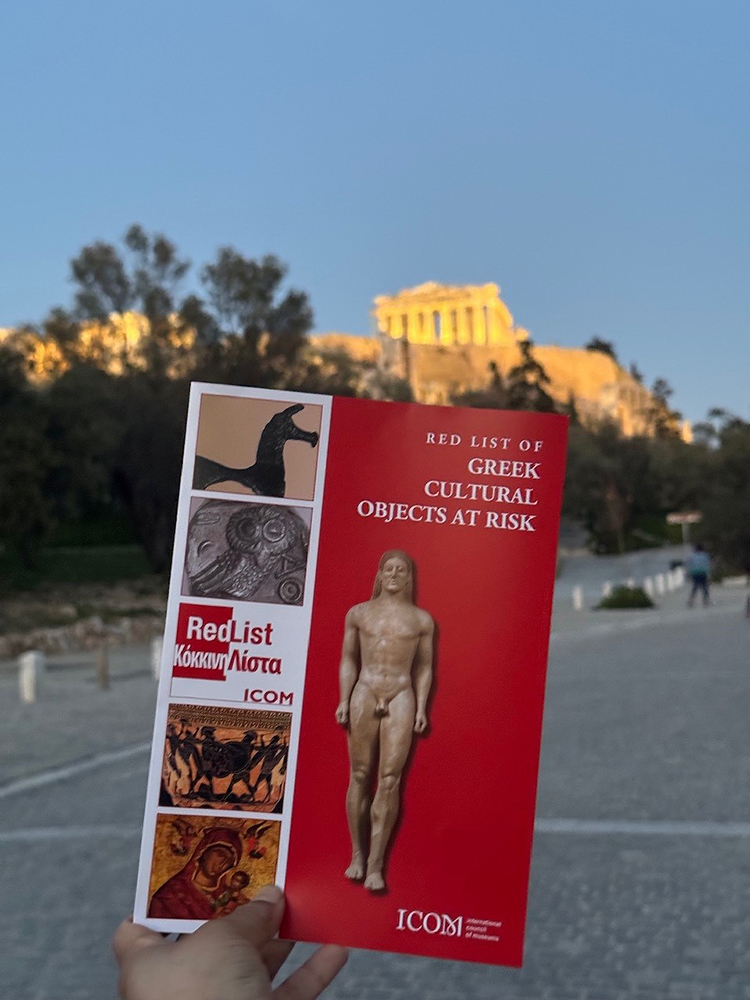
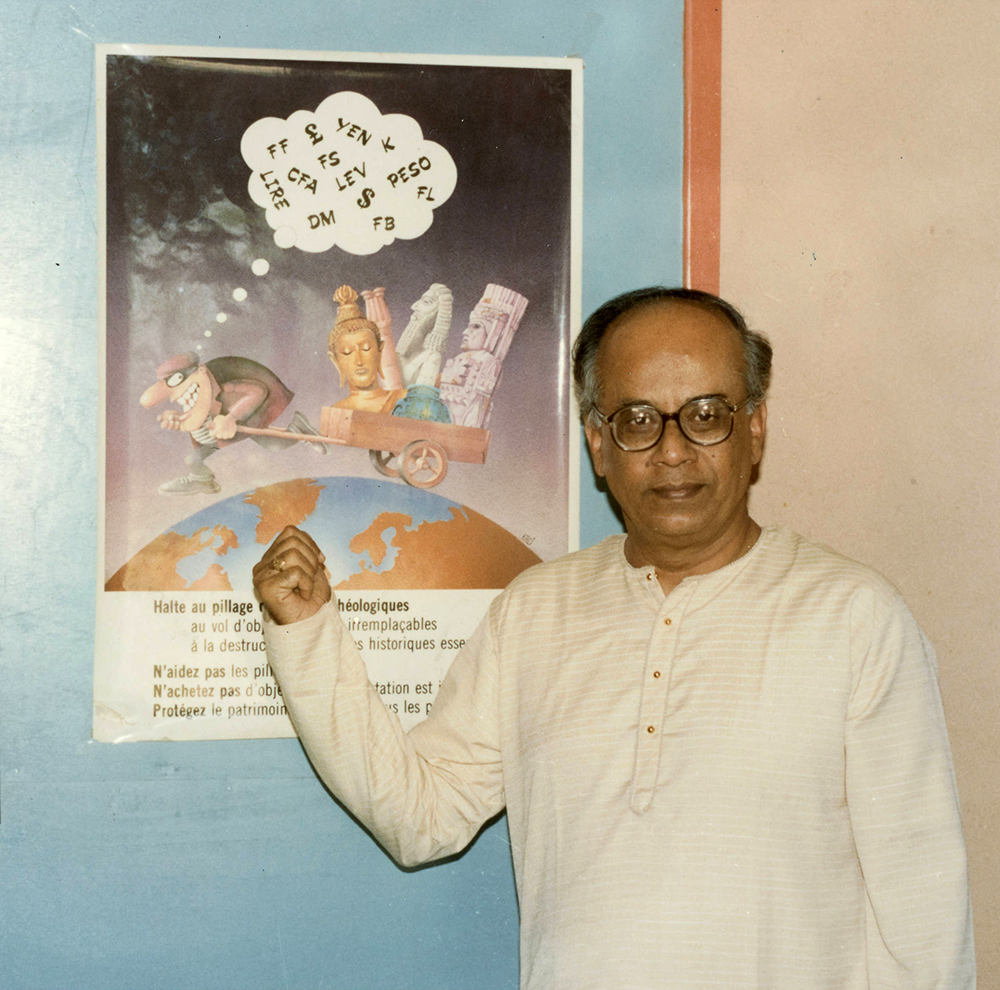
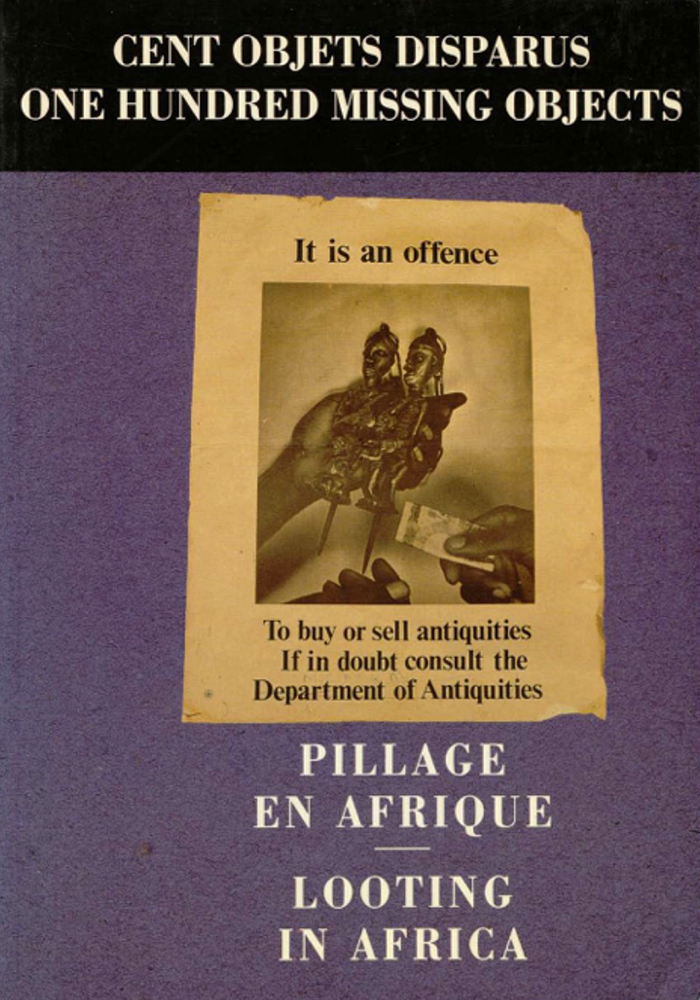
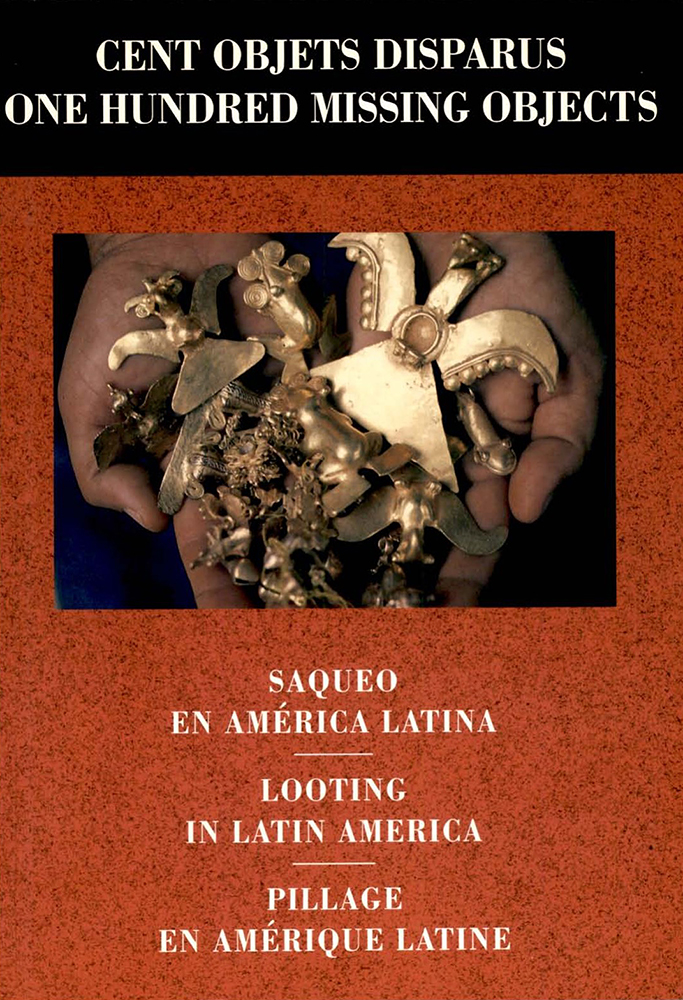
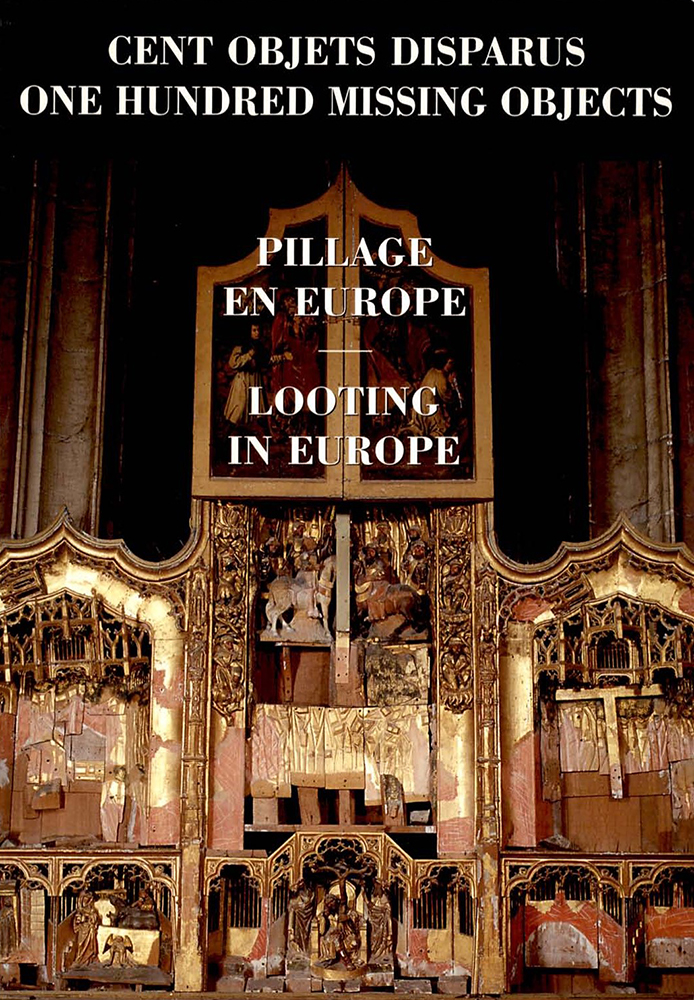
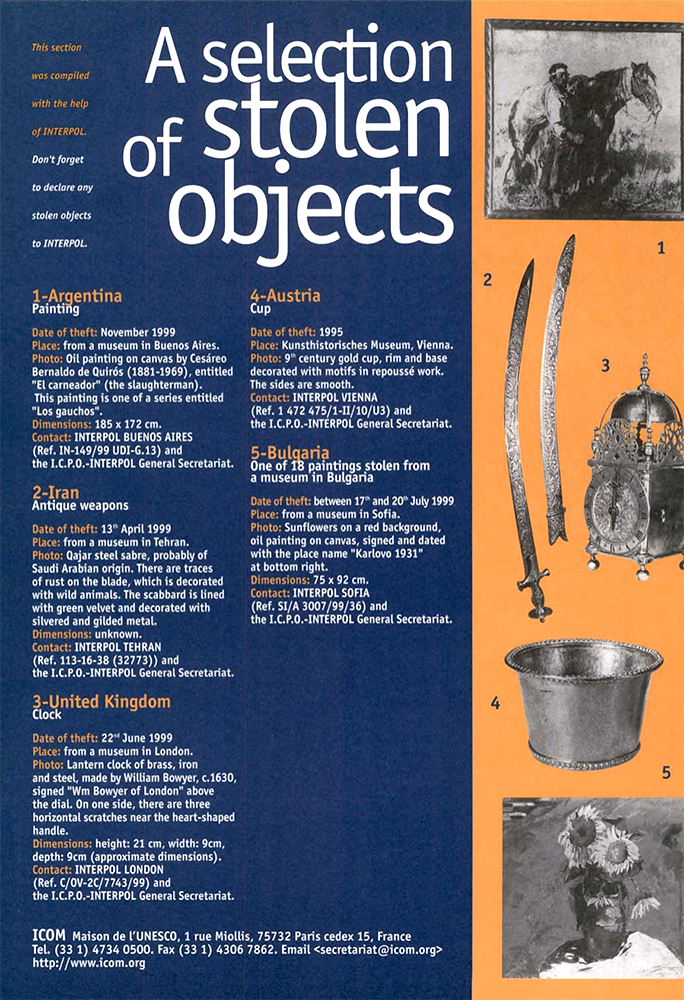
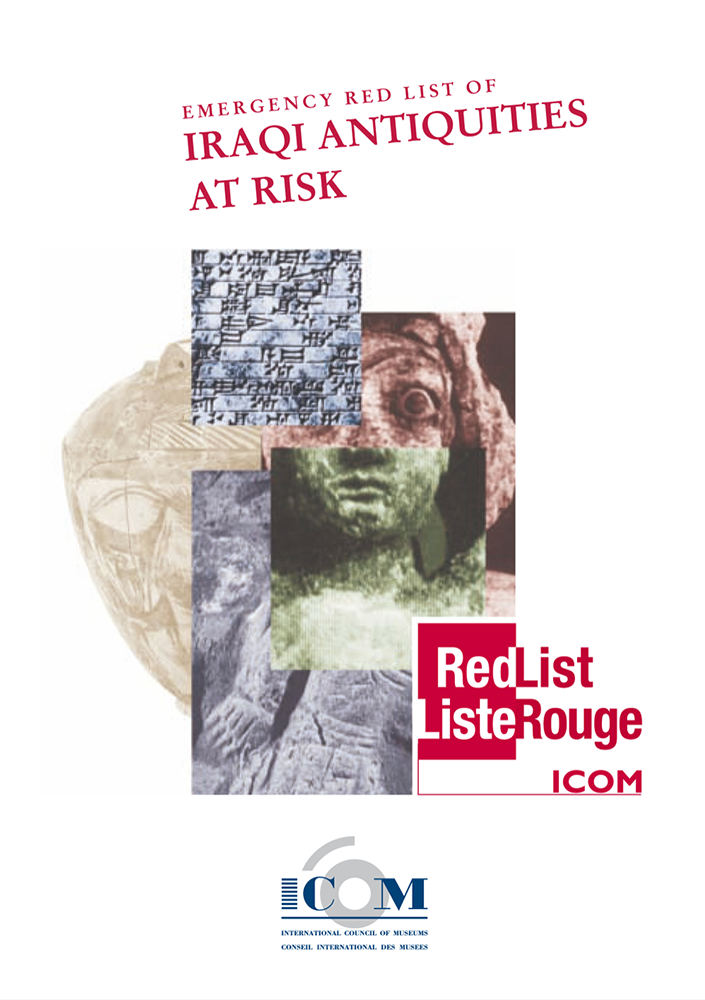
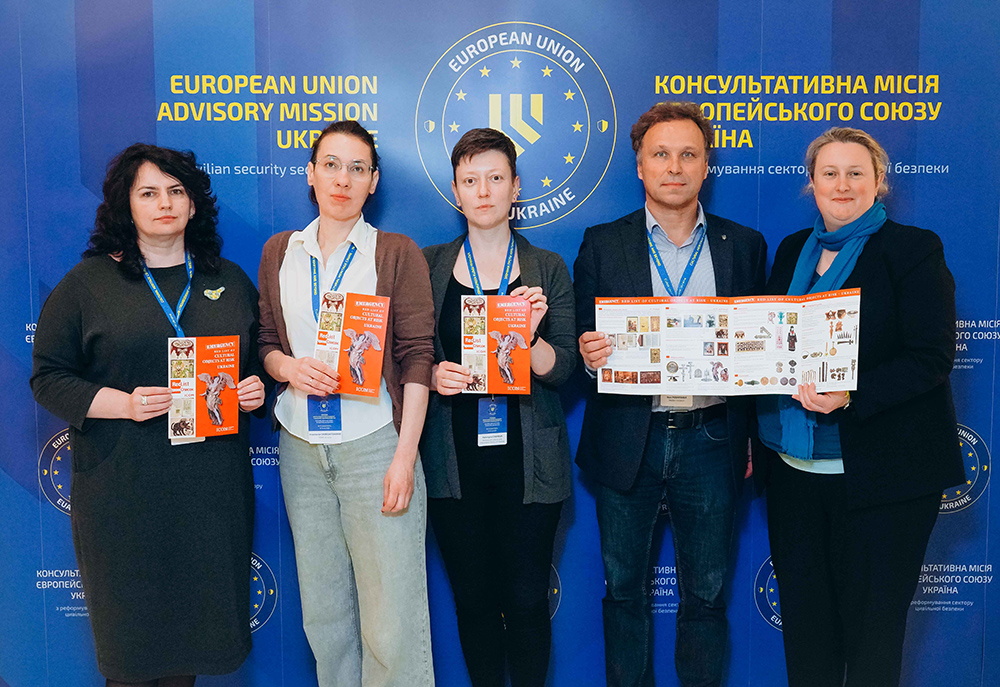
Alongside these efforts, ICOM launched the One Hundred Missing Objects publication series in 1994, documenting stolen cultural objects and drawing international attention to the scale of the problem. This pioneering initiative paved the way for the first ICOM Red List of cultural objects at risk, created in 1997 and published for the first time in 2000, and its subsequent expansion into a worldwide programme identifying categories of cultural objects particularly vulnerable to illicit trafficking.
Cooperation with INTERPOL and the World Customs Organization further strengthened this approach, culminating in formal cooperation. By connecting museums with police and customs networks, ICOM helped establish a more coordinated response to the illegal circulation of cultural heritage.
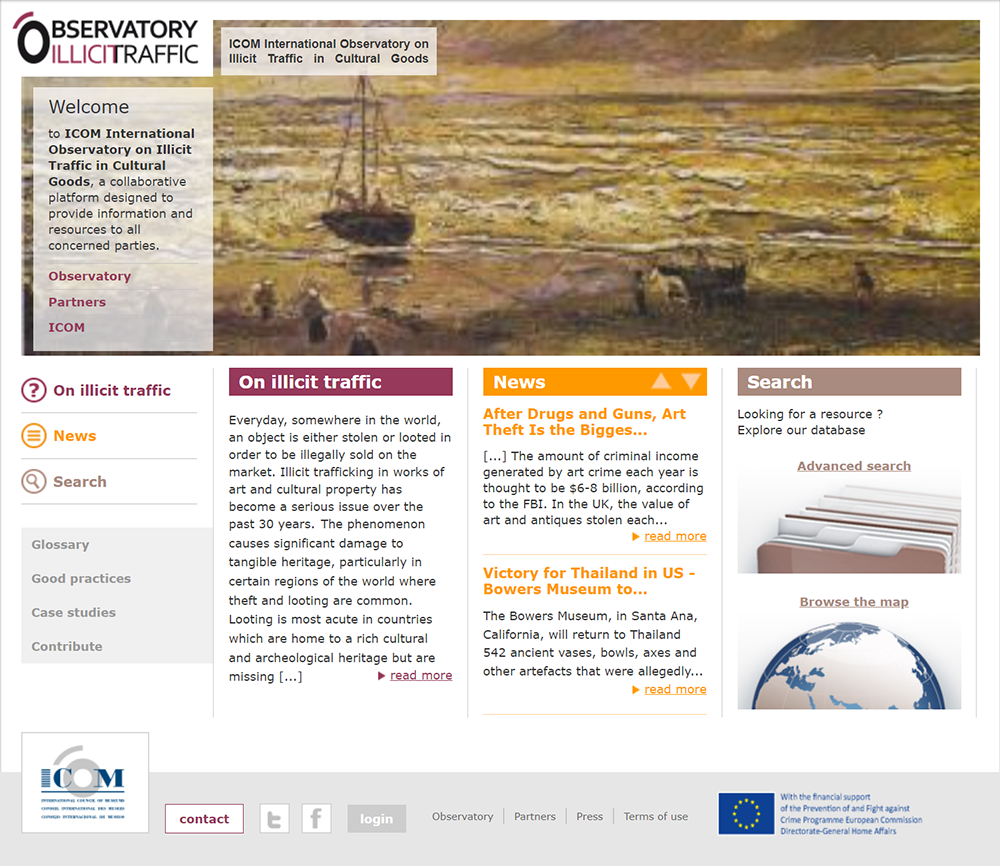
In recent years, ICOM has further expanded its engagement through innovative European cooperation projects: as a consortium partner in ANCHISE Project (2023–2026) then through the PRISM Project (2025–2027) which build on the renewal of the ICOM International Observatory on Illicit Traffic in Cultural Goods, originally established in 2013.
United for Heritage
ICOM and the Blue Shield
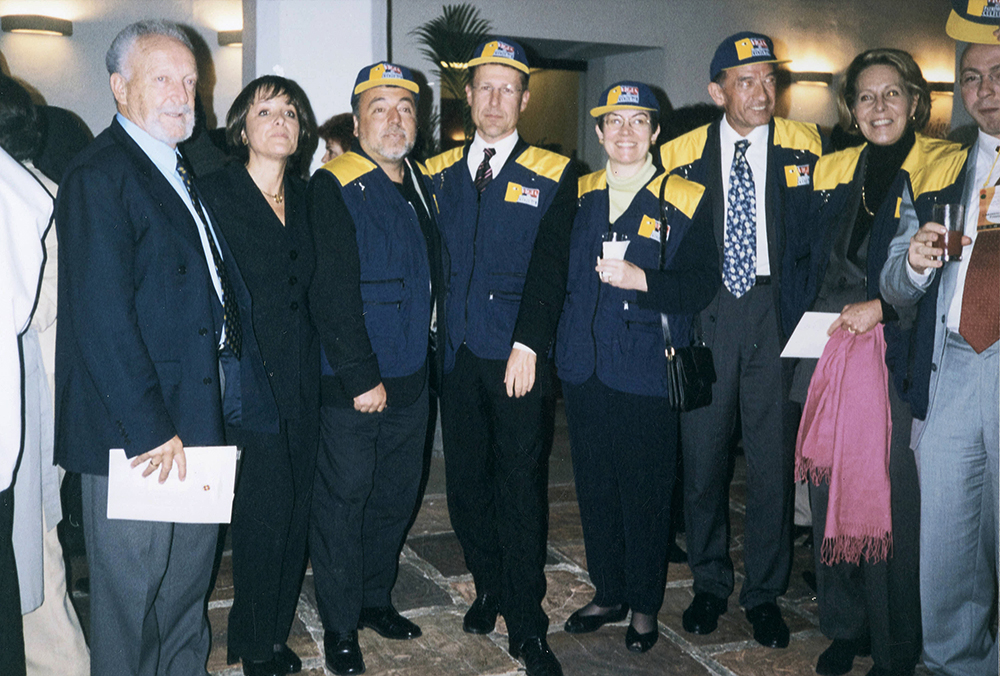
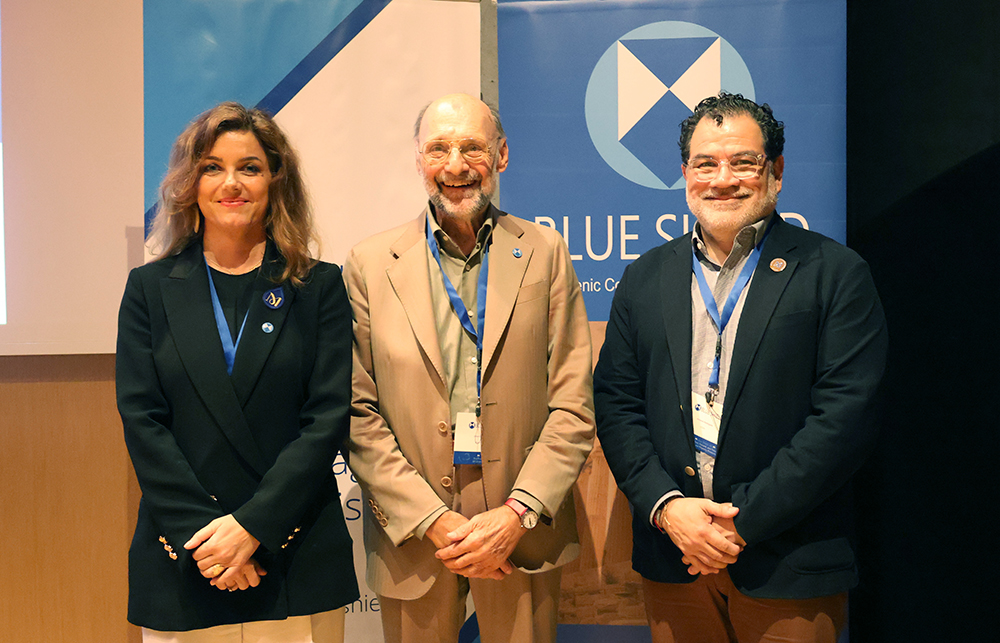
Established in 1996, the Blue Shield initiative brought together four international heritage organisations – ICA, ICOM, ICOMOS and IFLA – around a shared commitment to protecting cultural property during armed conflicts and emergencies. Drawing on their complementary expertise in archives, museums, monuments and sites as well as libraries, these Founding Organisations sought to strengthen international coordination and promote the implementation of the 1954 Hague Convention and its Protocols.
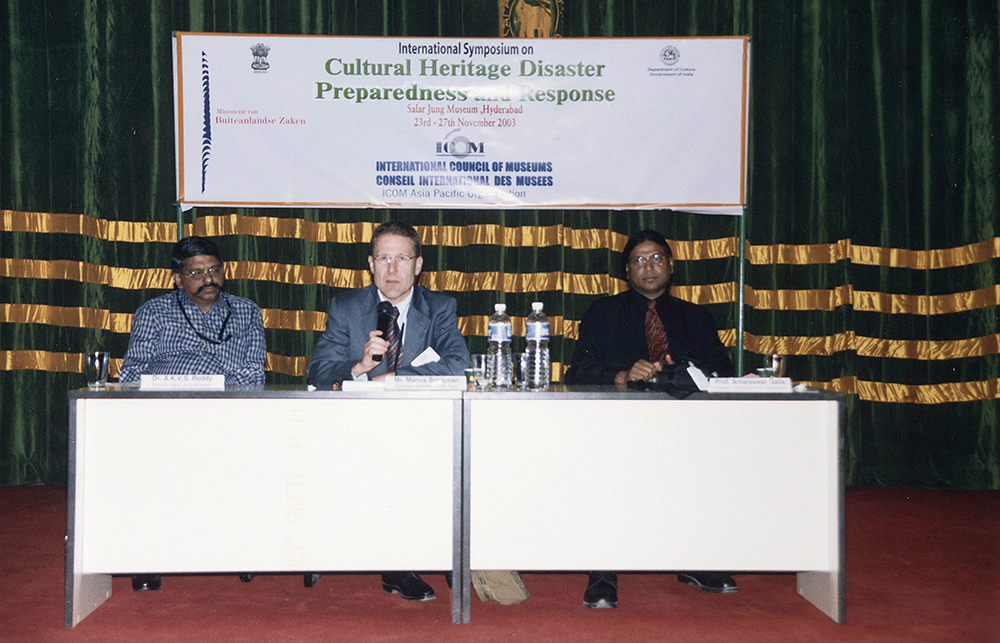
Through its involvement in the Blue Shield, ICOM has contributed its museum expertise to the development of international strategies for preparedness, risk reduction and emergency response. Cooperation has progressively extended to training initiatives, field missions and partnerships with military, civil protection and heritage authorities, as well as the Accreditation of Blue Shield National Committees all contributing to safeguarding cultural heritage, supporting professionals on the ground and strengthening resilience in times of crisis.
When Crisis Strikes: Mobilising the Museum Community
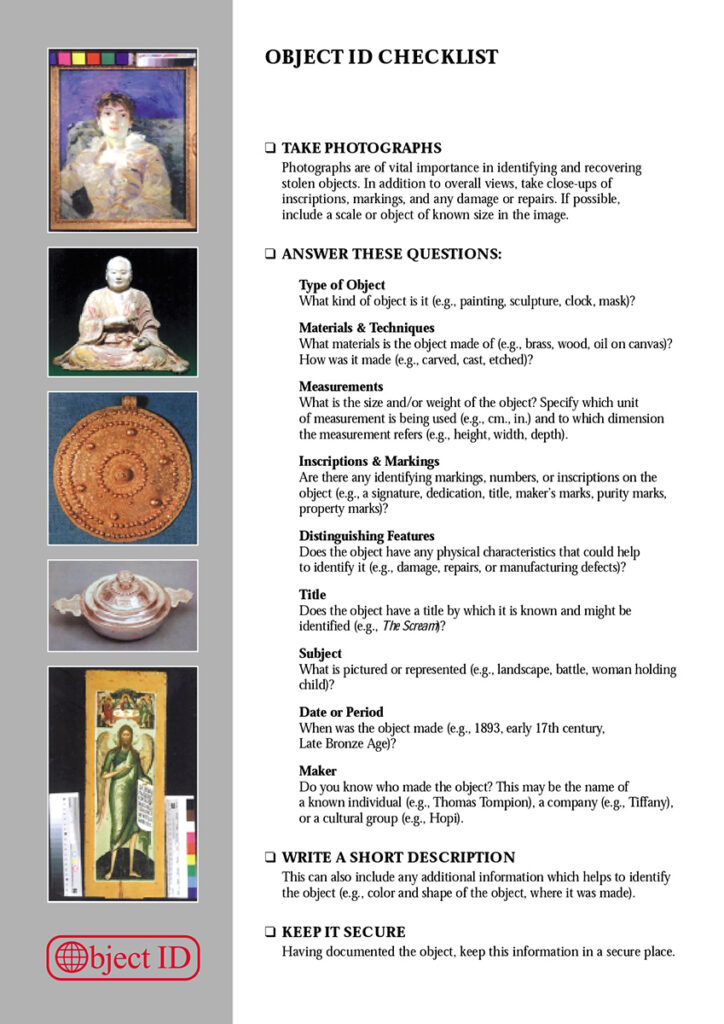
Cultural heritage continues to be threatened by armed conflict, political instability or natural disasters. Therefore ICOM pursues its efforts to further strengthen its capacity to mobilise its international network, connect affected museums with specialised expertise and facilitate the exchange of information, resources and practical guidance in times of crisis, particularly on emergency preparedness, risk assessment and the protection of museum collections. Emphasis is placed on documentation and identification, with tools such as Object ID helping professionals describe, record and identify cultural objects, facilitating their protection and potential recovery.
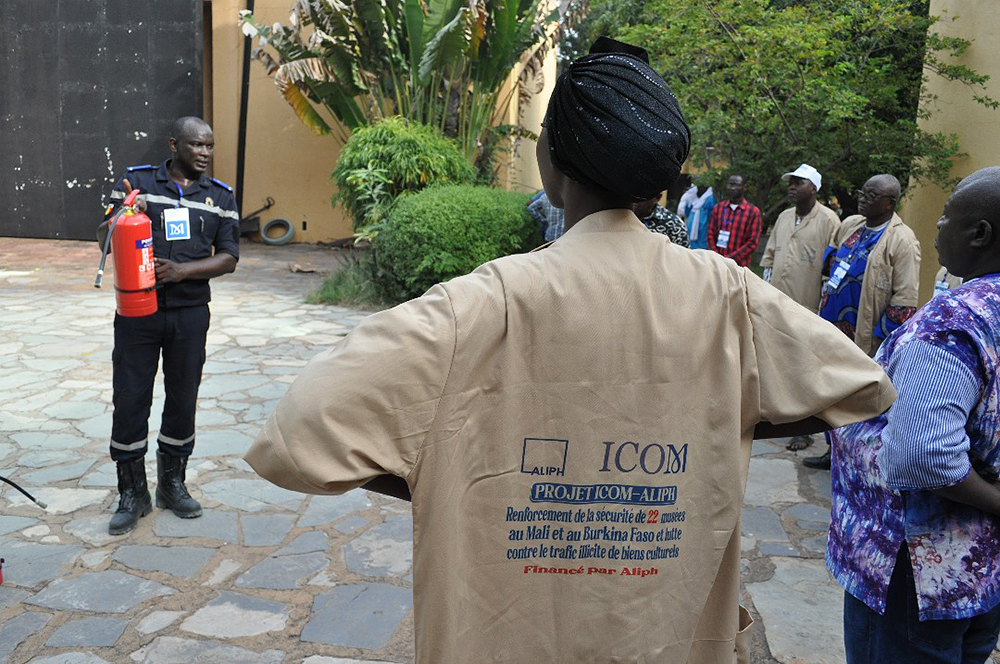
Through practical training, workshops and targeted assistance, ICOM has also supported museums on the ground and professionals facing emergencies. The ALIPH–ICOM projects, notably in Côte d’Ivoire and the Sahel region, illustrate this approach through initiatives addressing museum security, collection documentation, digitisation and emergency planning.
Archival Documents – Protection of Cultural Heritage
Museums and Society: Education, Communities and Sustainability
From Education to Social Engagement
Museums as Educational Institutions (1946–1970)
From its earliest years, ICOM advocated for museums to fulfil an educational role alongside their responsibility for preserving collections. In the post-war context, museums were seen as spaces for public education, intercultural understanding and international cooperation, reaching audiences of all ages. This vision informed the work of ICOM’s early committees dedicated to children’s museums and educational activities, which evolved into the International Committee for Education in 1965, later known as CECA (Committee for Education and Cultural Action). Through international seminars and initiatives such as the “Crusade of Museums”, ICOM promoted the idea that museums should actively contribute to education and cultural life, laying the foundations for a broader understanding of their role in society.
Museums in the Service of Society (1971–1989)
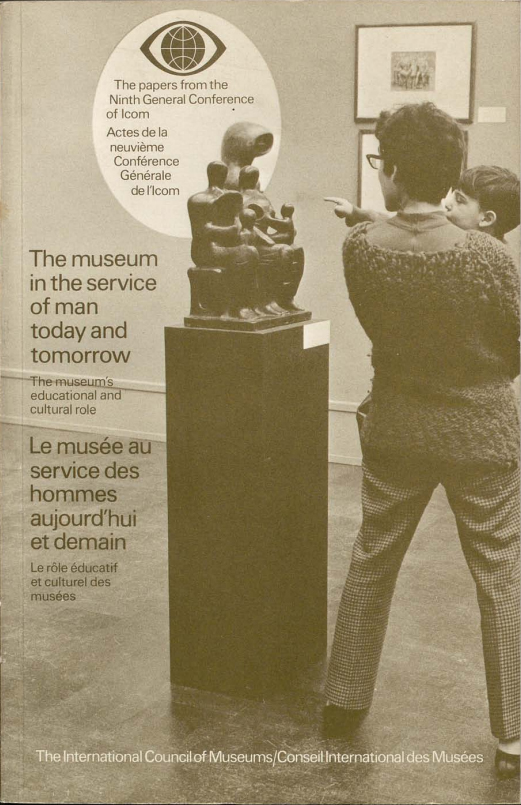
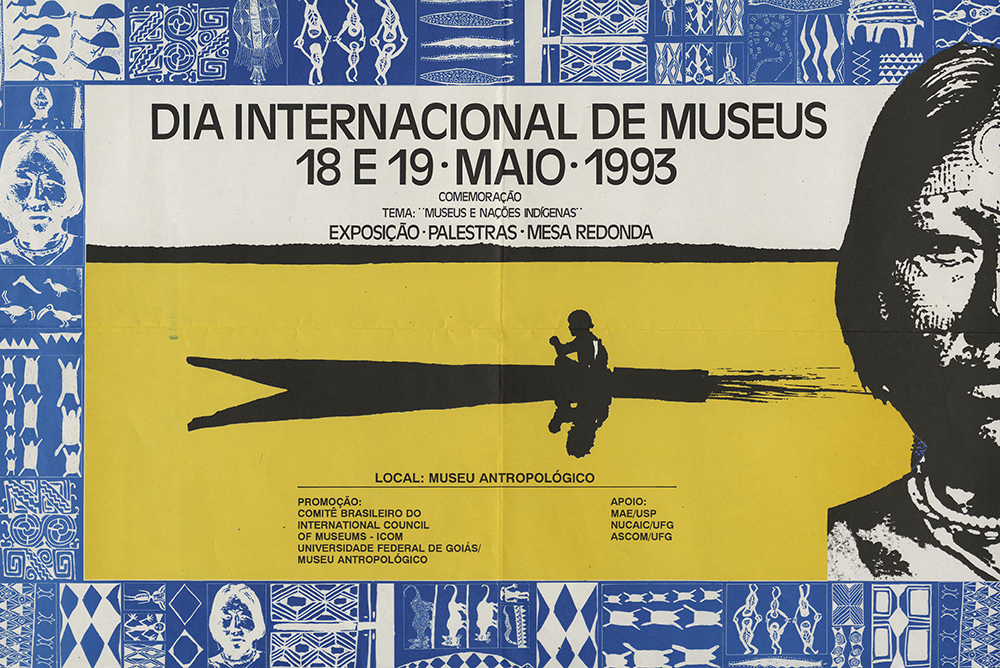
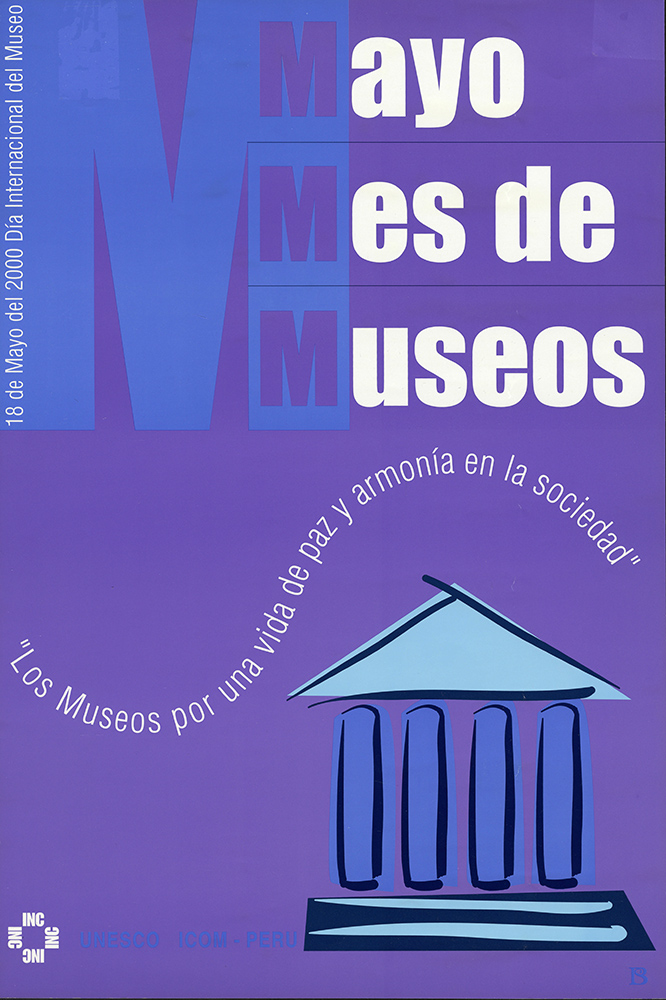
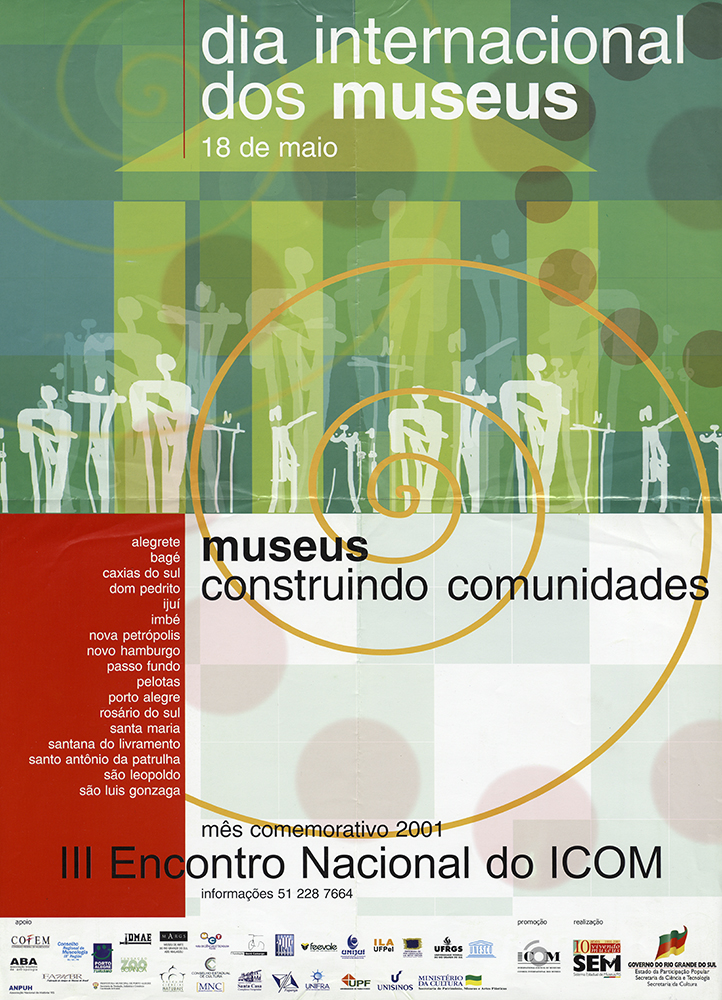
During the 1970s, ICOM’s understanding of the museum’s social role expanded significantly. The 1971 General Conference, entitled “The Museum in the Service of Man: Today and Tomorrow. The Museum’s Educational and Cultural Role”, reflected growing interest in museums as active participants in social change. The 1972 Santiago Round Table in Chile further advanced this vision, advocating for museums that respond to the needs of their communities and contribute to social development. At the same time, growing awareness of the relationship between people and their environment encouraged new approaches to museology, including the development of the ecomuseum concept. The 1972 symposium “Musée et environnement” and subsequent debates placed environmental responsibility on the museum agenda. In 1977, ICOM established International Museum Day (IMD), first celebrated in 1978, creating an annual opportunity to highlight the contribution of museums to society.
Cultural Diversity, Communities and Sustainability (1990–today)
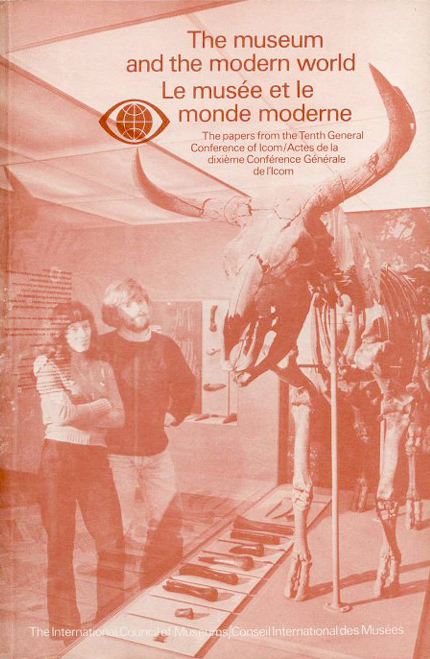
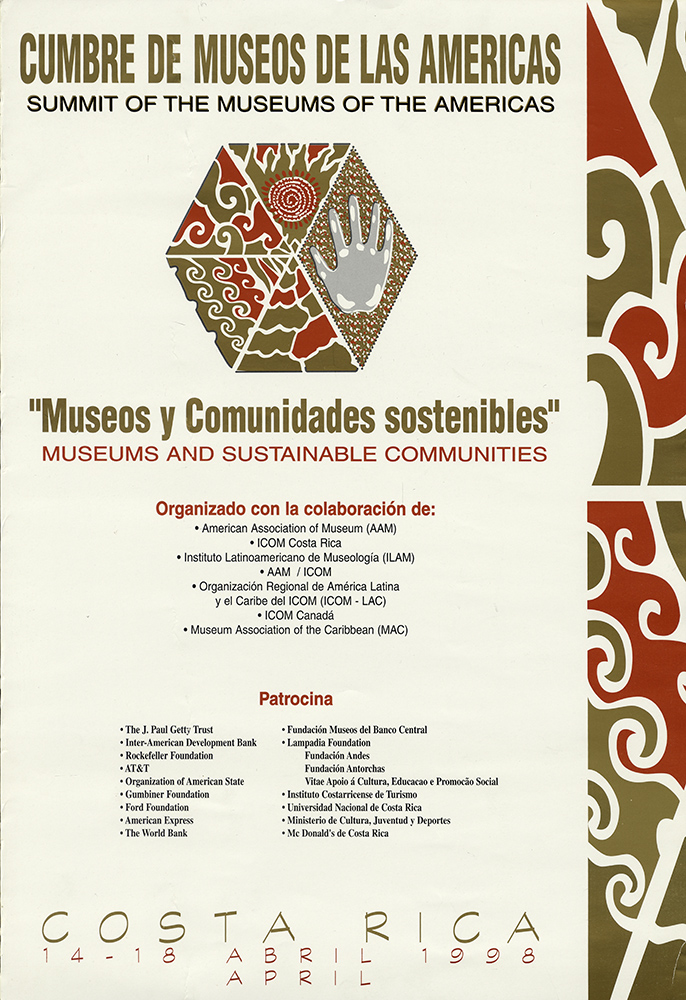
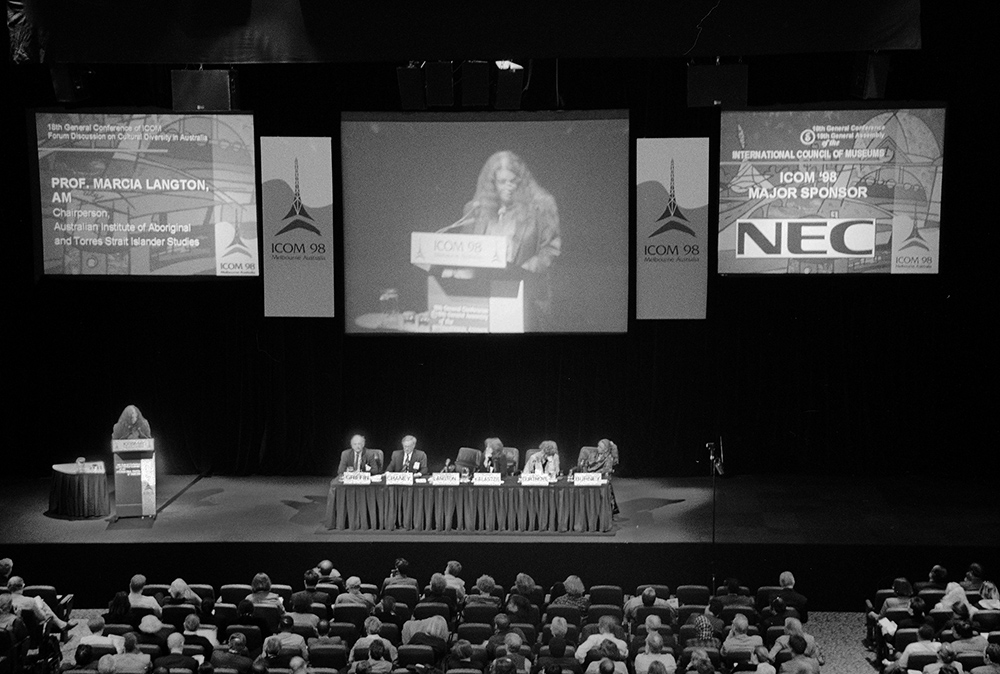
From the 1990s onwards, ICOM increasingly emphasised the relationships between museums, communities, and cultural diversity. The creation of the Working Group on Cross-Cultural Issues in 1992, followed by General Conferences dedicated to museums and communities (1995) and cultural diversity (1998), reflected this shift. These developments culminated in the adoption of the ICOM Cultural Diversity Charter in 2010. International frameworks also reinforced the evolving role of museums, notably UNESCO’s 2015 Recommendation concerning the Protection and Promotion of Museums and Collections, their Diversity and their Role in Society. Environmental concerns, first explored prominently in ICOM’s work during the 1970s, have since returned to the forefront through the growing emphasis on sustainability. ICOM’s 2022 museum definition places accessibility, inclusion, diversity, sustainability and community participation at its heart. More recent initiatives, including the creation of ICOM SUSTAIN in 2023 and the ICOM Award for Sustainable Development Practices in Museums, first presented in 2025, further reflect the organisation’s commitment to museums as contributors to more inclusive and sustainable societies.
Archival Documents – Museums and Society
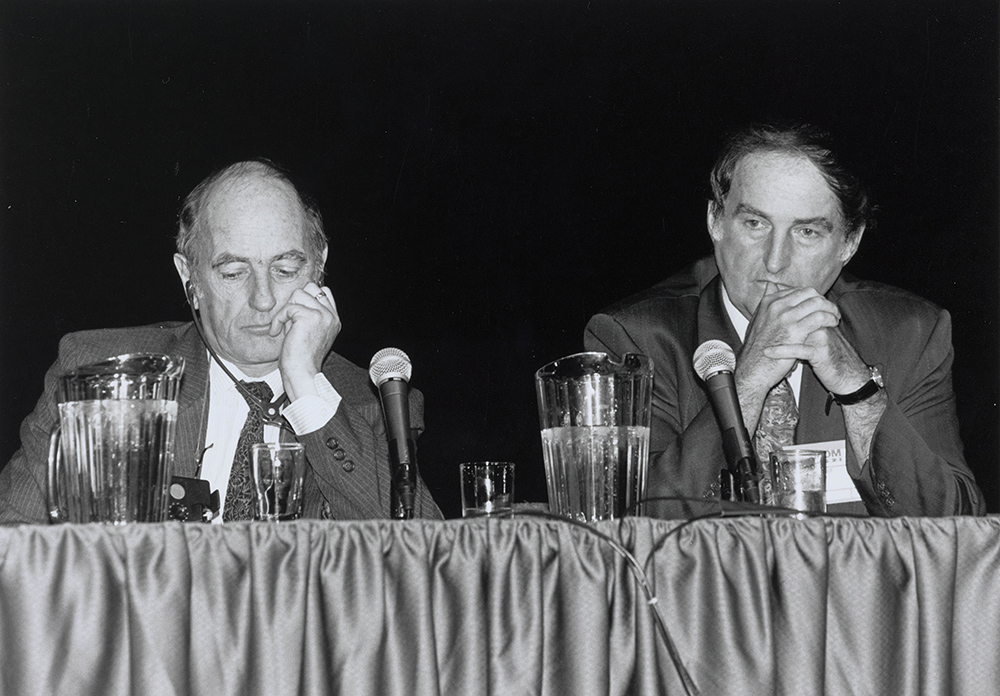
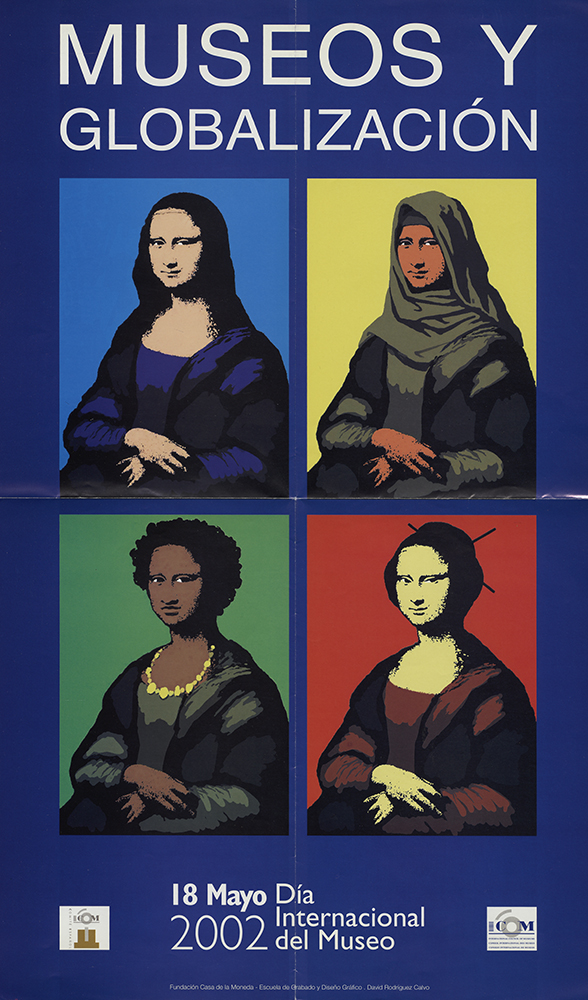
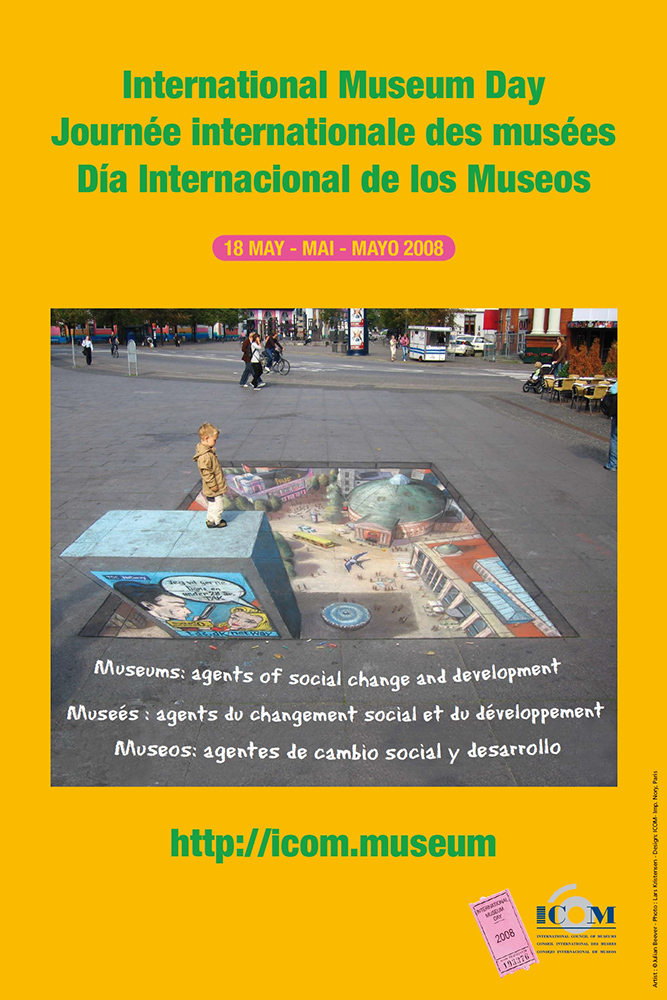
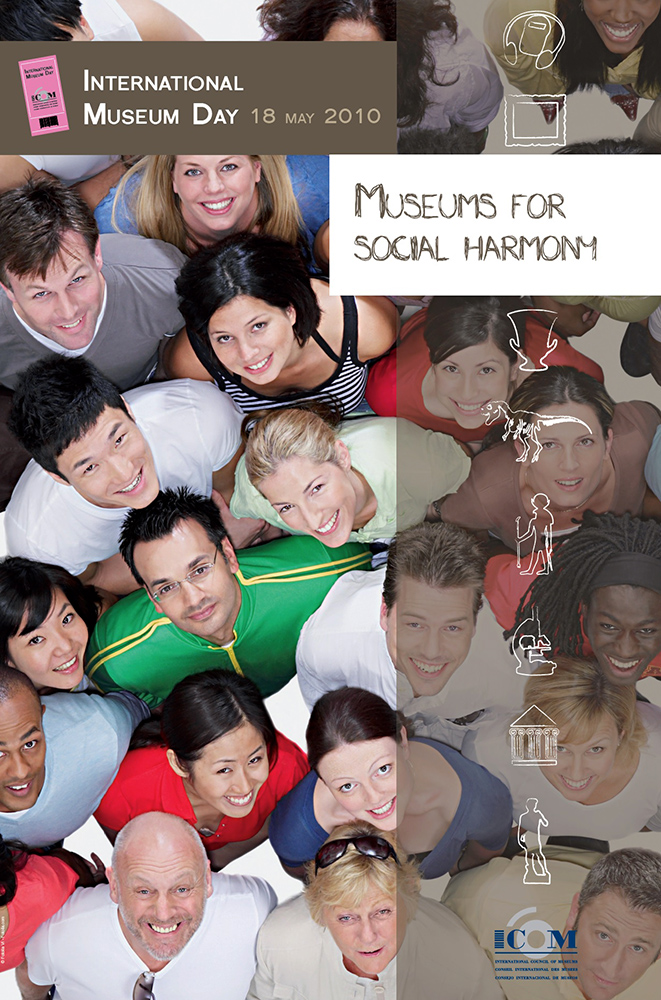
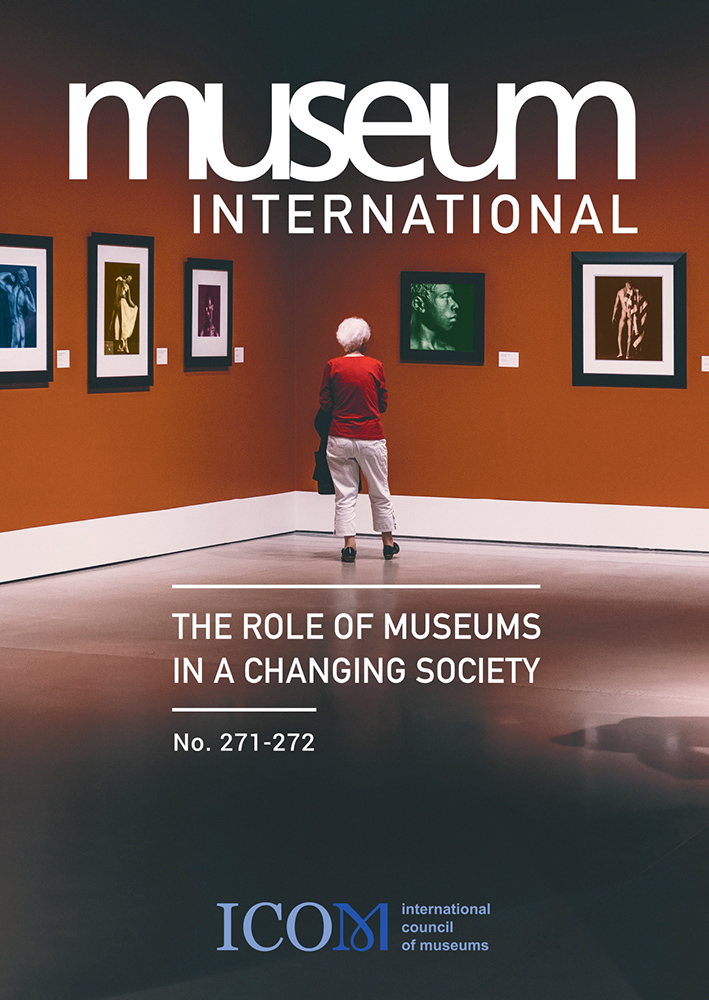
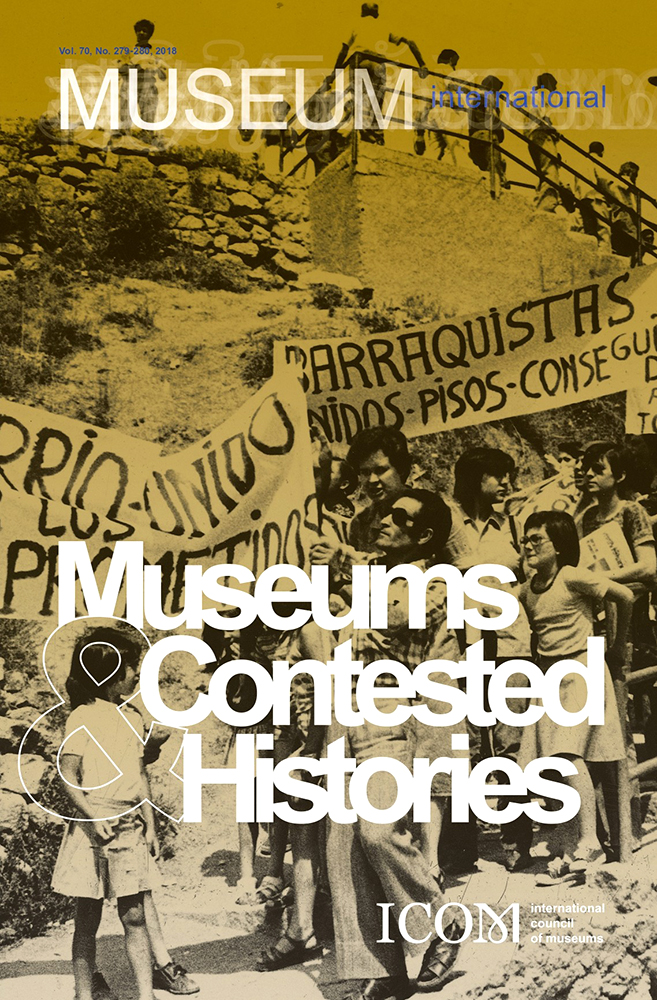
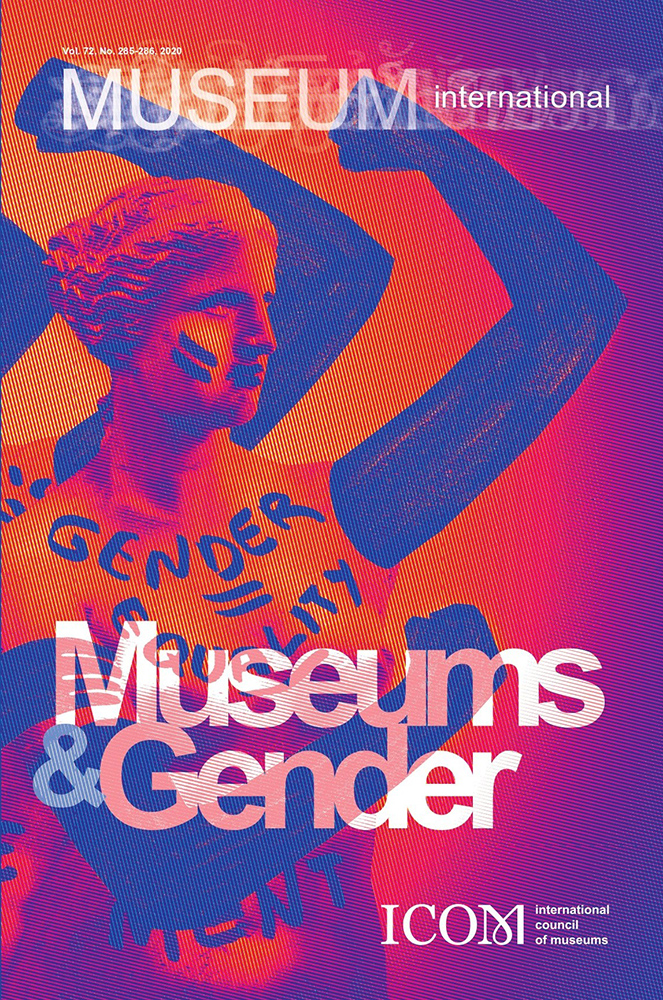
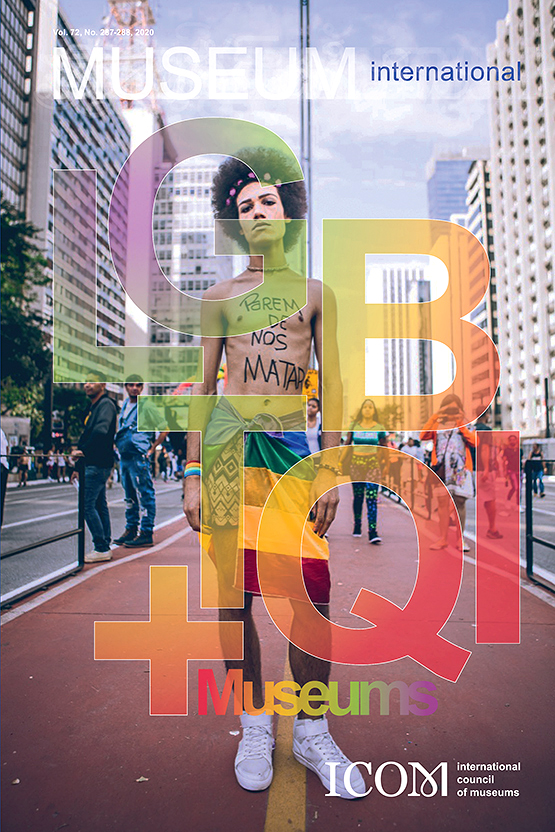
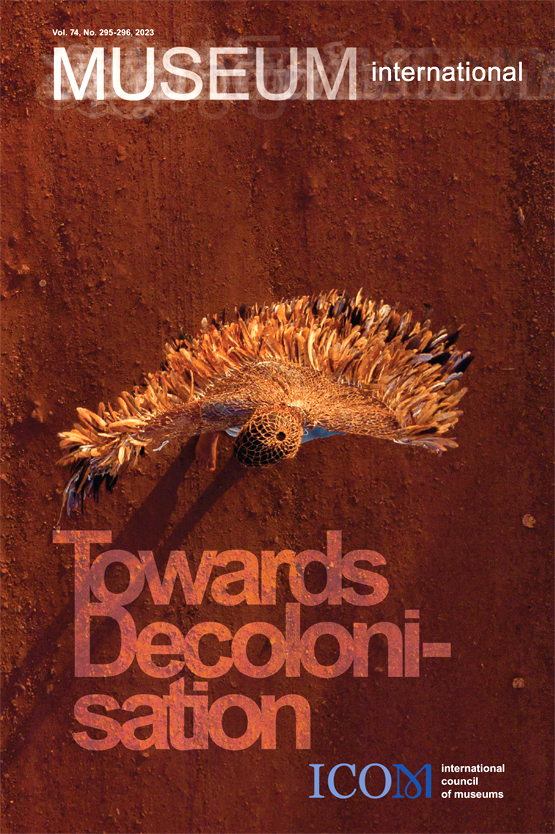
Explore ICOM’s Digital Resources
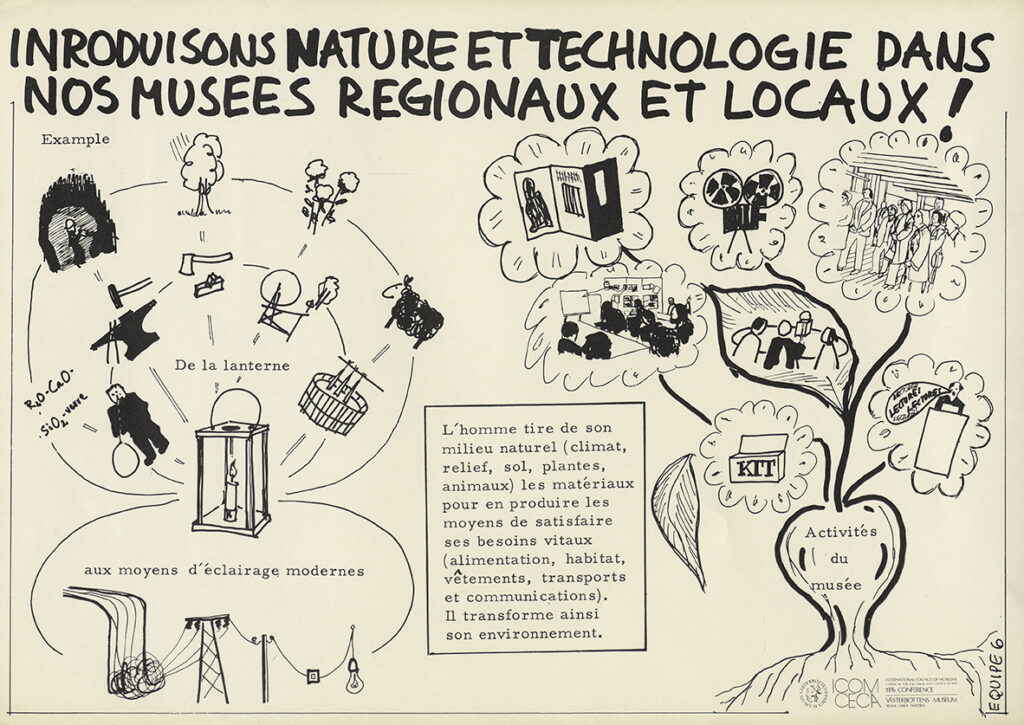
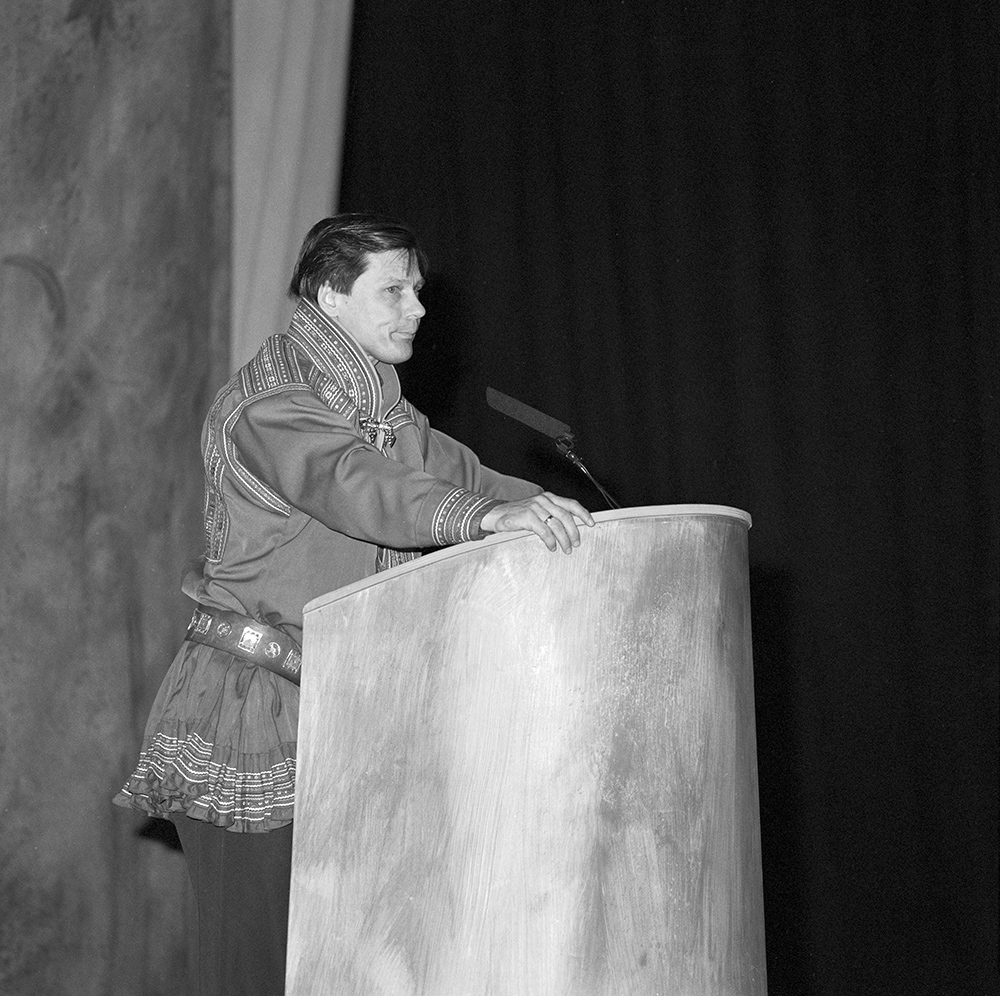
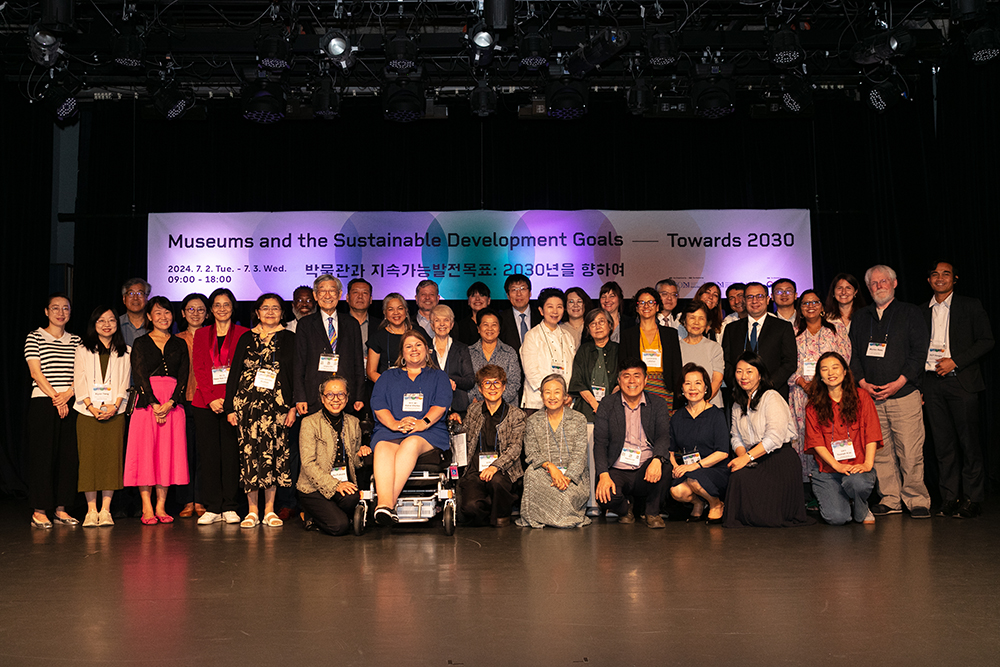
Created in 1948, the ICOM Documentation Centre has now turned digital. The online library provides direct access to a wide range of key documentation, reference materials, and curated resources. The ICOM Members’ Area gives members exclusive access to ICOM’s digital archives, enabling them to explore its history through a diverse collection of unpublished materials, including photographs and posters.
Online library – International Council of Museums – International Council of Museums