Coming in September
It highlights how changes in the museum field – ethics, specialisations, global representation, were mirrored in the evolution of ICOM’s committees, working groups, and membership.
80 Years of Evolution of a Global Museum Network
Today, ICOM unites more than 60,000 members across 128 National Committees, 35 International Committees, 7 Regional Alliances, and 22 Affiliated Organisations, making it the largest organisation of museums and museum professionals around the world. What began as a small group of dedicated professionals in 1946 has evolved into a vast global network.
From its post-war European and North American foundations, ICOM progressively expanded into a genuinely global organisation, shaped by shifting geopolitical contexts, decolonisation processes, and the growing diversity of museum practices worldwide. How did we get here? This opening chapter outlines eight decades of collective endeavour, shaped by the enduring ideal of fostering international cooperation among museums and bringing professionals together across geographic and disciplinary boundaries.
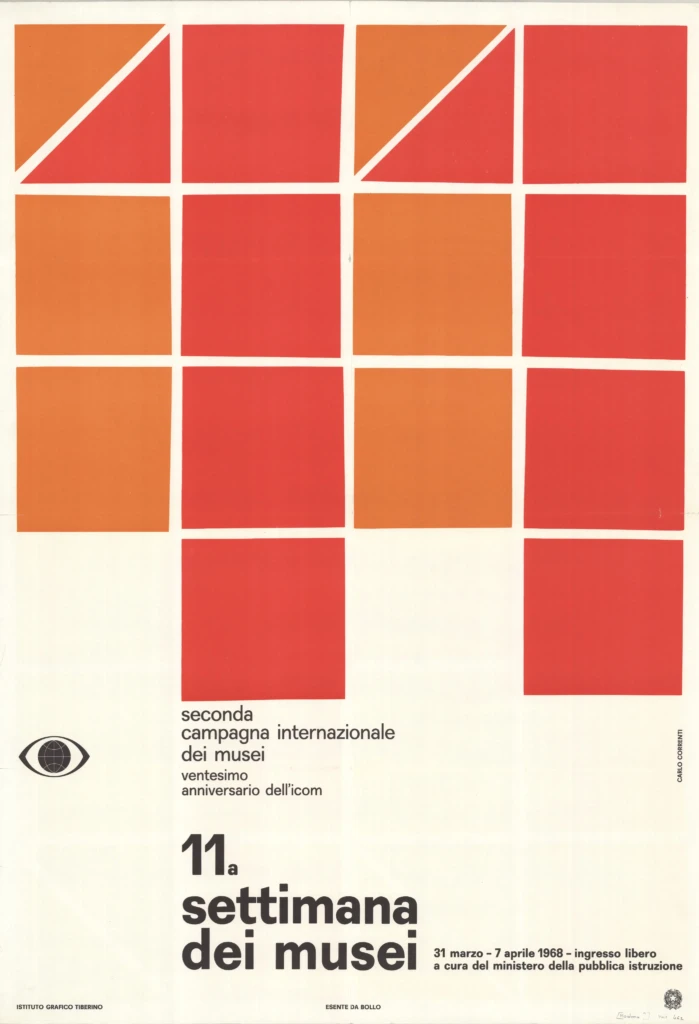
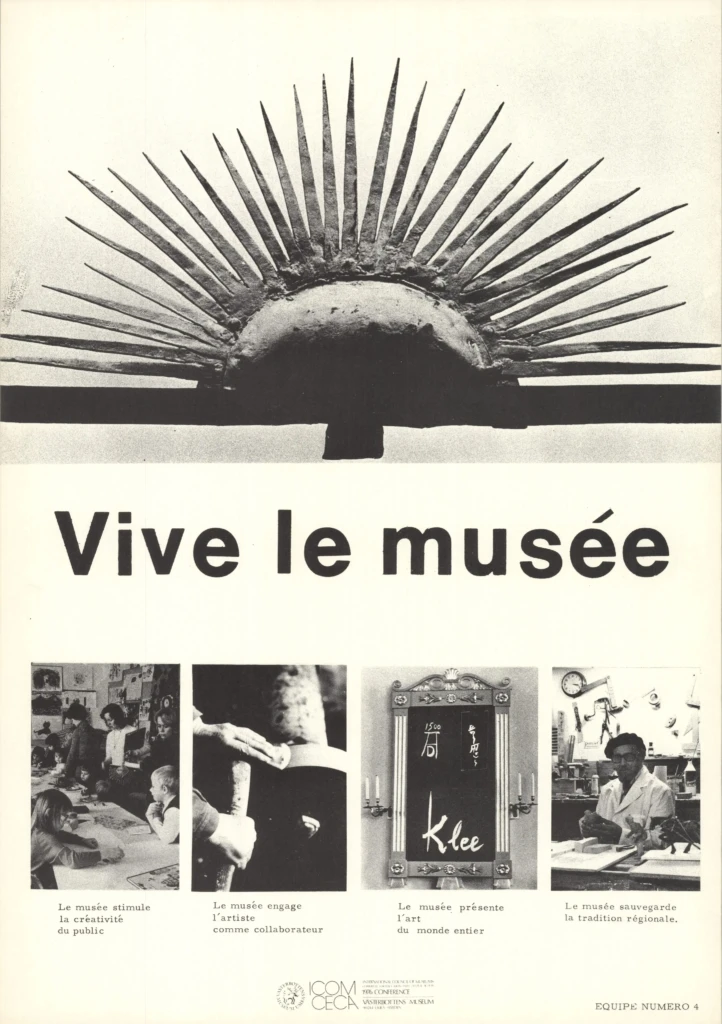
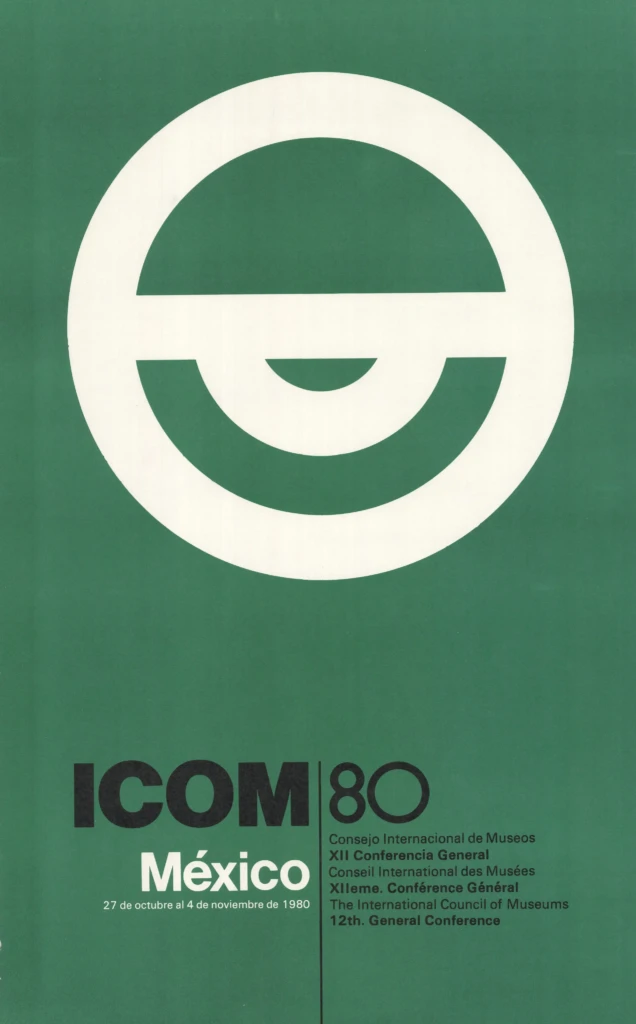
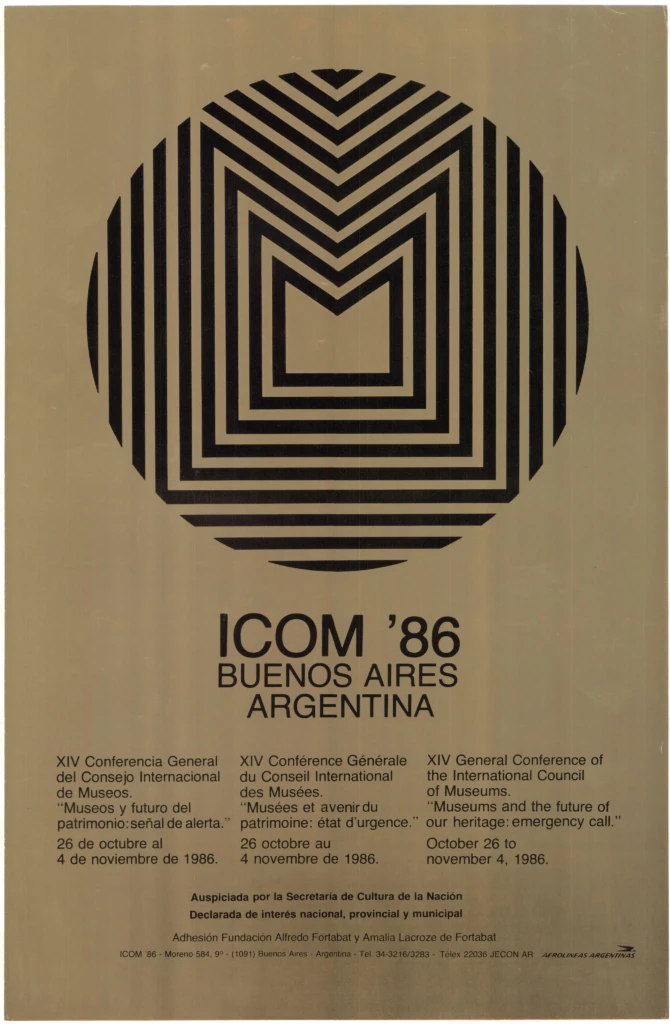
ICOM entered its first phase of expansion around 1948, growing from 367 members at its 1st General Conference in France to 2,793 members by 1968, the year of its 8th General Conference in Germany. The period 1968-1977 aligned with broader processes of cultural opening and widening access to museum practices following the events of 1968. The 1980s marked a phase of institutional consolidation, notably with the adoption in 1986 of the first Code of Ethics, now a key reference beyond the organisation itself and continually updated.
ICOM’s growth reflects both quantitative expansion and qualitative change. Membership continued to rise during the era of digital transformation and increasing global interconnectedness, from 14,521 members in 2000 to 27,604 in 2010, reaching 51,302 in 2022.
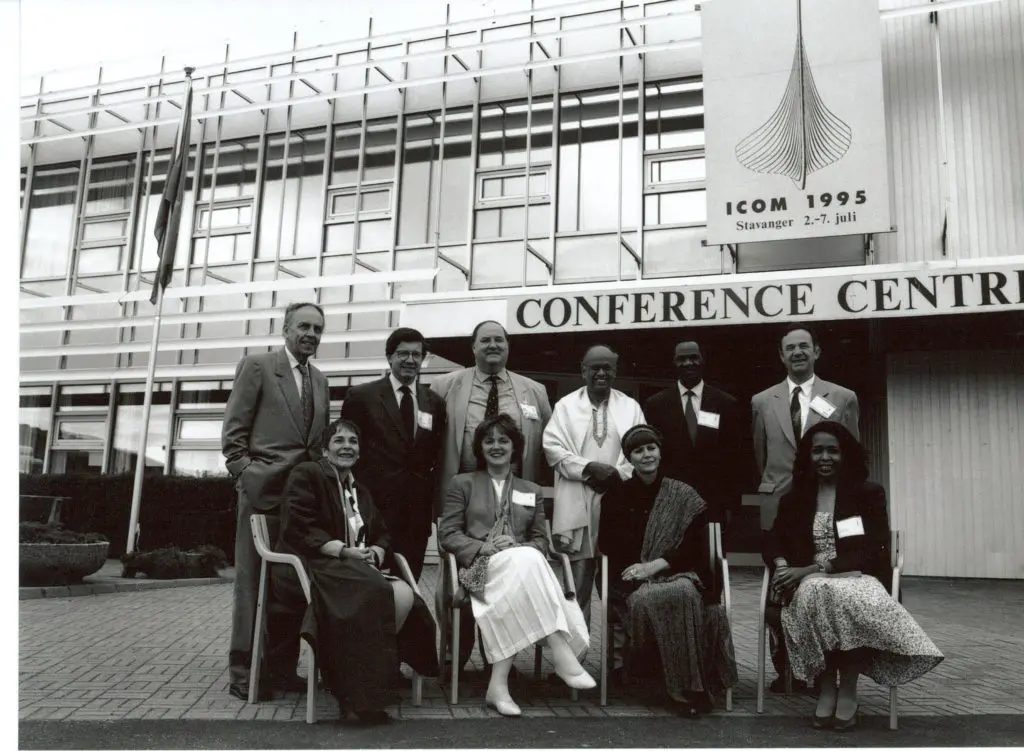
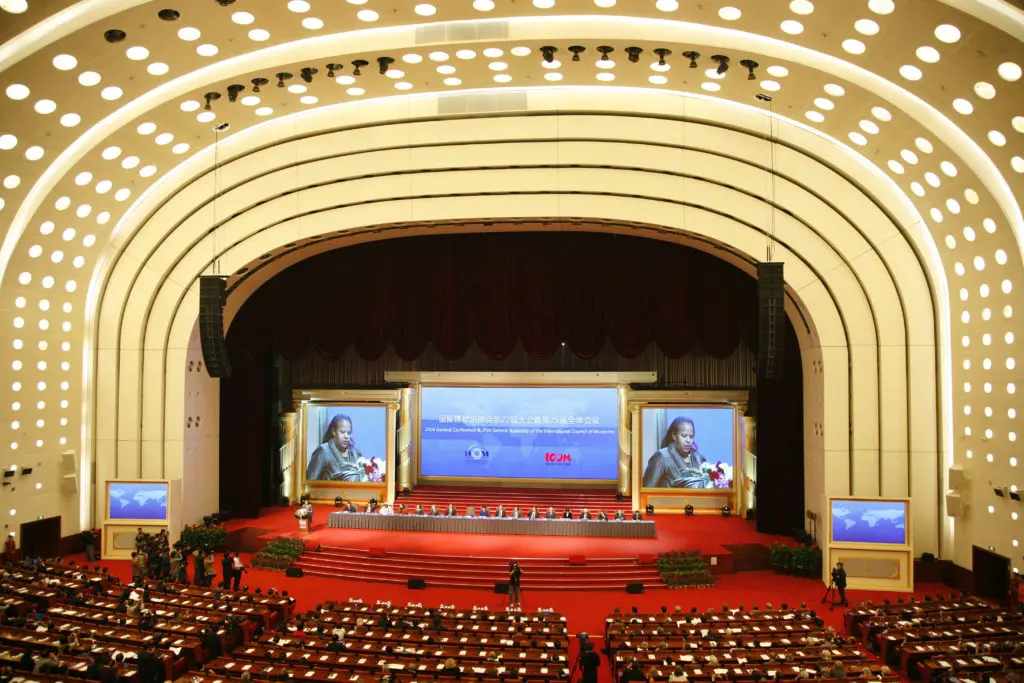
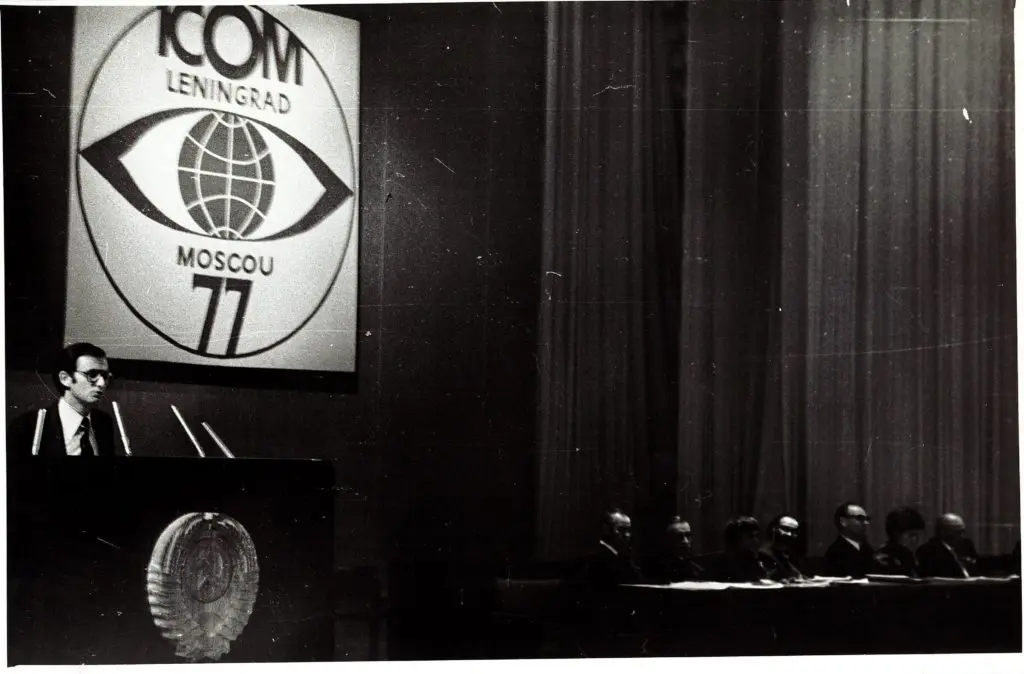
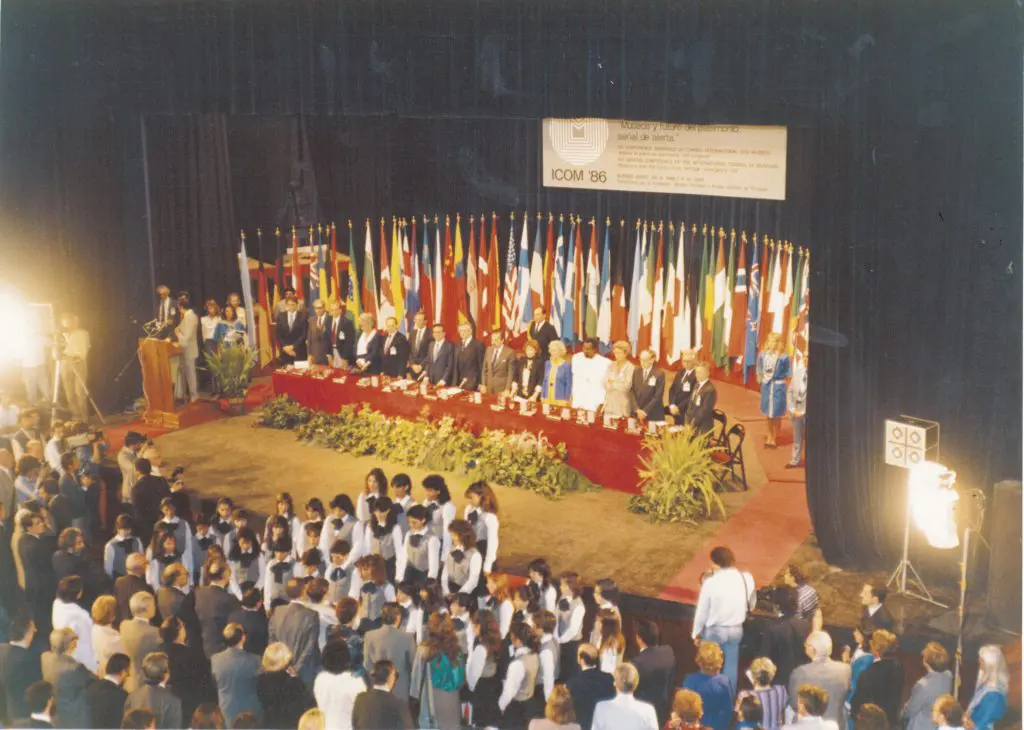
Drawing on archival materials-including congress documents, photographs, founding texts, early committee reports, and historic resolutions-this chapter traces key moments in ICOM’s history and highlights the actors who made them possible. Above all, it is a story of people: committed members, volunteers, and professionals dedicated to advancing global outreach, cross-border collaboration, and the exchange of expertise in the museum sector.
Across the broader landscape of 20th and 21st centuries international cultural dialogue, ICOM’s history reflects both the professionalization and democratization of the museum field. This chapter therefore highlights the major shifts that have shaped its global community.
We invite you to explore this first chapter and discover how, indeed, museums have no borders, they have a network.
“It highlights how changes in the museum field – ethics, specialisations, global representation, were mirrored in the evolution of ICOM’s committees, working groups, and membership.“
Visual data & Graphic
Officially created in November 1946 in Paris, France, at the initiative of Chauncey J. Hamlin (USA), the International Council of Museums (ICOM) was settled between Europe and North America.
80 Years of Evolution of a Global Museum Network
“It highlights how changes in the museum field – ethics, specialisations, global representation, were mirrored in the evolution of ICOM’s committees, working groups, and membership.”
Expansion of ICOM beyond Western Europe and North America
Officially created in November 1946 in Paris, France, at the initiative of Chauncey J. Hamlin (USA), the International Council of Museums (ICOM) was initially anchored between Europe and North America. The early geography mirrors post-war political stability, strong museum infrastructures, and existing international networks. At this stage, ICOM national committees functioned mainly in industrialised democracies, with limited global reach.
Among the fourteen nations represented at the Constitutive Assembly, only one country was not part of the Western World: Brazil. However, expanding beyond Europe and North America was always at the heart of ICOM’s ambition, with the goal of welcoming delegates from every region of the world. As early as 1947, Chauncey J. Hamlin declared that
Expansion of ICOM beyond Western Europe and North America
Officially created in November 1946 in Paris, France, at the initiative of Chauncey J. Hamlin (USA), the International Council of Museums (ICOM) was initially anchored between Europe and North America. The early geography mirrors post-war political stability, strong museum infrastructures, and existing international networks. At this stage, ICOM national committees functioned mainly in industrialised democracies, with limited global reach.
Among the fourteen nations represented at the Constitutive Assembly, only one country was not part of the Western World: Brazil. However, expanding beyond Europe and North America was always at the heart of ICOM’s ambition, with the goal of welcoming delegates from every region of the world. As early as 1947, Chauncey J. Hamlin declared that
Emergence of new professional fields, reflecting the main interests of ICOM members
While ICOM has grown geographically, as illustrated above, the scope and depth of the issues it addresses have expanded as well. In its early days, ICOM’s main topic among members was the conservation of artworks
“Throughout my years at ICOM, the conservation of collections and, more generally, of cultural property was undoubtedly the primary activity of the organization and its International Committee for Conservation.”
The broadening of museum definitions and roles
While the definition and roles of museums were not mentioned among the “main interests of ICOM members” above, it remains an underlying topic throughout the organisation’s history. In 1946, the creation of ICOM as a non-profit association under the French 1901 law required the drafting of Statutes, and so, a definition of its members. ICOM’s first definition of the museum was therefore a legal requirement and characterized a museum primarily based on the nature of its collection
(cf. Article 2, Section II, 1946 Statutes).
Up to the present, ICOM’s global network has continued to evolve symbolically and selectively, with new or revived national committees reflecting ongoing debates around cultural sovereignty, professional standards, and the role of museums in society.
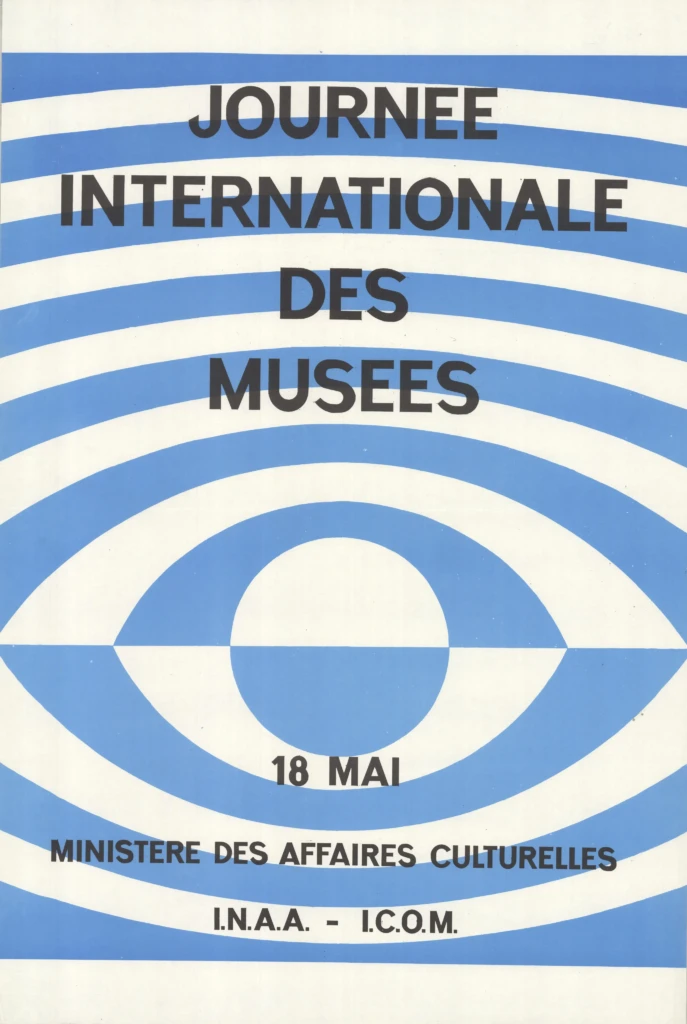
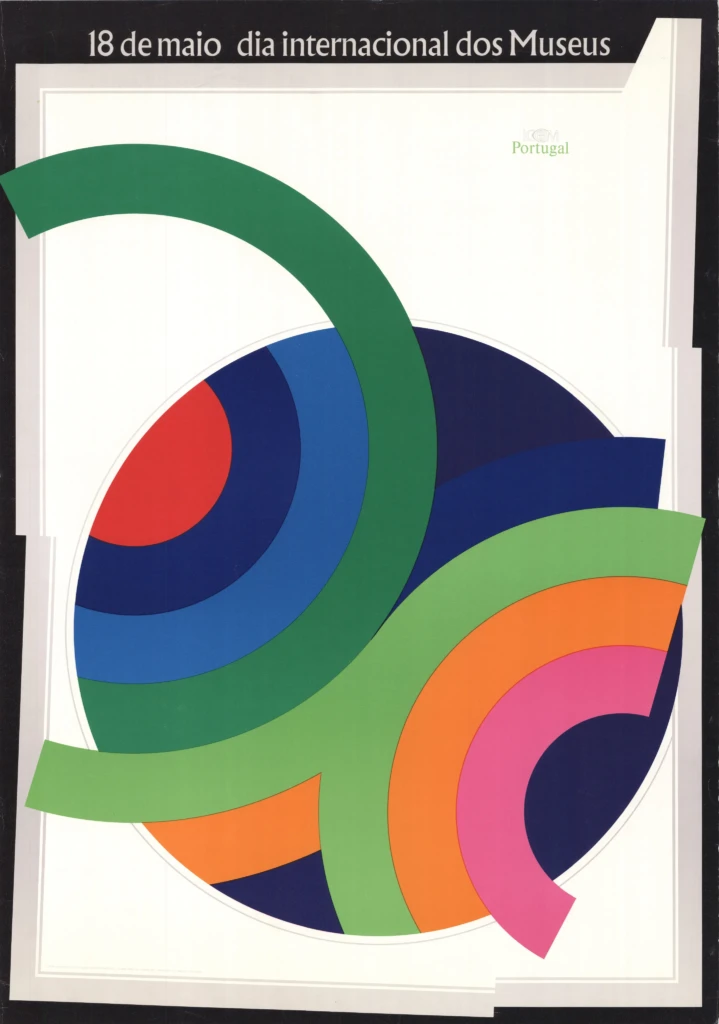
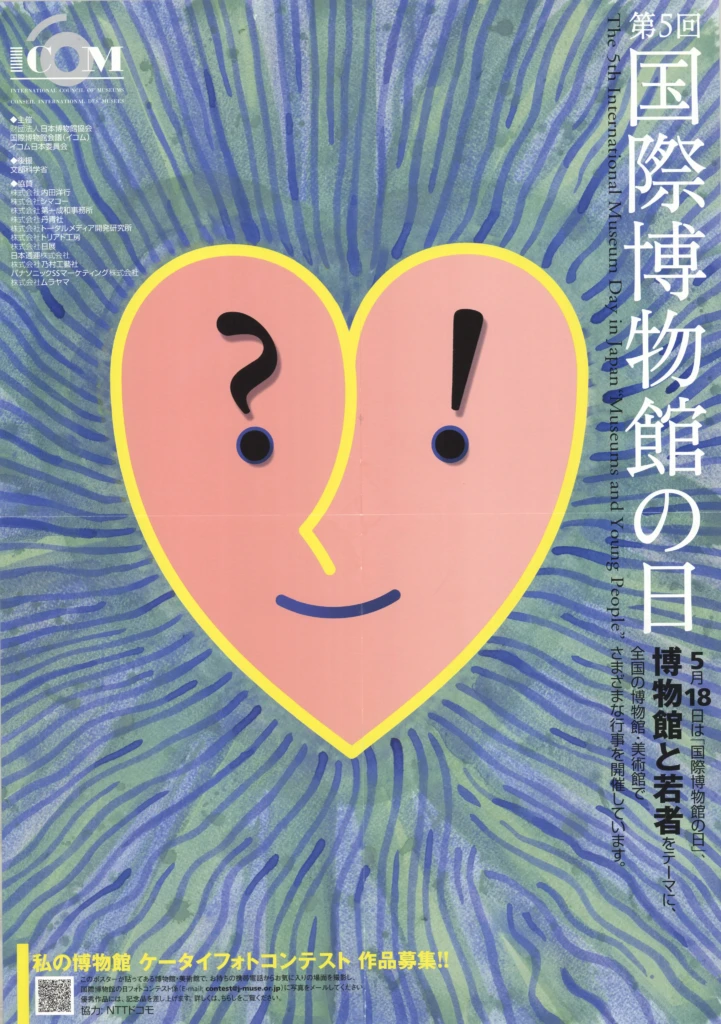
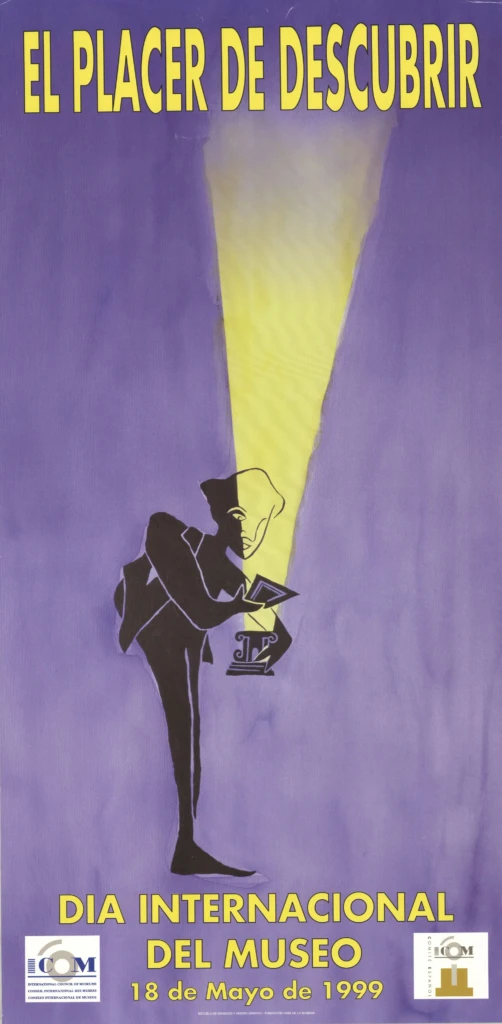
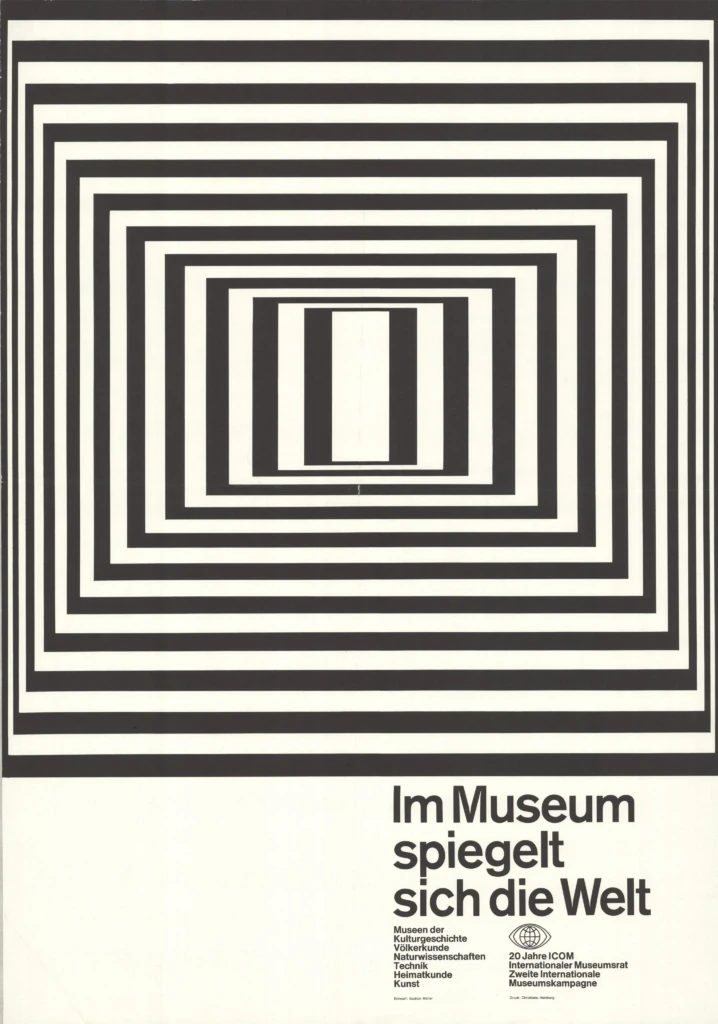
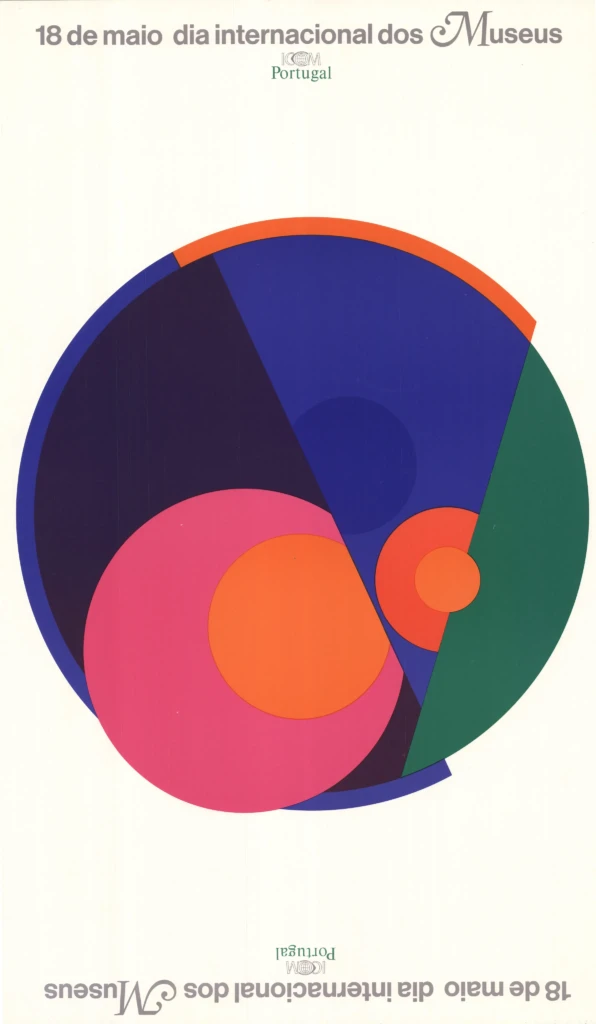
IMD over 80 years
Digital transformation in the 21st century
ICOM has long engaged with the digital transition and the transformation of information and communication technologies. As early as 1981, the organisation created its first computerised bibliographic database, demonstrating an early awareness of the potential of digital tools for documentation and knowledge sharing. In the 1990s, these questions gained further prominence, notably with the publication of an issue of Museum International entitled Museums and the Internet (1999), reflecting growing interest among museum professionals in the web as a new space for communication and access.
During this period, several digital platforms were progressively launched, including the general COM website, the International Observatory on Illicit Traffic in Cultural Goods, and standardised websites for every International or national committees and regional alliances, contributing to more structured and visible international networks.
A word on the number of ICOM members over the years.
Today, counting the number of members in an institution helps assess its evolution. ICOM is a growing organisation, as its membership graph keeps rising. However, it is interesting to note that, when the ICOM constitution was first written, membership was limited to a maximum of 15 members per National Committee. Rather than focusing on increasing the number of members in each National Committee, exceeding 15 members was explicitly forbidden. In the early 1970s, the Statutes were revised and this restriction was removed. Subsequently, the number of ICOM members worldwide grew significantly. Additionally, and by contrast, a National Committee must have at least 8 members to legally exist, according to the 2017 ICOM Statutes.
“It highlights how changes in the museum field – ethics, specialisations, global representation, were mirrored in the evolution of ICOM’s committees, working groups, and membership.“
Images gallery