Partnerships and Collaboration:
“Far across frontiers a spirit of free cooperation unites in a common effort all those whose task it is to renew and improve museum practices”
Introduction
Partnerships have been at the heart of ICOM since its founding in 1946. Through cooperation with international institutions, intergovernmental organisations, associations, and within its own network, ICOM has supported museums worldwide and encouraged the exchange of knowledge across borders.
Over eight decades, these collaborations have taken many forms: formal agreements, joint activities, workshops and training sessions, congresses and expert meetings, statements, exchanges, letters… They all reflect the complex role of museums within the cultural sector and their engagement far beyond it, connecting with other fields and networks. ICOM’s action is therefore wide-ranging, enabling museums and museum professionals to participate in both technical debates and global conversations.
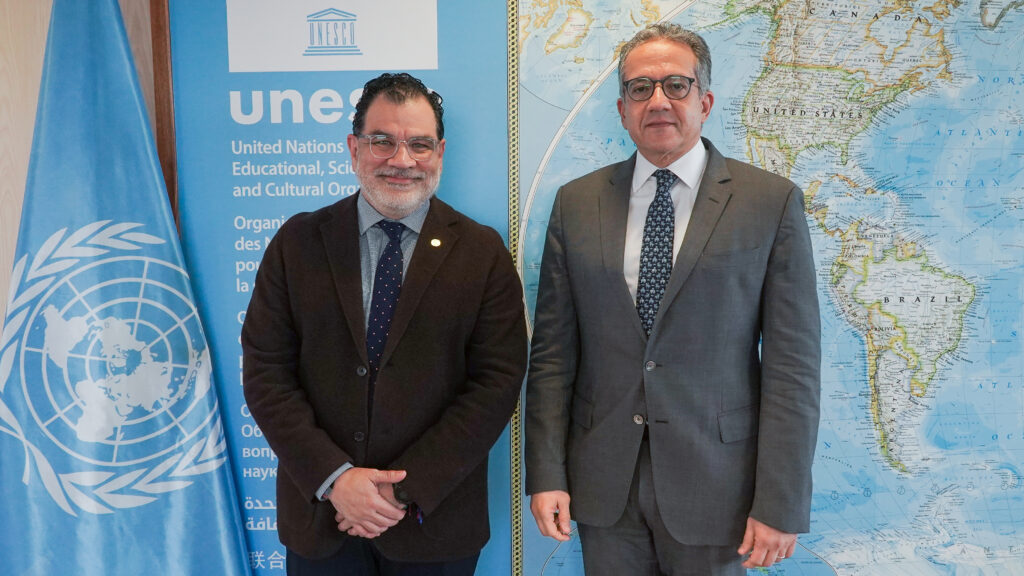
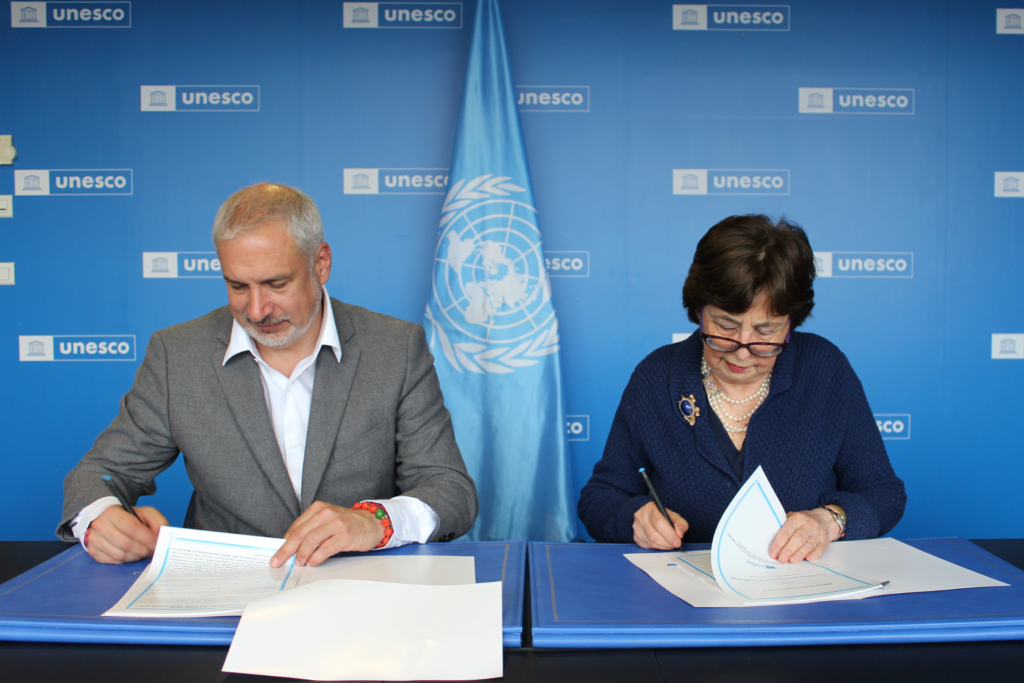
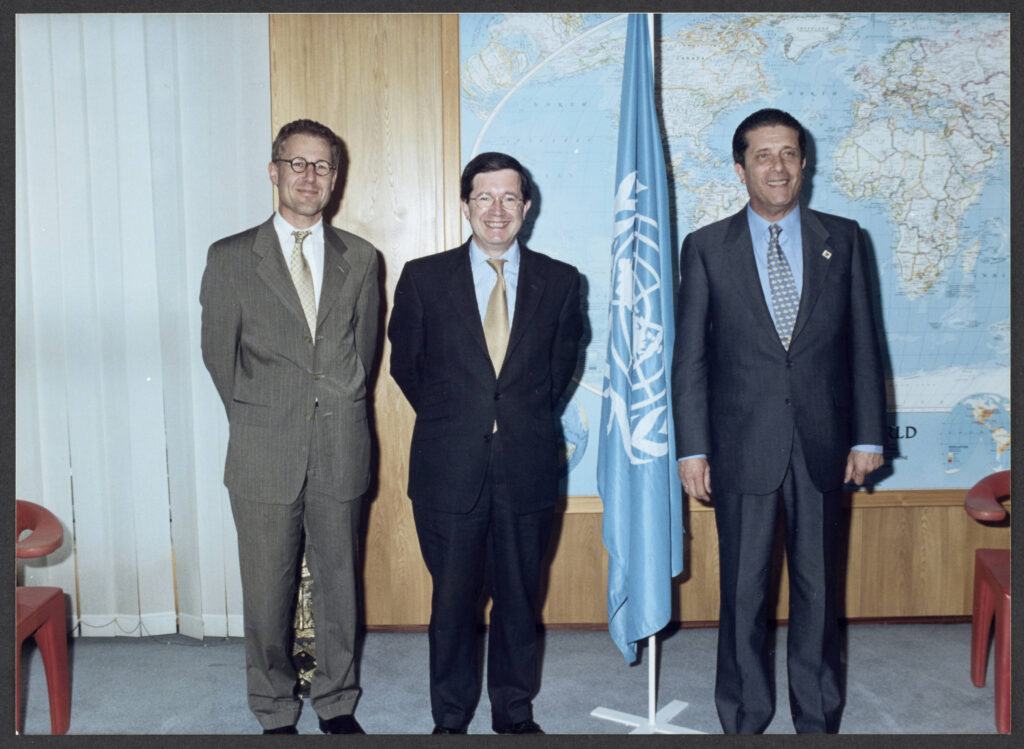
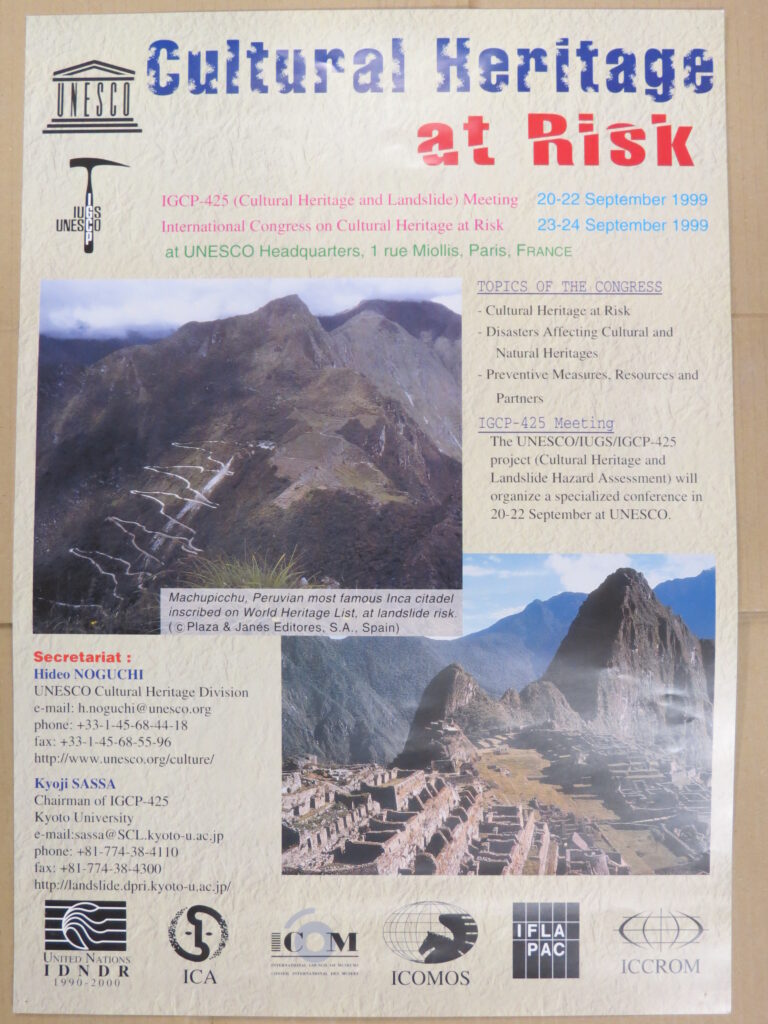
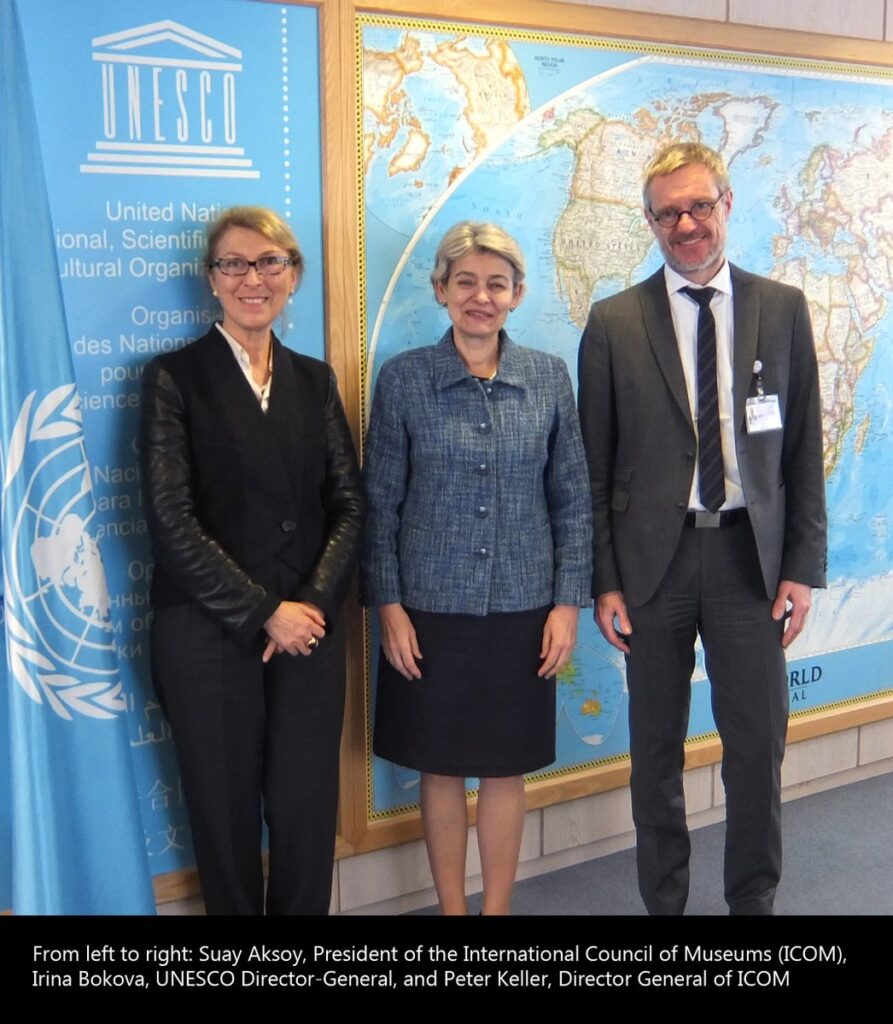
Coming together creates a diplomatic forum in which ICOM works alongside organisations such as UNESCO, ICCROM, and INTERPOL, as well as sister organisations such as ICOMOS, ICA, and IFLA, helping to advance shared cultural goals.
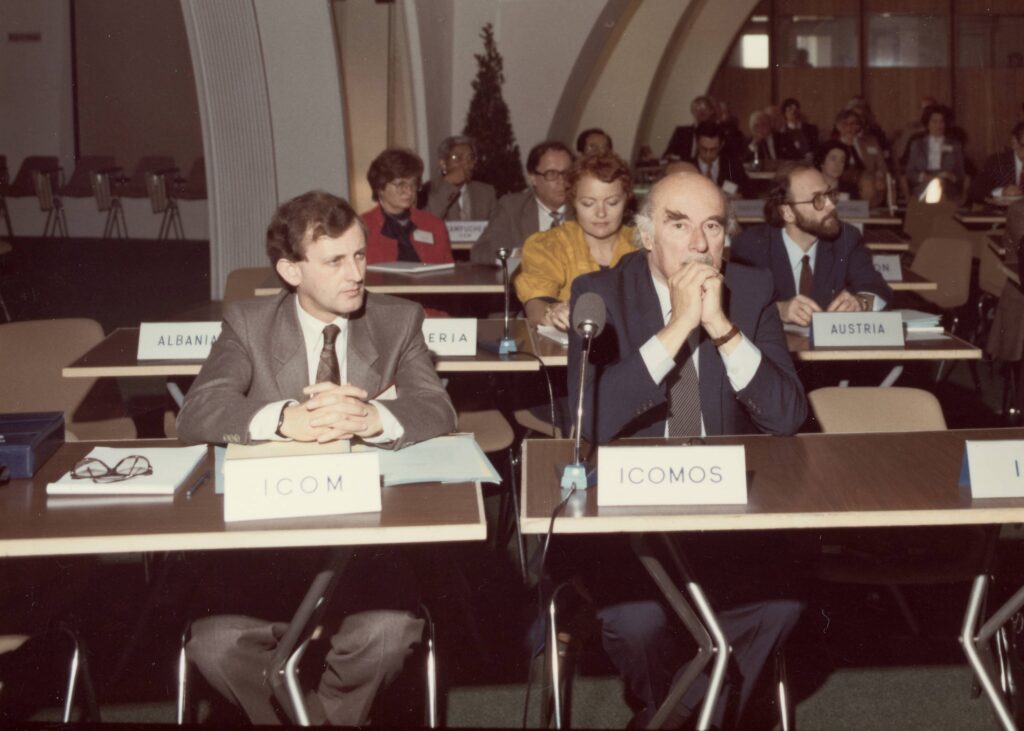
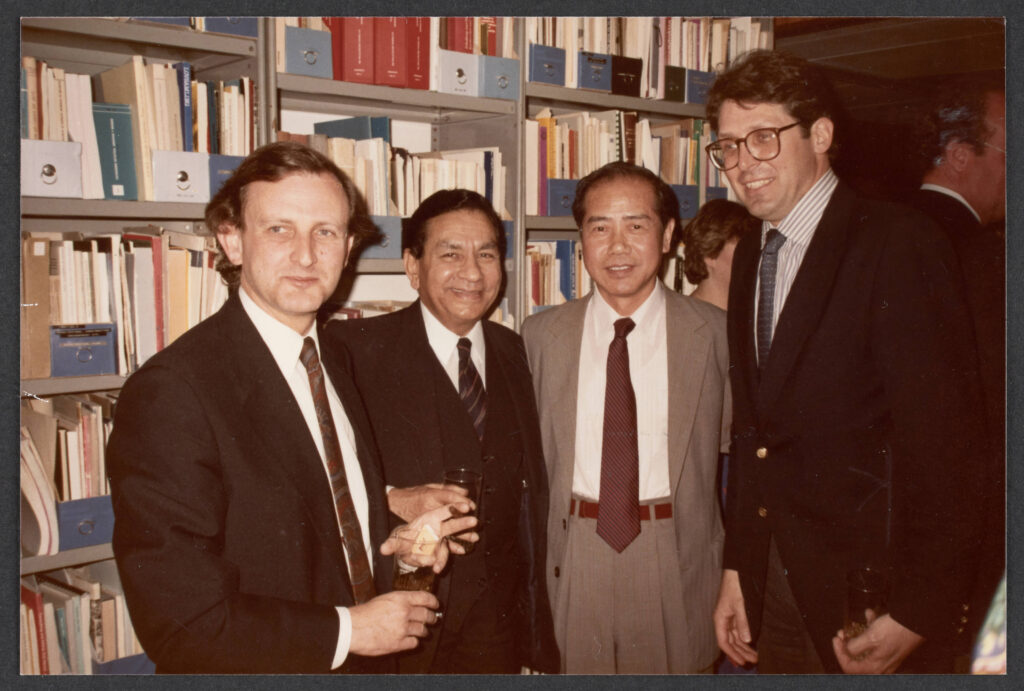
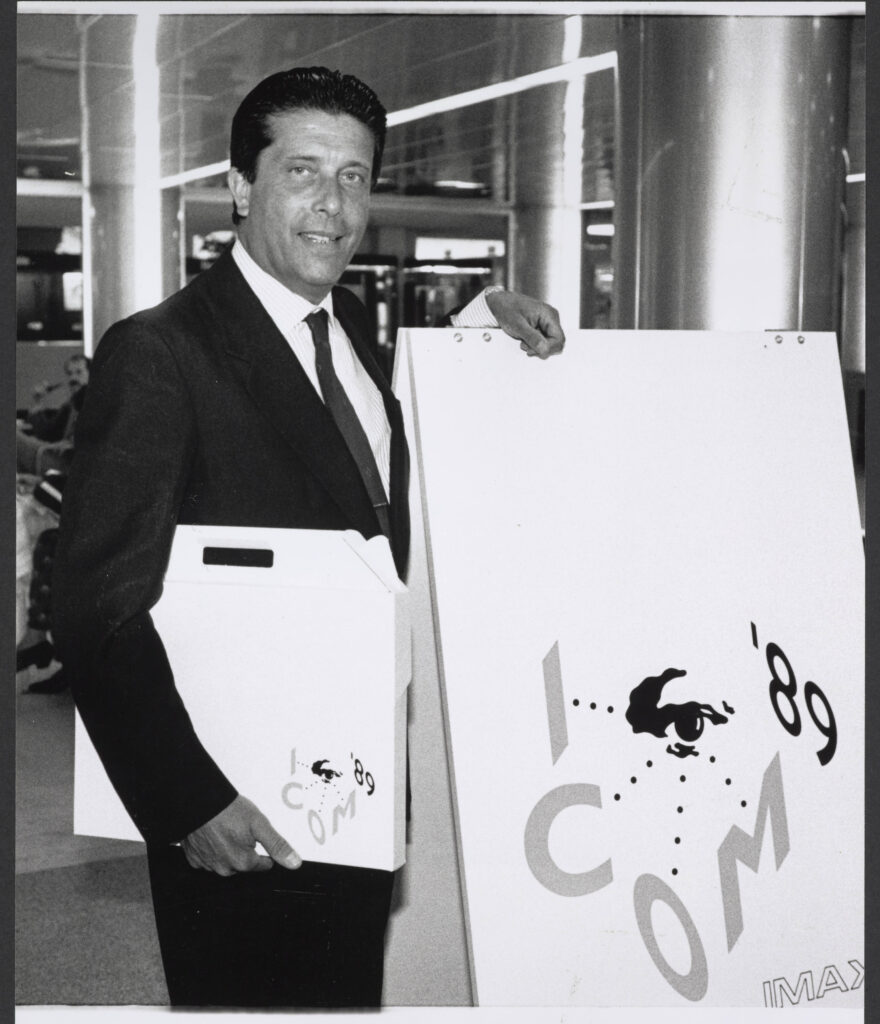
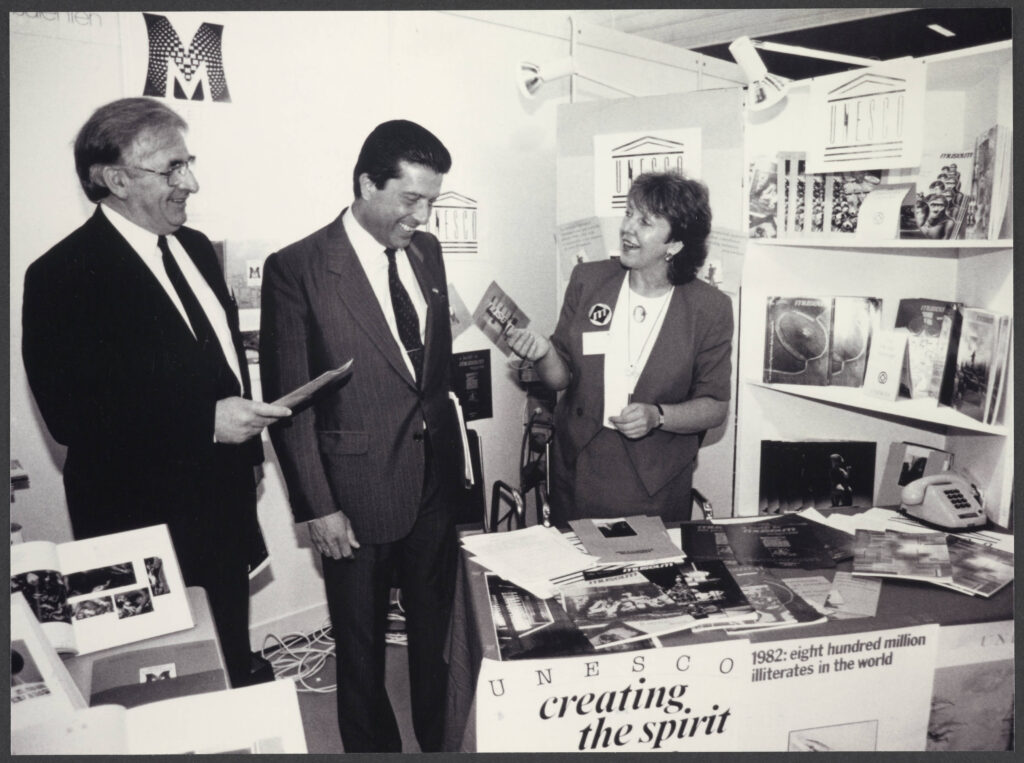
Precious archival materials document many of these partnerships through founding texts, conference documents, photographs, committee reports, interviews, and personal stories. Together, they reveal how these interactions have shaped ICOM’s development and outreach throughout its history.
Collaborations strengthen ICOM’s role
These collaborations strengthen ICOM’s role as the international voice of museums and museum professionals. Our qualified partners are key interlocutors, helping to create the right environment to share our expertise, objectives, and values. Through these exchanges, specialized museum knowledge meets cultural pluralism and interdisciplinarity, fostering shared professional and ethical standards.
In the same way, ICOM also encourages its Committees and network to advance cooperation and exchange at local, regional, national, and international levels, extending our dialogue to all those who share our common sustainable values.
ICOM expresses its gratitude to all its partners and pays tribute to the connections that have contributed to our shared achievements. We invite you to explore the second chapter of the exhibition and celebrate with us these lasting and meaningful bonds.
“For 80 years, partnerships and collaborations have strengthened ICOM’s global impact. Together in past, present and future collaborations, we advance museums and help shape a more inclusive and sustainable world.”
Interviews with ICOM’s long term partners
-
1946
-
UNESCO
United Nations Educational, Scientific and Cultural Organization
-
-
1956
-
ICCROM
International Centre for the Study of the Preservation and Restoration of Cultural Property
-
-
1957
-
INTERPOL
The International Criminal Police Organization
-
-
1965
-
ICOMOS
International Council on Monuments and Sites
-
ICOM Foundation
ICOM Foundation
-
-
1975
-
WFFM
World Federation of Friends of Museums
-
-
1996
-
ICA
International Council on Archives
-
IFLA
International Federation of Library Associations and Institutions
-
Blueshield
Blue Shield
-
-
2000
-
WCO
World Customs Organisation
-
-
2002
-
ALECSO
Arab League Educational, Cultural and Scientific Organisation
-
-
2014
-
EMF/EMYA
European Museum Forum/European Museum of the Year Award
-
-
2018
-
OECD
Organisation for Economic Co-operation and Development
-
-
2021
-
Shanghai University
Creation of ICOM International Museum Research and Exchange Centre (ICOM-IMREC)
-
National Folk Museum of Korea
-
-
2022
-
ALIPH
International Alliance for the Protection of Heritage in Conflict Areas
-
Timeline – ICOM Partnerships
Building a Shared Vision for Heritage and Museums
Since 1946, ICOM has understood that museums do not operate in isolation. The challenges facing cultural heritage, from conservation and documentation to emergency response, education, and international cooperation, require collective action. Throughout its history, ICOM has therefore cultivated long-term partnerships with organisations that share its commitment to protecting and promoting cultural heritage. These collaborations have helped shape not only the development of ICOM itself, but also the broader international heritage landscape.
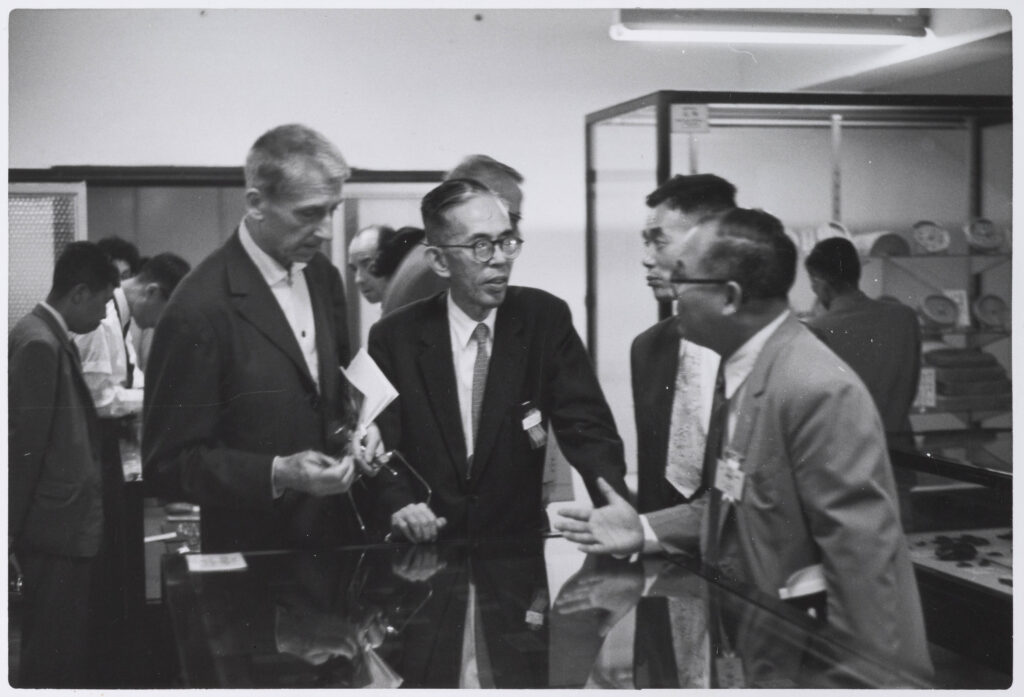
Some of these relationships date back to the very origins of the organisation. The founding meeting of ICOM took place in the Louvre in November 1946, in the days leading up to the 1st General Conference of UNESCO, and two representatives from that organisation were present, marking the beginning of a partnership that has continued for eight decades. In the years that followed, ICOM contributed to the establishment of key heritage institutions, including ICCROM and ICOMOS, helping to lay the foundations of an international network dedicated to the preservation, study, and safeguarding of cultural heritage.
The forefront of efforts in museum security
The collaboration with INTERPOL was initiated in 1957 following a motion adopted at ICOM’s 5th General Assembly held in 1956 in Switzerland. Indeed, almost 70 years before the announcement of a global joint initiative between the two organisations during ICOM Dubai 2025, ICOM was already at the forefront of efforts in museum security. Beyond museum security, the collaboration with INTERPOL has strengthened international efforts to combat the illicit trafficking of cultural property through many other efforts, projects and collaborations.
From their very beginnings, these partnerships were not mere institutional connections, but strong, active collaborations involving museum professionals and experts in cultural heritage. Together, they have developed professional standards, strengthened conservation practices, protected heritage at risk, addressed the illicit trafficking of cultural property, and supported museum professionals around the world. Whether through joint programmes, international advocacy, training initiatives, or emergency interventions, these long-standing alliances have enabled museums to respond collectively to global challenges.
The organisations presented in this section represent only a selection of the many partners that have accompanied ICOM throughout its history. Their stories illustrate how cooperation, sustained over decades and across changing contexts, has become one of the defining strengths of the global museum community. As museums continue to navigate a rapidly evolving world, these enduring partnerships remain essential in shaping the future of heritage protection, knowledge sharing, and international cultural cooperation.
Joint Projects and Global Impact
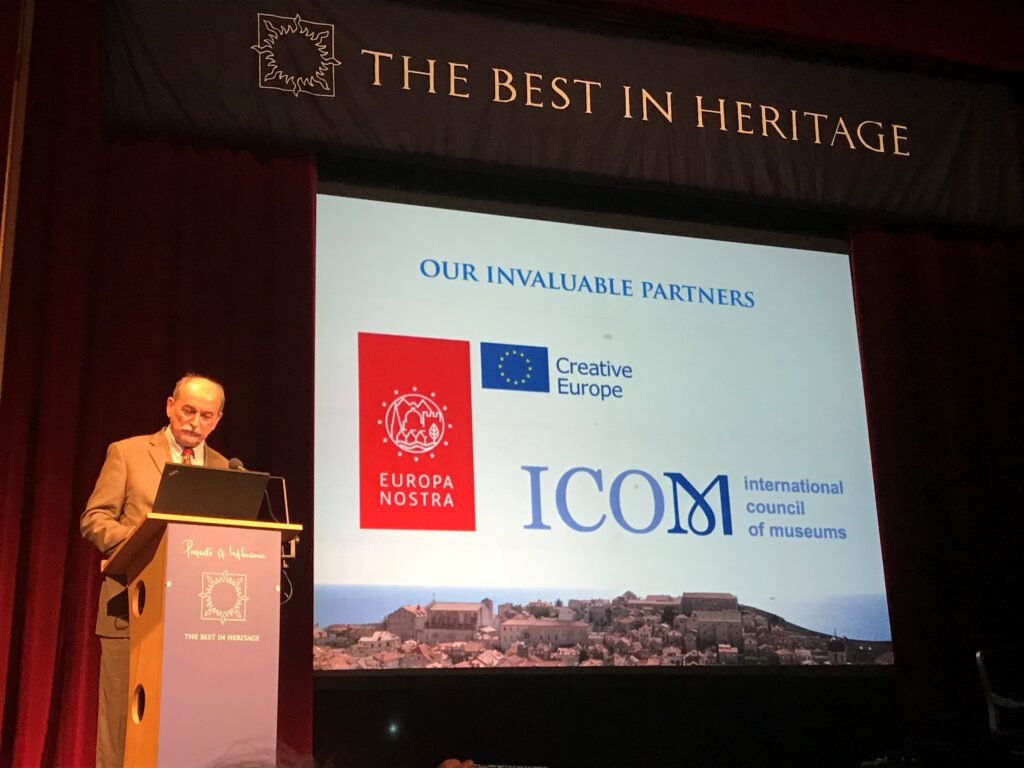
One way of appreciating the breadth of ICOM’s partnerships and their impact is through the projects and results it has achieved in the past. One such example is the International Observatory on Illicit Traffic in Cultural Goods, one of the endeavours which has put ICOM at the forefront of the fight against Illicit trafficking. It was first launched in 2013 with the financial support of the European Commission and in partnership with INTERPOL, WCO, UNODC, UNESCO and others. It was revived in 2025, again with funding from the European Commission, through the PRISM project, and with greater collaboration from the ICOM network.
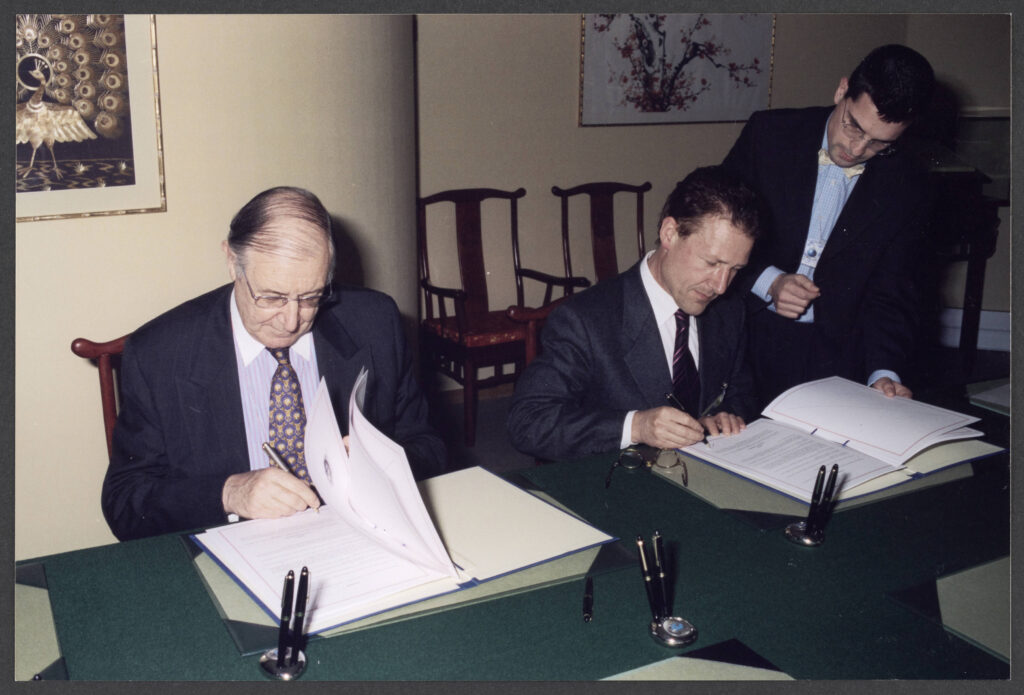
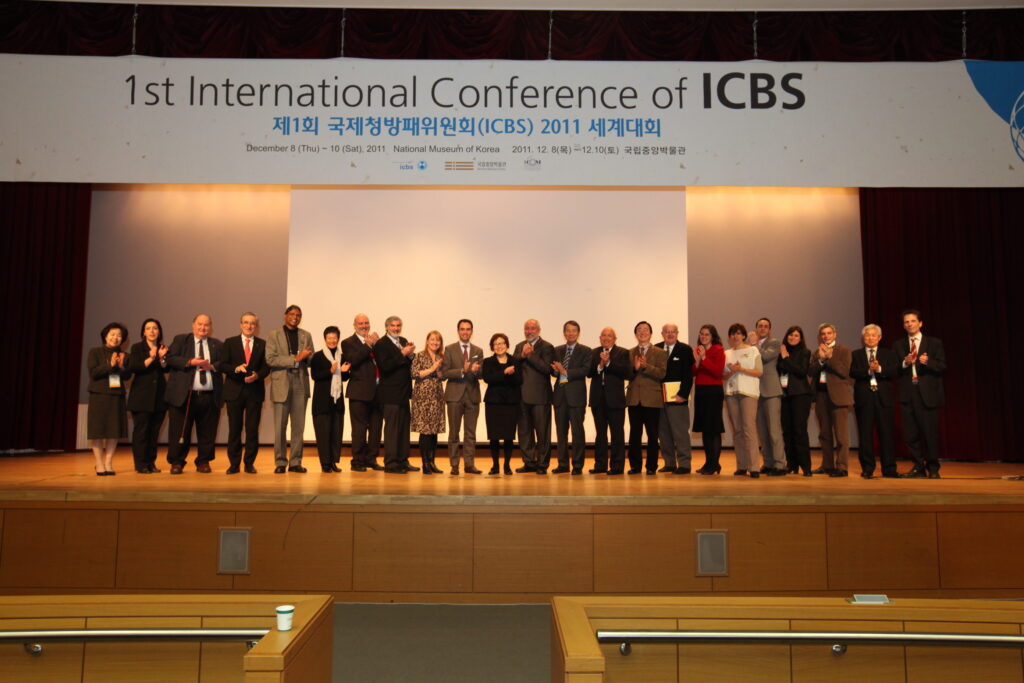
Long-standing cooperation with ICCROM, established during the organisation’s formative years (1956-1959), has supported the advancement of conservation and restoration expertise, while collaboration with INTERPOL, initiated in 1957, has also strengthened international efforts to combat the illicit trafficking of cultural property. Cooperation with WIPO, formalised in 2011, has since addressed the growing significance of intellectual property issues for museums in an increasingly digital and interconnected cultural landscape, within WIPO’s Standing Committee on Copyright and Related Rights (SCCR), alongside IFLA and ICA. Through its involvement in the creation of the International Committee of the Blue Shield (ICBS) in 1996, as well as cooperation with other heritage protection partners, ICOM has contributed to safeguarding cultural heritage threatened by conflict, natural disasters, and other emergencies.
Advancement in academic research and policy
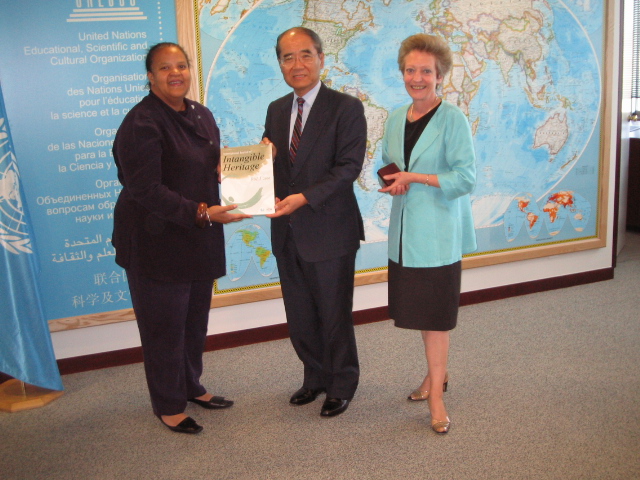
Beyond heritage protection, joint projects have advanced academic research, policy development, and professional reflection. Notably, following the 2003 UNESCO Convention for the Safeguarding of Intangible Cultural Heritage and the ICOM General Conference in Seoul in 2004 dedicated to Museums and Intangible Heritage, the National Folk Museum of Korea (NFMK) and ICOM have, since 2006, jointly published the International Journal of Intangible Heritage, now one of the most renowned journals of its kind. ICOM and NFMK have since cemented their partnership through a Memorandum of Understanding signed in 2021.
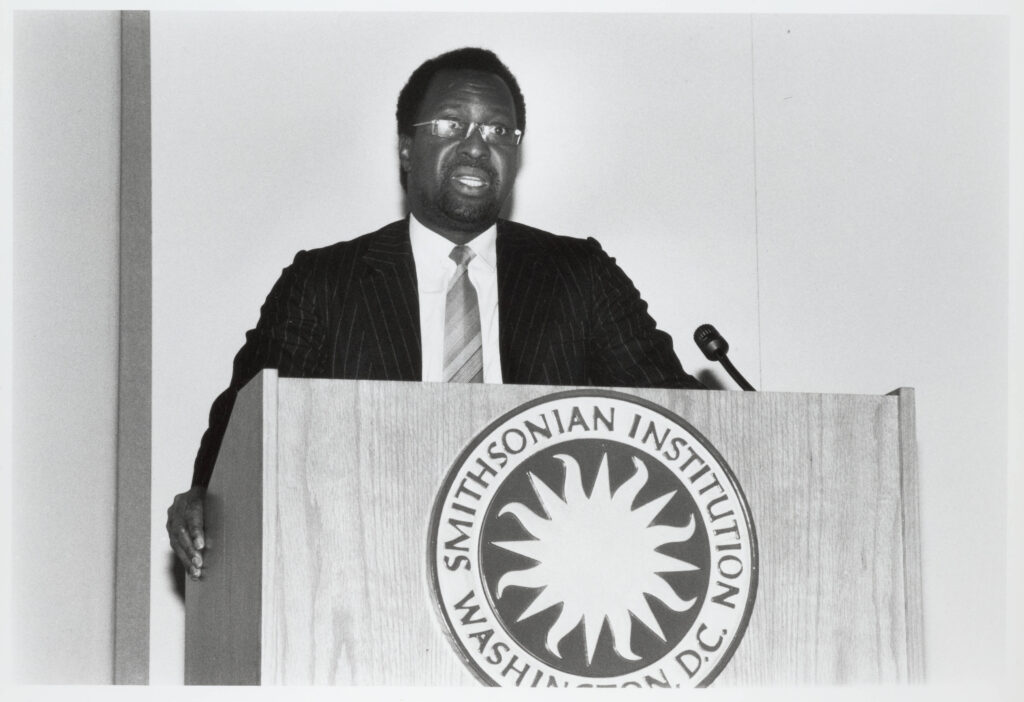
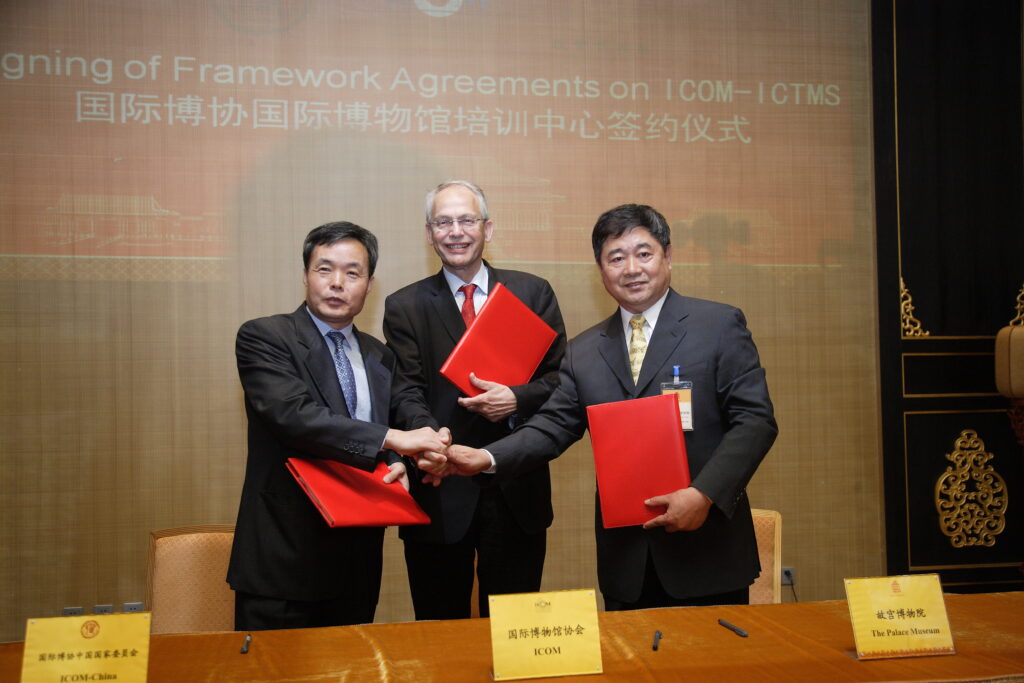
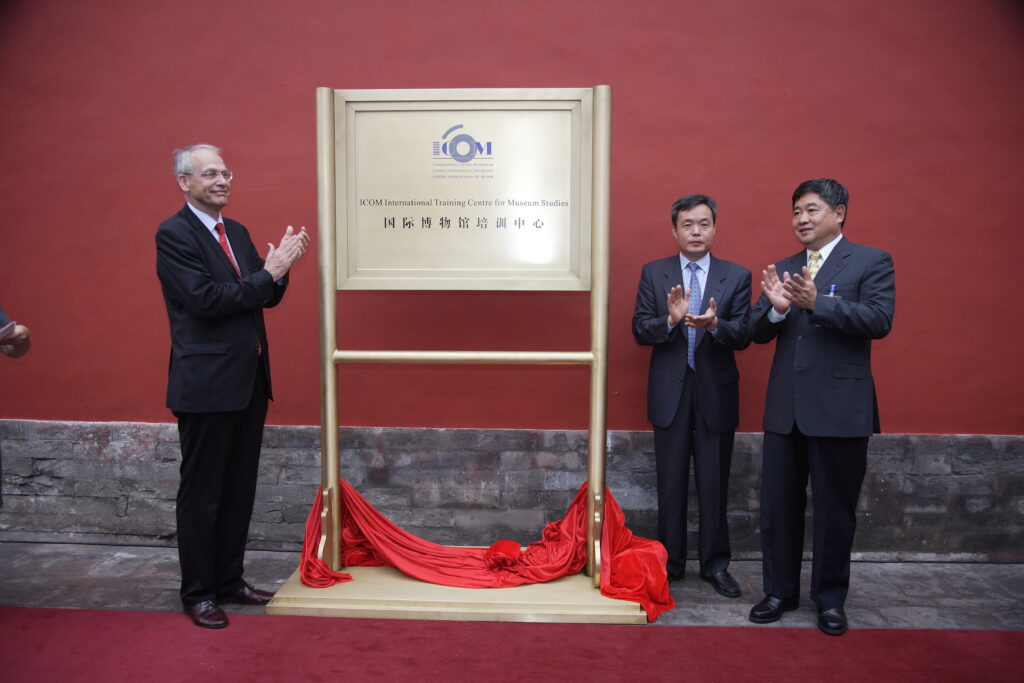
Finally, education has always remained at the forefront of ICOM’s missions, with several capacity-building programmes developed with multiple institutions including the Getty Foundation, the Smithsonian Institution, and the Palace Museum in Beijing. Notable examples include the establishment in 2013 of the I, COM-ITC (International Training Centre for Museum Studies) in Beijing, and the creation of ICOM International Museum Research and Exchange Centre (ICOM-IMREC) in 2021 in partnership with Shanghai University. These initiatives have further expanded opportunities for professional development, reinforcing museums’ ability to respond to contemporary challenges through international cooperation.
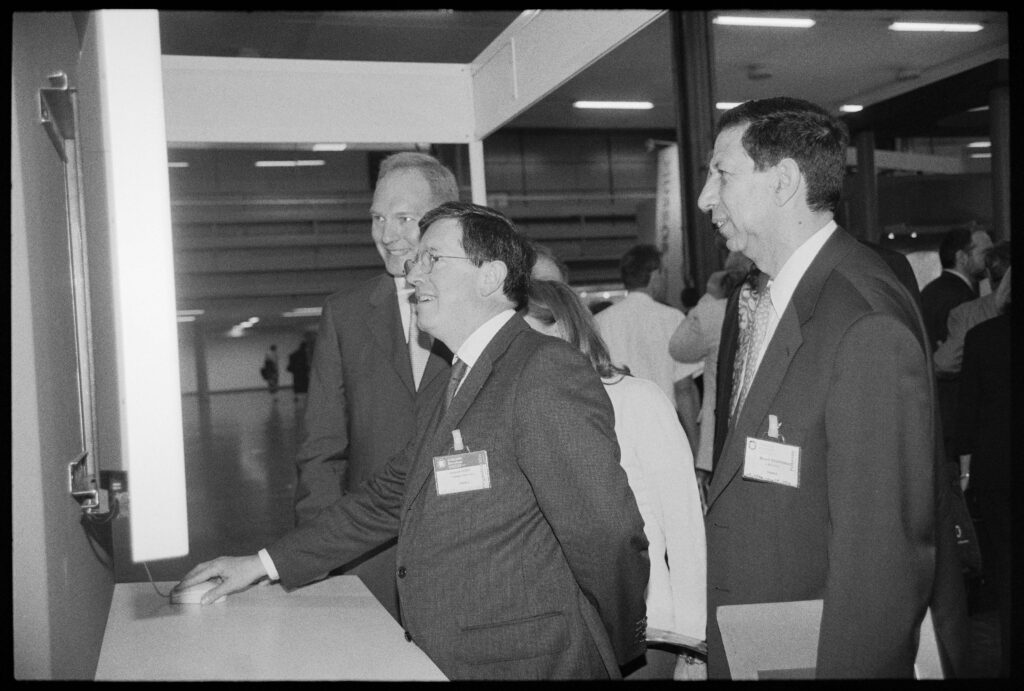
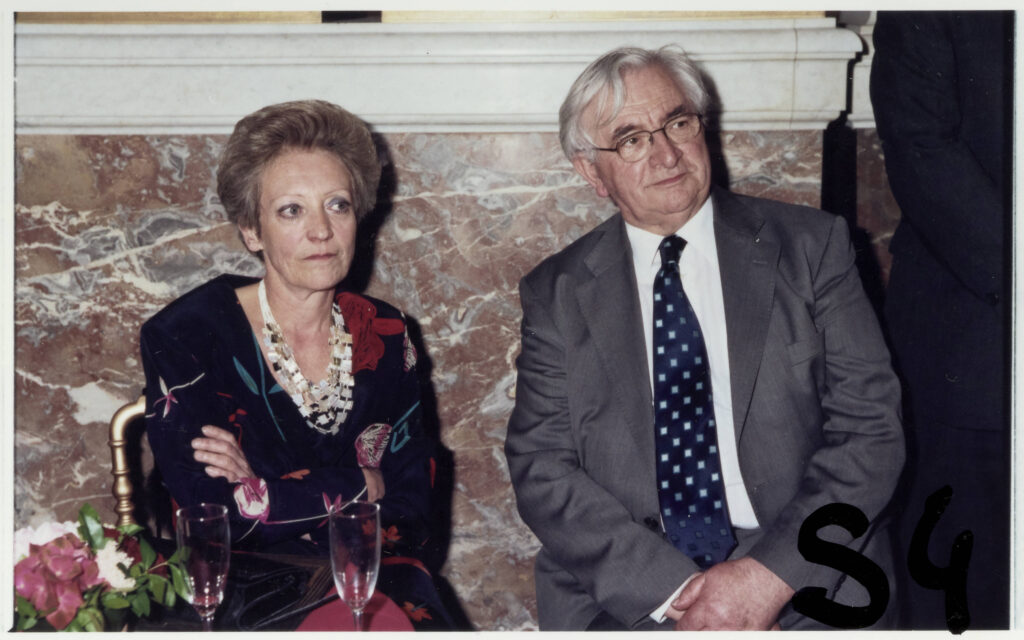
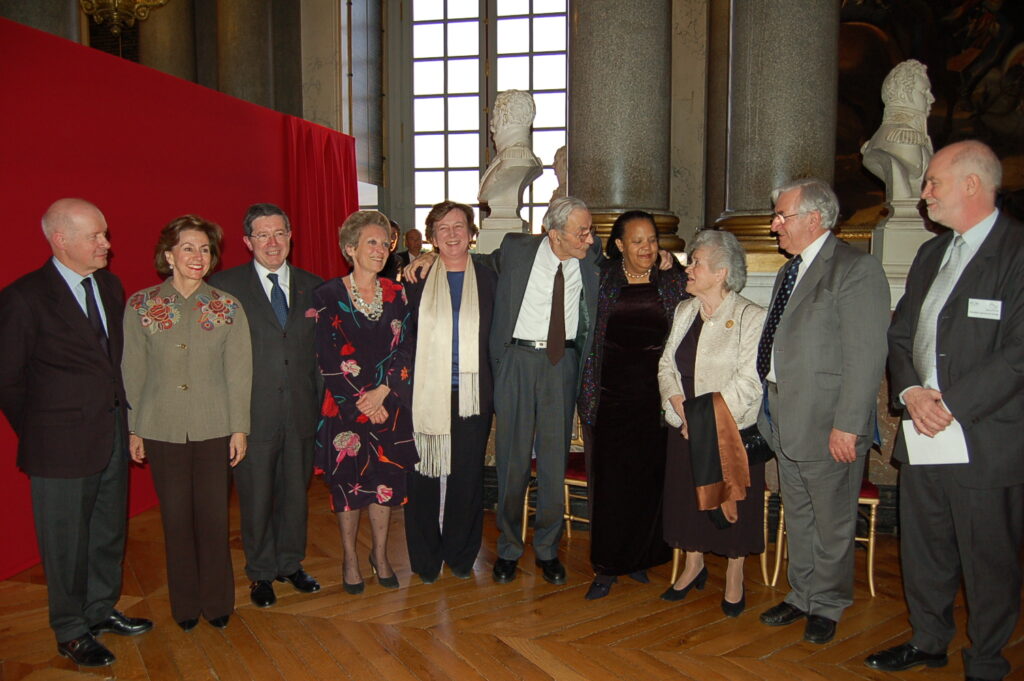
Archival Documents – Partnerships
A Network of Expertise and Professional Exchange
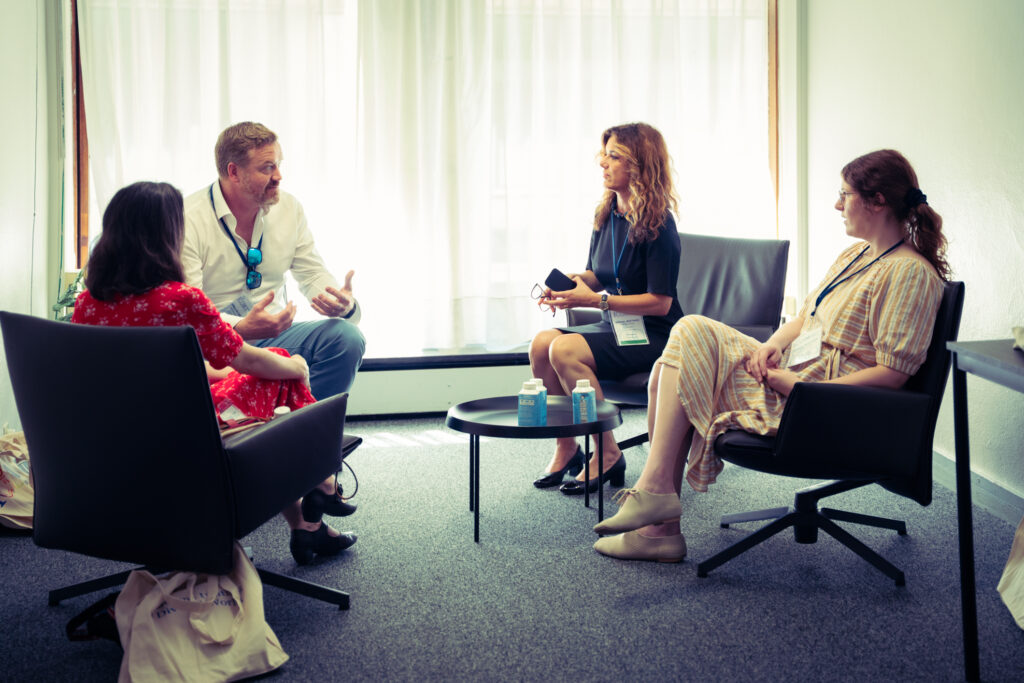
ICOM’s collaborative spirit extends across its own network. National Committees, International Committees, Regional Alliances, and Affiliated Organisations create opportunities for dialogue, expertise sharing, and collective action. Together, they strengthen ICOM’s global impact while responding to local and regional needs.
Alongside its National and International Committees, ICOM has cultivated a broad network of Affiliated Organisations that have contributed significantly to the development of museological knowledge and professional practice. In accordance with the ICOM Statutes, the Executive Board may grant affiliated status to international organisations with the purpose of serving the interests of museums or the museum profession on an international level, either thematically or regionally defined. Bringing together specialised associations, regional networks, and sector-specific bodies, ICOM has complemented and enhanced its activities through cooperation across a wide range of fields.
Reflects the growing diversification of the sector
The evolution of ICOM’s Affiliated Organisations reflects the growing diversification of the museum sector throughout the second half of the twentieth century and into the twenty-first. Similarly to ICOM’s development throughout the last 80 years, Affiliated Organisations started mainly as networks of related museums across borders. However, at the end of the 1980s, and as the social and political place of museums within their communities changed, so did the organisations affiliated with ICOM. The turn of the century also brought a new concern – geographical grouping and regional representation, with many organisations now being regional, instead of thematic, networks.
Many of these organisations maintain close relationships with ICOM’s International Committees, often operating within related areas of expertise and contributing to common objectives. In some instances, Affiliated Organisations emerged from ICOM activities and programmes, or evolved into International Committees themselves, illustrating the permeability and interconnectedness of ICOM’s professional structures.
This timeline traces the development of these relationships and highlights the diversity of organisations that have contributed to shaping an increasingly interconnected and interdisciplinary museum landscape over the last eighty years.
-
1959
-
IAMAM
International Association of Military Museums
-
-
1961
-
AMAT-MATA
Association of Tropical African Museums
-
SIBMAS
International Section for Performing Arts Libraries and Museums of the International Federation of Library Associations
-
-
1968
-
AIMA / IAAM
International Association of Agricultural Museums
-
-
1969
-
IATM
International Association of Transport and Communications Museums
-
-
1971
-
AEOM
Association of European Open-Air Museums
-
IAMIC
International association for museums and collections of musical instruments
-
-
1980
-
ICAM
International confederation of architectural museums
-
-
1982
-
ICMM
International Congress of Maritime Museums
-
-
1987
-
MINOM
International movement for a new Museology
-
-
1990
-
MAC
Museums Association of the Caribbean
-
-
1992
-
SADCCAM
Association of Museums of the Southern African Development Coordination Conference
-
-
1995
-
AMOI
Association of Indian Ocean Museums
-
-
1996
-
CAM
Commonwealth Association of Museums
-
-
1998
-
IACM
International Association of Customs/Tax Museums
-
-
1999
-
PIMA
Pacific Islands Museums Association
-
-
2003
-
IAMH
International Association of Museums of History
-
-
2004
-
AFRICOM
International Council of African Museums
-
-
2007
-
Hands on!
International Association of Children’s Museums
-
IAMFA
International Association of Museum Facility Administrators
-
-
2012
-
IACCCA
International Association of Corporate Collections of Contemporary Art
-
-
2013
-
FIHRM
Federation of International Human Rights Museums
-
-
2015
-
ASTC
Association of Science Technology Centres
-
-
2016
-
AMMM
Association of Mediterranean Maritime Museums
-
CIMAM
International Committee for Museums and Collections of Modern Art
-
ICSC
International Coalition of Sites of Conscience
-
-
2019
-
EXARC
International Organisation of Archaeological Open-Air Museums and Experimental Archaeology
-
-
2023
-
ARRE
Network of European Royal Residences
-
-
2024
-
FMAM / WFFM
World Federation of Friends of Museums
-
Timeline – Affiliated Organisations
Explore ICOM’s Digital Resources
Created in 1948, the ICOM Documentation Centre has now turned digital. The online library provides direct access to a wide range of key documentation, reference materials, and curated resources. The ICOM Members’ Area gives members exclusive access to ICOM’s digital archives, enabling them to explore its history through a diverse collection of unpublished materials, including photographs and posters.
Online library – International Council of Museums – International Council of Museums